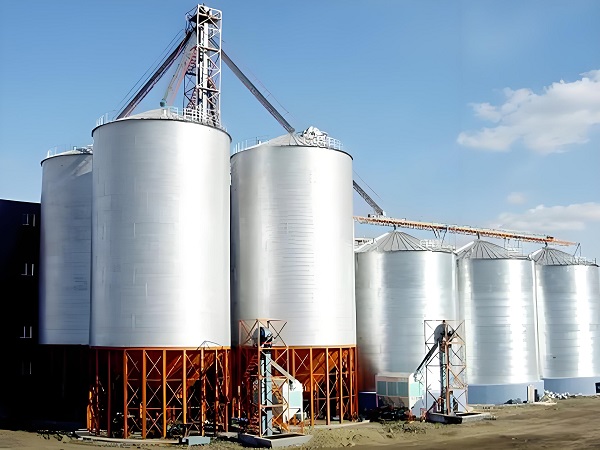
Flat Bottom Grain Silo
COBAN grain silos are designed to ensure safe storage, stable ventilation, and long-term grain preservation under different climate conditions. Each silo system can be customized based on capacity, grain type, and project requirements for optimal storage performance and reliability.
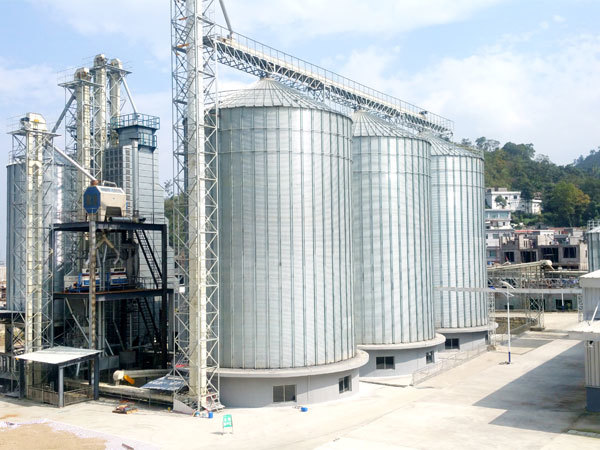
Flat Bottom Grain Silo
Silo Type:Flat Bottom Grain Storage Silo
Storage Capacity:500 Tons – 50,000 Tons
Storage Materials:Corn, Wheat, Rice, Soybean, Barley, Sorghum, and Other Bulk Grains
Unloading System:Sweep Auger, Screw Conveyor, Belt Conveyor System
Application:Grain Storage Centers, Feed Mills, Farms, Grain Processing Plants
- Customized Capacity Design
- High Strength Galvanized Steel
- ISO Certified Manufacturing
- Global Installation Support
Applications
Corn Storage
Wheat Storage
Rice Storage
Soybean Storage
Feed Storage
Commercial Grain Storage
Product Details & Technical Information
A flat bottom grain silo is a large-capacity storage facility specially designed for storing bulk grains such as corn, wheat, rice, soybean, barley, and sorghum.
Unlike small temporary storage facilities, a flat bottom grain storage silo is mainly used for long-term grain preservation in commercial grain storage centers, feed mills, agricultural cooperatives, grain terminals, and food processing plants.
With a flat floor structure, this type of silo provides maximum storage volume utilization and is especially suitable for projects requiring thousands of tons of grain storage capacity.
COBAN provides customized flat bottom grain silo solutions with complete systems including grain receiving, conveying, aeration, temperature monitoring, and unloading equipment.
What Is a Flat Bottom Grain Silo?
A flat bottom grain silo is a cylindrical grain storage structure with a horizontal bottom floor.
The grain is stored directly on the silo floor, and unloading is completed through mechanical conveying systems such as:
- Sweep augers
- Floor conveyors
- Screw conveyors
- Grain discharge systems
Compared with hopper bottom silos, flat bottom grain silos are more economical for large storage volumes because the structure uses less steel support and provides higher storage efficiency.
Why Choose Flat Bottom Grain Silo for Commercial Grain Storage?
For large grain storage projects, the main challenge is not only storing grain but also maintaining grain quality over months or even years.
A professional flat bottom grain storage silo provides:
| Feature | Benefit |
|---|---|
| Large storage volume | Suitable for thousands of tons of grain storage |
| Better cost per ton | Lower investment for large-scale projects |
| Stable grain environment | Supports long-term grain preservation |
| Efficient aeration | Helps control grain temperature and moisture |
| Flexible expansion | Additional silos can be added according to future demand |
| Multiple grain applications | Suitable for corn, wheat, rice, soybean, and other grains |
Main Applications of Flat Bottom Grain Silo
Flat bottom grain silos are widely used in industries requiring continuous grain storage.
Grain Storage Centers
Used for:
- Government grain reserves
- Commercial grain warehouses
- Grain trading companies
Large capacity and stable storage conditions make them ideal for bulk grain management.
Feed Mills
Feed factories require continuous storage of raw materials such as:
- Corn
- Wheat
- Soybean
- Barley
Flat bottom grain silos allow feed mills to maintain sufficient raw material inventory.
Rice Mills and Grain Processing Plants
For rice processing factories, flat bottom grain silos can store:
- Paddy rice
- Brown rice
- Finished grain products
The silo system can be integrated with cleaning, drying, and processing equipment.
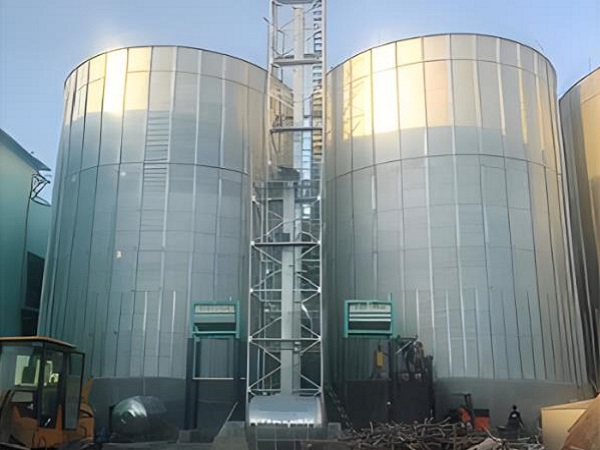
flat bottom grain silo Prices
Suitable Storage Materials
COBAN flat bottom grain silos can store different types of agricultural products.
| Grain Material | Storage Application |
|---|---|
| Corn / Maize | Feed production and grain trading |
| Wheat | Flour mills and grain reserves |
| Paddy Rice | Rice processing plants |
| Soybean | Oil processing and feed industries |
| Barley | Brewing and feed applications |
| Sorghum | Animal feed and food processing |
| Sunflower Seeds | Oil production storage |
Flat Bottom Grain Silo vs Hopper Bottom Grain Silo
Choosing the correct silo type depends on storage capacity and operating requirements.
| Comparison | Flat Bottom Grain Silo | Hopper Bottom Grain Silo |
|---|---|---|
| Main purpose | Long-term bulk grain storage | Frequent grain turnover |
| Capacity | Medium to very large capacity | Small to medium capacity |
| Storage cost | Lower cost per ton | Higher cost per ton |
| Grain unloading | Mechanical unloading system | Gravity discharge |
| Best application | Grain terminals, large farms, feed mills | Seed storage, small grain storage |
| Storage period | Long-term storage | Short-term or frequent use |
Recommended Selection:
Choose Flat Bottom Grain Silo if you need:
- More than 1,000 tons storage capacity
- Long-term grain storage
- Lower storage cost
- Commercial grain management
Choose Hopper Bottom Grain Silo if you need:
- Fast unloading
- Small capacity storage
- Frequent grain replacement
How Does a Flat Bottom Grain Silo Work?
A complete grain storage process usually includes:
Grain Receiving
       ↓
Cleaning
       ↓
Drying (if required)
       ↓
Bucket Elevator
       ↓
Grain Distributor
       ↓
Flat Bottom Grain Silo
       ↓
Aeration & Monitoring
       ↓
Unloading System
The silo itself is only one part of the complete grain storage system.
A professional design connects all equipment to achieve smooth grain flow.
Structure of Flat Bottom Grain Silo
Silo Wall
The silo body is constructed with galvanized corrugated steel sheets.
The corrugated design improves:
- Structural strength
- Grain pressure resistance
- Service life
Flat Bottom Floor
The flat floor supports the stored grain weight.
It can be equipped with:
- Aeration channels
- Unloading conveyors
- Sweep augers
This structure allows maximum storage capacity utilization.
Roof System
The roof protects stored grain from:
- Rain
- Sunlight
- Dust
- External contamination
Optional roof components include:
- Inspection manhole
- Safety railing
- Roof platform
- Ventilation openings
Aeration System
Aeration is an important part of flat bottom grain silo operation.
It helps:
- Reduce grain temperature
- Remove excess moisture
- Prevent mold growth
- Improve storage stability
Grain Temperature Monitoring System
For large grain silos, temperature monitoring is highly recommended.
The system can detect:
- Hot spots
- Abnormal temperature increase
- Potential grain spoilage risks
This allows operators to take preventive action before grain quality is affected.
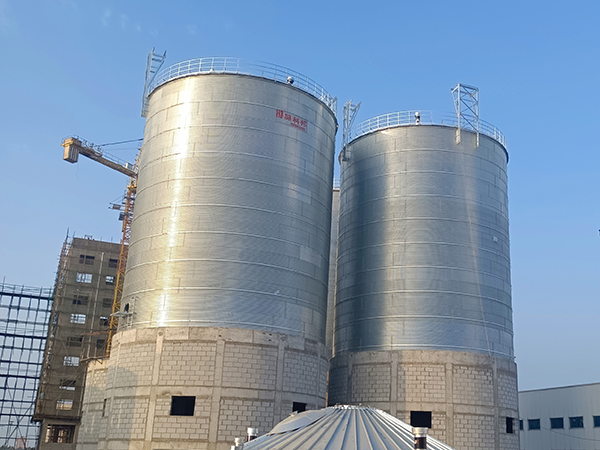
flat bottom grain silo Sales
Flat Bottom Grain Silo Capacity Selection
The required silo capacity depends on:
- Annual grain production
- Storage period
- Daily consumption
- Harvest season
- Future expansion plans
Common capacities include:
| Application | Recommended Capacity |
|---|---|
| Small agricultural storage | 100T – 500T |
| Farm and cooperative storage | 500T – 2000T |
| Feed mill raw material storage | 1000T – 5000T |
| Commercial grain storage center | 5000T – 50000T |
COBAN Flat Bottom Grain Silo Technical Parameters
The following specifications are calculated based on grain density of approximately 0.75 t/m³. Actual storage capacity may vary depending on grain type and density.
| Capacity | Diameter | Total Height | Volume |
|---|---|---|---|
| 1000 Ton | 10.084 m | 18.69 m | 1335 m³ |
| 2000 Ton | 13.750 m | 20.87 m | 2701 m³ |
| 3000 Ton | 15.584 m | 24.78 m | 4145 m³ |
| 5000 Ton | 18.334 m | 28.60 m | 6693 m³ |
| 10000 Ton | 25.668 m | 30.60 m | 13484 m³ |
COBAN can customize silo dimensions according to different grain types, project conditions, and customer requirements.
Flat Bottom Grain Silo Layout Design
A good layout improves operation efficiency and reduces future expansion costs.
Important design factors include:
- Truck unloading area
- Grain cleaning position
- Dryer location
- Conveyor route
- Silo spacing
- Maintenance access
- Future expansion area
Typical layout:
Receiving Pit
      ↓
Cleaner
      ↓
Dryer
      ↓
Bucket Elevator
      ↓
Distributor
      ↓
Flat Bottom Grain Silos
      ↓
Loading System
Grain Unloading System for Flat Bottom Silo
Because the bottom is flat, grain cannot discharge completely by gravity.
A mechanical unloading system is required.
Common unloading equipment includes:
| Equipment | Function |
|---|---|
| Sweep Auger | Collect remaining grain near silo wall |
| Screw Conveyor | Transport grain from silo |
| Chain Conveyor | High-capacity grain movement |
| Belt Conveyor | Long-distance transportation |
The unloading system should be selected according to silo diameter and required discharge speed.
Flat Bottom Grain Silo Cost Factors
Customers often search for flat bottom grain silo price, but the final cost depends on the complete project configuration.
Main factors include:
| Factor | Impact |
|---|---|
| Storage capacity | Larger silos require more materials |
| Grain type | Different grain densities affect design |
| Steel thickness | Influences structural strength |
| Aeration system | Affects storage performance |
| Monitoring system | Influences automation level |
| Conveying equipment | Determines project efficiency |
| Installation location | Affects transportation cost |
COBAN provides customized quotations based on actual project requirements.
Why Choose COBAN Flat Bottom Grain Silo?
Professional Grain Storage Experience
COBAN specializes in grain storage equipment and complete grain handling solutions.
Customized Engineering Design
Each project is designed according to:
- Climate conditions
- Grain characteristics
- Storage capacity
- Customer operation requirements
Complete Project Support
COBAN provides:
- Silo manufacturing
- Equipment integration
- Installation drawings
- Technical guidance
- After-sales service
Global Grain Storage Projects
COBAN grain storage solutions have been supplied to:
- Africa
- Southeast Asia
- Middle East
- South America
Applications include:
- Corn storage projects
- Rice storage centers
- Feed mill storage systems
- Commercial grain warehouses
FAQ About Flat Bottom Grain Silo
What is a flat bottom grain silo used for?
It is mainly used for large-scale storage of corn, wheat, rice, soybean, and other bulk grains.
Is a flat bottom silo suitable for long-term storage?
Yes. With proper aeration and monitoring systems, flat bottom grain silos are suitable for long-term grain storage.
How much grain can a flat bottom silo store?
The capacity can range from hundreds to tens of thousands of tons depending on silo size and project requirements.
What equipment is needed with a flat bottom grain silo?
A complete system may include conveyors, elevators, distributors, aeration fans, temperature monitoring systems, and unloading equipment.
Get Your Flat Bottom Grain Storage Solution from COBAN
A reliable grain storage system requires more than a silo. It requires professional design, suitable equipment, and long-term operational support.
As an experienced flat bottom grain silo manufacturer and supplier, COBAN provides customized grain storage solutions for farms, grain companies, feed mills, and industrial customers worldwide.
Request A Quote
Tell us your capacity, grain type, and project location. We will design a turnkey solution for you.