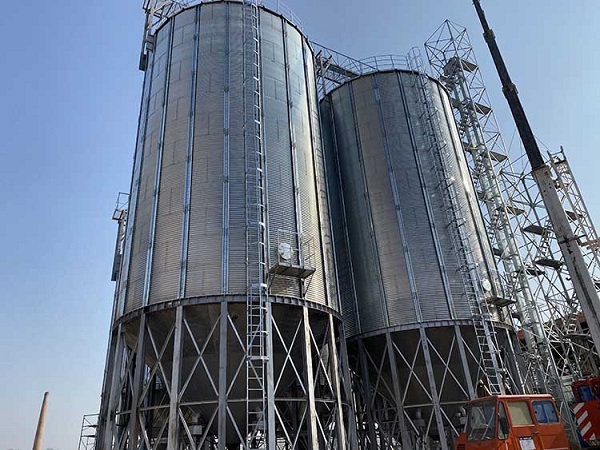
Sunflower Seed Silo
COBAN grain silos are designed to ensure safe storage, stable ventilation, and long-term grain preservation under different climate conditions. Each silo system can be customized based on capacity, grain type, and project requirements for optimal storage performance and reliability.
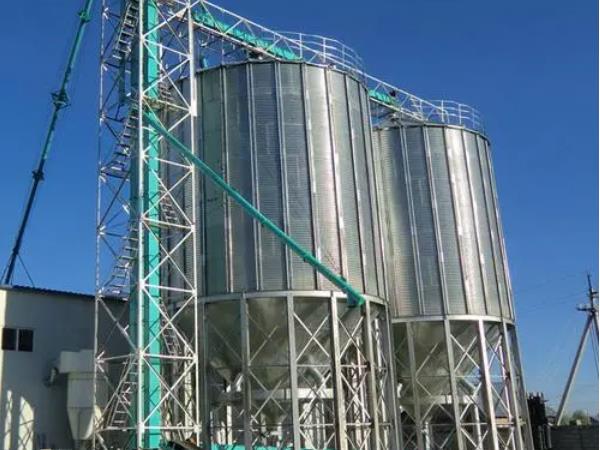
Sunflower Seed Silo
Sunflower seed silo are cylindrical storage facilities specifically designed for the storage of sunflower seeds.
- Customized Capacity Design
- High Strength Galvanized Steel
- ISO Certified Manufacturing
- Global Installation Support
Applications
Corn Storage
Wheat Storage
Rice Storage
Soybean Storage
Feed Storage
Commercial Grain Storage
Product Details & Technical Information
Sunflower seed silo are cylindrical storage facilities specifically designed for the storage of sunflower seeds. They play a crucial role in the production, processing, and distribution stages of the sunflower seed supply chain and are an integral part of grain storage and processing facilities.
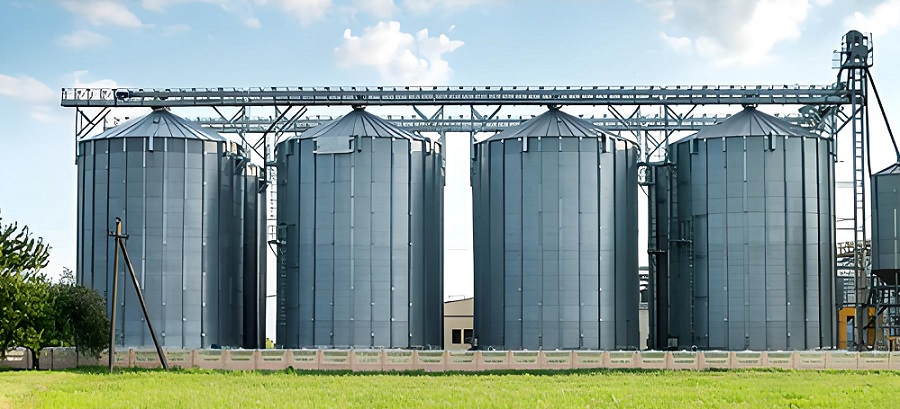
Sunflower seed silo features
Storage Capacity
Sunflower seed silos are typically designed with ample storage capacity, allowing for the containment of large volumes of sunflower seeds to satisfy processing and market demands.
Structural Design
These silos are commonly built using metals such as galvanized steel, concrete, or composite materials, ensuring structural strength while preventing moisture and oxidation of the sunflower seeds.
Temperature and Humidity Control
Given the high oil content in sunflower seeds, they are sensitive to the storage environment’s temperature and humidity levels. Silos may be equipped with ventilation systems, insulation layers, and temperature and humidity monitoring devices to maintain optimal storage conditions, preventing the seeds from oxidizing and becoming rancid due to high temperatures or from oil solidification due to low temperatures.
Loading and Unloading Systems
Sunflower seed silos often come with advanced loading and unloading systems, such as automated feeding and discharging mechanisms, which allow for precise control over the inflow and outflow of seeds, thereby increasing work efficiency.
Intelligent Management
Modern sunflower seed silos may integrate intelligent control and data acquisition systems, ensuring a storage process that is efficient, cost-effective, with minimal loss and labor intensity.
Safety Alerts
The silo system is equipped with proactive alert and alarm capabilities, allowing for different turnover cycles based on varying moisture levels and providing timely notifications to management personnel for safe storage of the seeds.
Environmental Adaptability
The design and material selection of sunflower seed silos take into account durability and safety, enabling them to withstand natural disasters and adverse weather conditions, safeguarding the seeds from damage.
Multifunctionality
Beyond the basic storage function, sunflower seed silos may also offer additional features such as turnover, distribution, and dust removal, enhancing the flexibility and efficiency of the storage process.
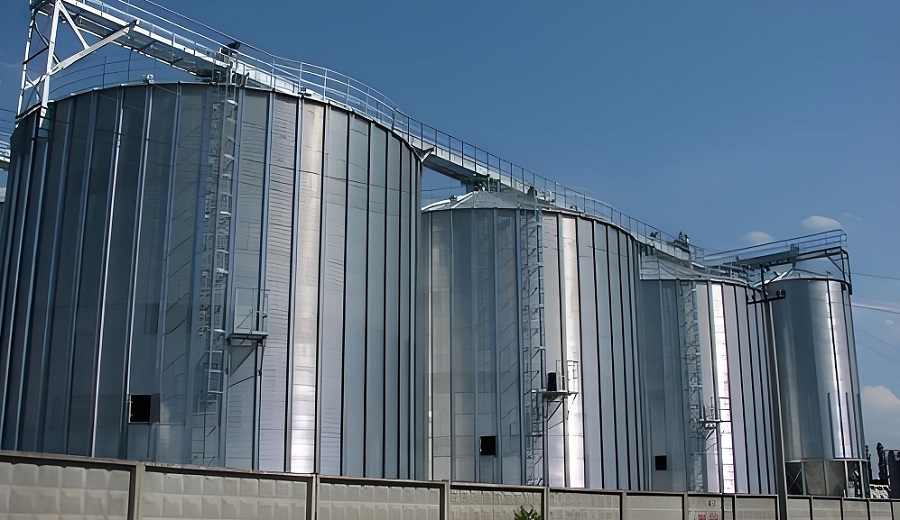
Sunflower seed silo structure
Silo Body
This is the main structural component, typically made from durable materials such as galvanized steel or concrete, forming a cylindrical shape to contain and protect the stored sunflower seeds.
Base
The base of the silo, which may be conical or flat, is designed to facilitate the smooth discharge of sunflower seeds and prevent blockages during the unloading process.
Roof or Top Structure
The top of the silo may include a cover or cap that seals the silo, protecting the sunflower seeds from external environmental factors.
Inlet and Outlet Systems
These systems include the inlet for loading sunflower seeds into the silo and the outlet for discharging seeds from the silo, along with the necessary conveying equipment.
Ventilation System
To regulate the temperature and humidity inside the silo, a ventilation system with ducts and fans is usually installed to ensure that the sunflower seeds are stored in suitable conditions.
Climate Control System
To maintain the quality of the sunflower seeds, the silo may be equipped with monitoring and regulation devices for temperature and humidity, such as heaters, coolers, and dehumidifiers.
Monitoring and Control System
Modern sunflower seed silos may include sensors and automated control systems for monitoring the environment inside the silo and making necessary adjustments.
Safety Features
The silo is equipped with safety features such as fire protection systems, lightning protection, and emergency exits to ensure the safety of the structure.
Auxiliary Structures
Features like ladders, platforms, and railings are included to facilitate routine inspections, maintenance, and cleaning by operators.

Advantages of Sunflower Seed Silo
High-Efficiency Storage Capacity
The compact structure of silos allows for high space utilization, enabling the storage of large quantities of sunflower seeds in a smaller footprint. This is particularly suitable for areas with limited land resources or where large-scale centralized storage is required.
Moisture and Corrosion Resistance
The silo’s excellent sealing performance effectively prevents external moisture from entering, avoiding the risk of sunflower seeds becoming damp and moldy. The interior walls may be treated with anti-rust and anti-oil adsorption coatings to prevent quality degradation when seeds come into contact with the silo walls.
Pest and Rodent Protection
The silo’s tight structure, combined with protective measures such as insect screens and seals, effectively prevents pests and rodents from entering, ensuring that sunflower seeds are protected from infestations.
Temperature and Humidity Control
Silos may be equipped with ventilation systems, insulation layers, and temperature and humidity monitoring devices, allowing for the regulation of the internal environment according to the storage requirements of sunflower seeds. This helps maintain suitable temperatures and humidity levels, preventing oxidation due to high temperatures or oil solidification due to low temperatures, thereby extending the shelf life of the seeds.
Minimized Quality Loss
The gentle and uniform unloading methods used in silos, such as pneumatic conveying or screw conveying, reduce the breakage and frictional heat generation during the discharge process, helping to preserve the integrity and oil quality of sunflower seeds.
Precision Inventory Management
Silo are often equipped with advanced measuring devices and management systems that monitor the quantity of sunflower seeds entering and leaving the storage, as well as the remaining stock, facilitating precise inventory control and timely adjustments to procurement and sales strategies.
Automation and Intelligence
Modern sunflower seed silo may integrate automated loading and unloading systems, remote monitoring technology, and IoT devices, achieving automated operations, remote control, and data collection and analysis, enhancing storage efficiency, reducing manual intervention, and lowering operational costs.
Environmental Protection and Energy Saving
The robust structure of silos ensures a long service life, and through optimized design and the use of energy-saving equipment, such as energy-efficient ventilation systems and low-energy consumption conveying devices, energy consumption is reduced, aligning with the requirements of sustainable development.
Application scope of Sunflower Seed Silo
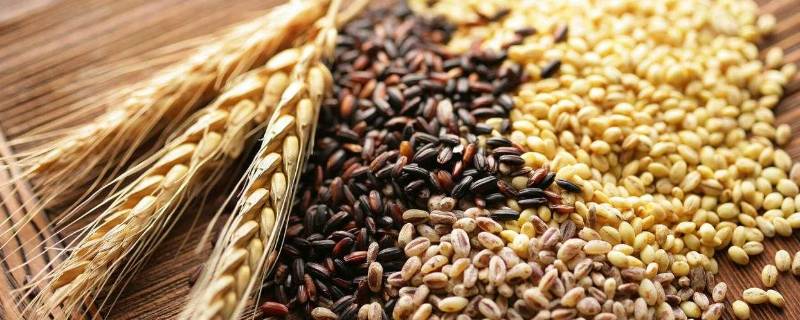
Coban Silo is widely used for grains storage such as wheat, corn, soybean, paddy, rice, soybean meal, barley, malt, sunflower seeds, rapeseeds, peanuts, flour, and other powder materials, oat, special Silo, and seeds, etc.
Sunflower Seed Silo technical parameters
Scientifically speaking, the Silo capacity should be measured with volume (m3). Even in the same grain Silo, the storage tons will be different for different grains with different densities. The following table is calculated based on a Silo density of 0.75kg/m3, and surely HKB customizes Silo systems unique for you.
Request A Quote
Tell us your capacity, grain type, and project location. We will design a turnkey solution for you.