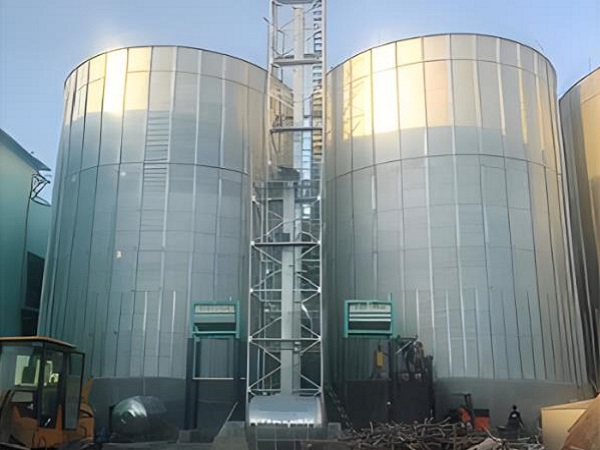
Introduction to steel silo and their application in grain storage
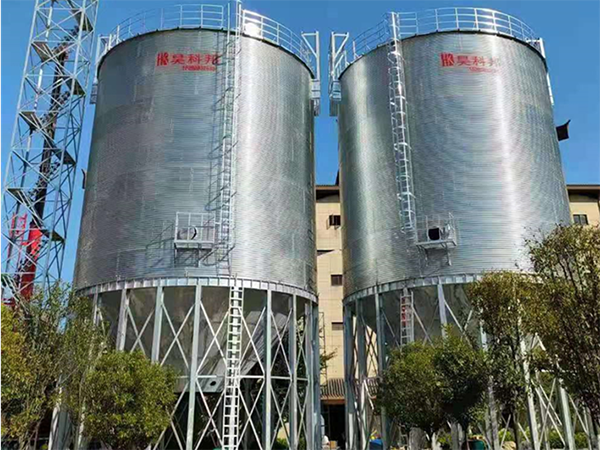
Steel silo are large cylindrical grain storage equipment assembled by bolting or welding high-strength galvanized corrugated steel plates. Its capacity can be flexibly designed according to demand, and it is mainly used to store major grain varieties such as corn, wheat, rice, and soybeans. Compared with traditional storage methods, steel silos have the advantages of short construction period, small footprint, and stable structure. They are widely used in grain processing plants, grain depots, transit ports, and agricultural production bases.

Special requirements for storage environment of rice storage
The moisture content of rice is high at the beginning of harvest. If it is not dried in time or the storage conditions are not properly controlled, it is very easy to cause mildew, insect pests and abnormal temperature rise in the warehouse. To ensure storage safety, the warehouse structure should have good sealing performance, and be equipped with ventilation facilities, temperature and humidity monitoring system and efficient material feeding and discharging operation system to ensure that the grain storage process is stable and controllable.
In this context, steel silos, with their high sealing performance, integrated automation system and easy cleaning and maintenance structure, just meet the various needs of rice storage.
Core advantages of steel silos for rice storage
Excellent sealing performance to ensure stable rice quality
The steel silo adopts bolt connection + sealing strip or welding sealing technology, and the silo has good airtightness, which can effectively isolate the invasion of external air and moisture, inhibit the growth of mold and insects, extend the storage period of rice, and reduce food loss.
Automated control system to achieve precise grain management
Modern steel silos can integrate temperature and humidity sensors, ventilation control, circulation fumigation, automatic material measurement and other systems. Through real-time monitoring and data analysis of the rice storage environment, operators can remotely adjust ventilation and scientifically control grain temperature and humidity to prevent rice from “sweating” or local heating and mold.
Large-capacity design to meet the needs of large-scale grain storage
The capacity of a single steel silo can range from tens of tons to tens of thousands of tons, meeting the needs of large-scale centralized storage of rice. Its highly structured vertical storage method effectively saves land resources and is suitable for building an efficient storage system in a limited space.
Short construction period and convenient installation and maintenance
Compared with traditional brick-concrete structure warehouses, steel silos use factory prefabricated parts for on-site assembly, and the construction period is usually shortened to dozens of days, which effectively speeds up the production progress. At the same time, the steel plate material is easy to clean and maintain on a daily basis, which helps to keep the warehouse clean and reduce the risk of deterioration of grain quality.
Cost control and significant economic benefits
Although the initial investment of steel silos is relatively high, they are highly economical from the overall operation perspective due to their strong durability, long service life (usually more than 25 years), low maintenance cost, reduced grain storage losses and manpower savings brought by intelligence.
How to use steel silos to store rice
Choose the type of steel silos suitable for rice storage
When storing rice, steel silos with good sealing and ventilation systems should be preferred. Common models include assembled bolt steel silos and welded steel silos, both of which have the advantages of stable structure, moisture-proof and insect-proof, and are suitable for long-term grain storage.
Control the moisture content of rice entering the warehouse
Rice needs to be dried before entering the warehouse to ensure that the moisture content is controlled at 13% to 14%. High moisture content will cause the temperature and humidity in the warehouse to rise, increase the risk of mildew and fever, and is not conducive to the safe use of steel silos.
Environmental management in steel silo
Steel silos are generally equipped with temperature and humidity monitoring systems and mechanical ventilation devices to dynamically control the environment in the silo and achieve targeted ventilation adjustment to ensure that the silo remains dry. In order to ensure the effect of grain storage, it is necessary to conduct regular sealing tests and internal cleaning to reduce the possibility of water vapor retention and pest invasion, and further improve storage safety.
Future trends: Green and intelligent steel silo promote modernization of grain storage
With the advancement of green agriculture and smart grain storage construction, steel silos will continue to develop in the direction of environmental protection, high intelligence and high integration. The use of new steel plate materials can further enhance corrosion resistance; and the combination of AI algorithms and cloud computing will enable steel silos to achieve intelligent prediction of grain conditions, remote early warning and automatic control, greatly improving the safety and efficiency of rice storage.
Conclusion
From the perspective of practical application, the advantages of steel silos in rice storage are becoming increasingly prominent. Its excellent sealing performance, moisture resistance and temperature control conditions can effectively ensure the quality of rice and reduce storage risks. At the same time, the performance of steel silos in management automation and space utilization also helps to improve overall operational efficiency and reduce labor and maintenance costs. For grain processing companies and large growers, building steel silos is not only a hardware investment, but also an important means to promote grain reserve security and the modernization of storage systems. With the continuous optimization of related technologies, the role of steel silos in rice storage and transportation and the entire grain industry chain will continue to increase.