The Real Challenges of Rice Storage
In agricultural production, the storage of rice after harvest is a key link. Traditional stacking or simple storage methods often lead to mold, quality reduction and even loss due to improper humidity control, insufficient ventilation or pest infestation, resulting in rice mildew, reduced quality and even loss. With the continuous expansion of the scale of modern agriculture, how to ensure that rice can maintain stable quality for a long time after harvest has become a common concern for grain processing enterprises and large farms. Against this background, rice silo emerged and became a more efficient and safer way to store grain.
Structural Advantages of Rice Silo
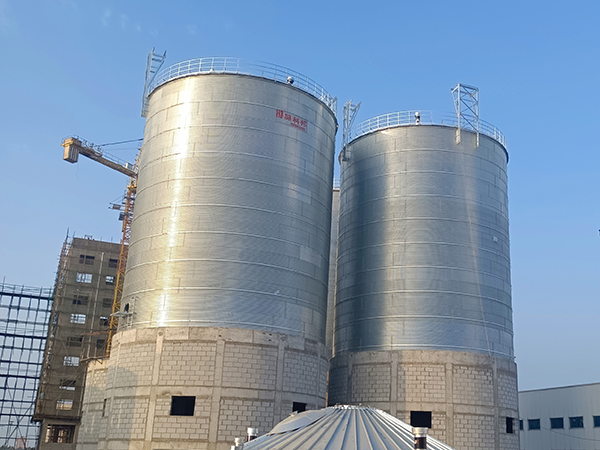
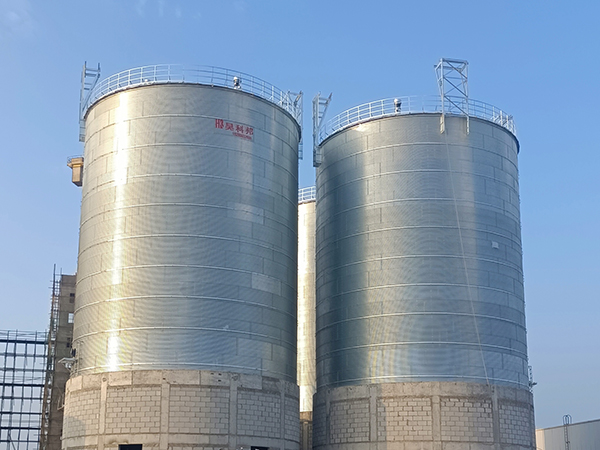
Rice silos are usually built with galvanized steel plates or high-strength steel, with good sealing and a strong structure. Compared with traditional warehouses, silos have higher space utilization and relatively small footprint, but they can achieve large-scale storage. This vertical design not only facilitates mechanized loading and unloading, but also reduces quality losses caused by uneven pressure during grain stacking. For agricultural enterprises that want to improve grain storage efficiency, rice silos are undoubtedly a scientific and reliable choice.
Precise Control of Moisture and Temperature
The quality of rice is closely related to the moisture and the temperature of the storage environment. Modern rice silo are usually equipped with ventilation systems, temperature measurement cables and automatic monitoring devices, which can track and control the grain pile conditions in the warehouse in real time. When the moisture content of rice is high, the system can reduce humidity through forced ventilation and reduce mildew and heat risks; in hot seasons, the appropriate temperature can be maintained with the help of a control system to ensure the stability of the storage environment. This precise management method is difficult to achieve in traditional grain storage methods.

Reducing Losses and Ensuring Grain Quality
The ultimate goal of grain storage is to preserve and increase its value. Using rice silo effectively reduces pests, rodents, and mold, reducing grain losses. For grain processors and traders, this not only reduces financial losses but also ensures that rice maintains a plump appearance and a high yield upon shipment. In the long run, the use of rice silos is directly related to the overall profitability and competitiveness of the grain industry chain.
Easy Management and Modern Operations
Rice silo combined with an automated control system can realize remote monitoring and centralized management. Whether it is grain entering the warehouse, storing, or out-of-warehouse, the operation process is highly mechanized, reducing labor costs. For enterprises that require large-scale storage, this modern warehousing method not only improves management efficiency, but also reduces the risks caused by manual operational errors. With the development of digital agriculture, rice silos have become an important part of smart food management.
Why Choose Rice Silo?
From grain storage security, economic benefits to management efficiency, rice silo have shown advantages that are incomparable to traditional storage methods in many aspects. For agricultural enterprises that pursue high-quality grain storage and reduce operating costs, investing in the construction of rice silos is not only a means to improve competitiveness, but also an inevitable trend to adapt to the development of modern agriculture.