I have been engaged in the production and sales of stainless steel silo for 7 years. Based on actual engineering projects and industry applications, under normal design and usage conditions, the service life of stainless steel silos is usually around 15 to 20 years. If the usage environment is good and maintenance is proper, the service life of some silos will be even longer. Of course, the specific number of years is not a fixed figure but is influenced by multiple factors together. When compared to other structures, this lifespan offers a competitive return on investment. You can see how this stacks up in our Steel vs. Concrete Silo comparison to help determine the best long-term value for your facility.

The Impact of Design and Materials on Service Life
How long a stainless steel silo can be used primarily depends on whether its design is reasonable. The properties of different materials vary greatly. Some have high density, some have poor fluidity, and some have certain corrosiveness. If these factors are not fully considered during the design stage, the silo is prone to problems such as excessive local force, deformation or accelerated wear during long-term operation, thereby affecting the overall service life.
In terms of materials, stainless steel itself is an important foundation for extending the service life of equipment. Common stainless steel silos are mostly made of 304 or 316 stainless steel. Among them, 304 stainless steel is suitable for most ordinary materials, while 316 stainless steel is more outstanding in corrosion resistance and is more suitable for use in chemical, food or high-humidity environments. Compared with ordinary carbon steel structures, stainless steel is less prone to rust during long-term use and has a more stable surface condition. This is also one of the main reasons why its service life is generally longer.
In addition, the manufacturing process should not be overlooked either. Whether the welding quality is reliable and whether the structural processing is standardized will directly affect the overall strength and safety of the silo. High-quality welding and strict factory inspection can effectively reduce potential risks during later operation.
The Actual Impact of the Usage Environment on the Lifespan of the silo
The environmental conditions in which stainless steel silo are located have a very practical impact on their service life. In an environment with high temperature, high humidity and many corrosive media, the external pressure that equipment bears is greater. Even if it is made of stainless steel, the aging speed will accelerate. For instance, the high salt content in the air of coastal areas or the presence of corrosive gases in chemical enterprises can have long-term impacts on the surface of silos and weld seams.
In places with dry environment, good ventilation, and few corrosion factors, stainless steel silos are more stable to use and their lifespan is easier to reach or even exceed the design life. Therefore, before starting the project, it is important to choose the right stainless steel material and protection plan based on the actual use environment.
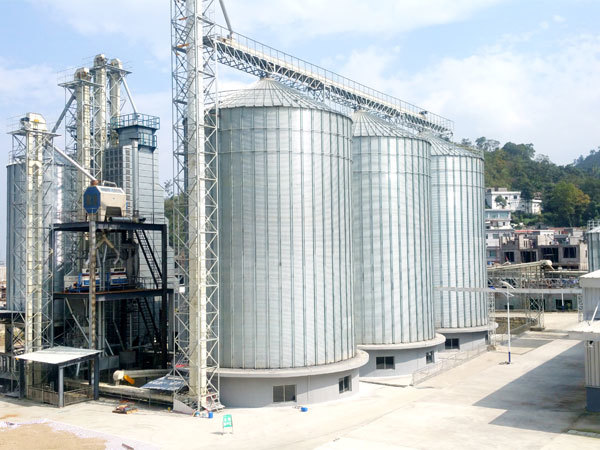
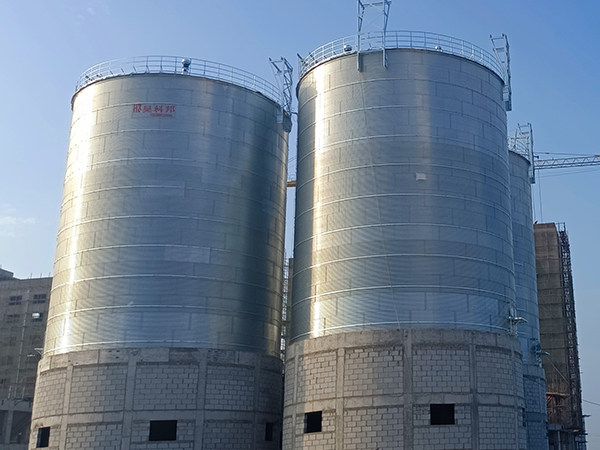
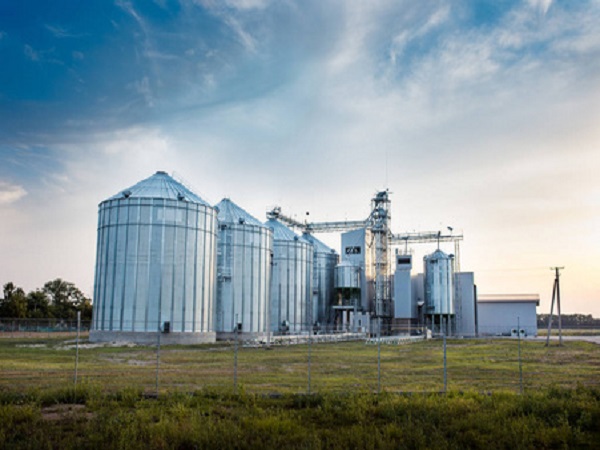
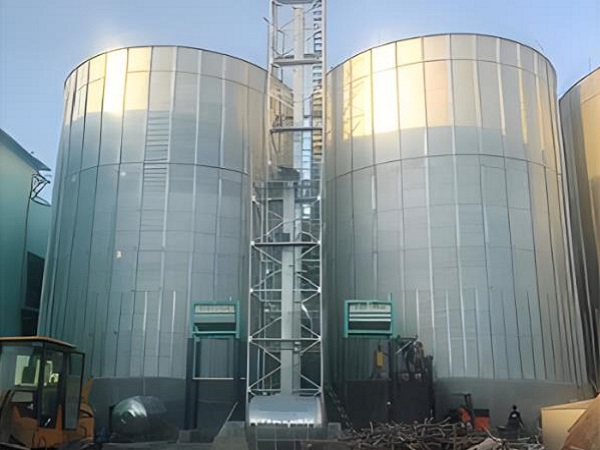
 Four sets of grain steel silo projects in the Philippines
daily use and maintenance are equally crucial
One point that many users tend to overlook is that although stainless steel silo are durable, it doesn’t mean they can be “completely ignored”. Standardized usage methods and regular maintenance play a significant role in extending the service life of equipment.
During daily operation, the appearance condition of the silo, the condition of the welds and whether there are any abnormalities in the supporting structure should be inspected regularly. Early detection and timely handling of problems often can prevent greater maintenance costs in the later stage. At the same time, keeping the interior of the silo clean to prevent long-term accumulation or caking of materials not only facilitates smooth discharge but also reduces wear and tear on the inner walls of the silo.
In addition, it is also very important to control the loading volume reasonably. Long-term overloading operation or frequent shock will accelerate structural fatigue, thereby shortening the actual service life of the silo.
Summary
Taken together, it is common for stainless steel silo to be used stably for 15 to 20 years under normal working conditions. Through reasonable design selection, suitable stainless steel materials, good usage environment and standardized maintenance and management, the silo can operate safely for a long time.
For farm users, choosing a silo supplier with rich experience and strict manufacturing standards not only ensures equipment quality but also helps to reduce maintenance costs throughout the entire service life and achieve a higher return on investment.
The HKB prefabricated steel plate silo produced by Henan Kebang Machinery Equipment Co., Ltd. is equipped with Handan Iron and Steel’s galvanized steel plate silo, wireless digital temperature measurement system, raw material cleaning and dust removal system, ventilation system and other storage system equipment. Based on our own advantages, our company has strengthened the strength of the cylinder and used all hot-dip galvanized raw materials to process the cylinder and the steel structures such as the frame and treway, which has improved the product quality and exceeded the 25-year service life stipulated by the national design standards. It can achieve zero maintenance within the normal service life. With the wide acclaim from both new and old customers, we warmly welcome all new and old customers to visit our company for inspection and purchase!