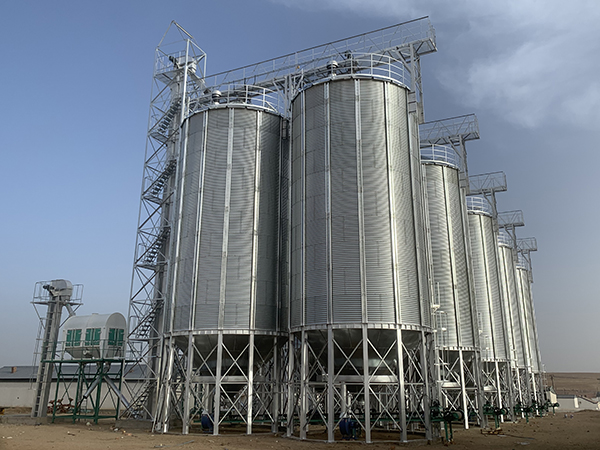
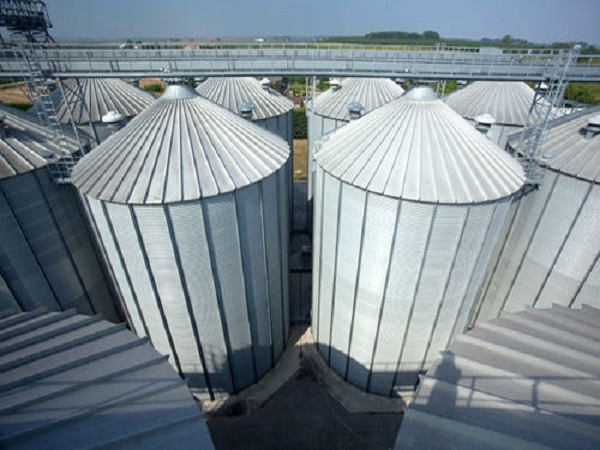
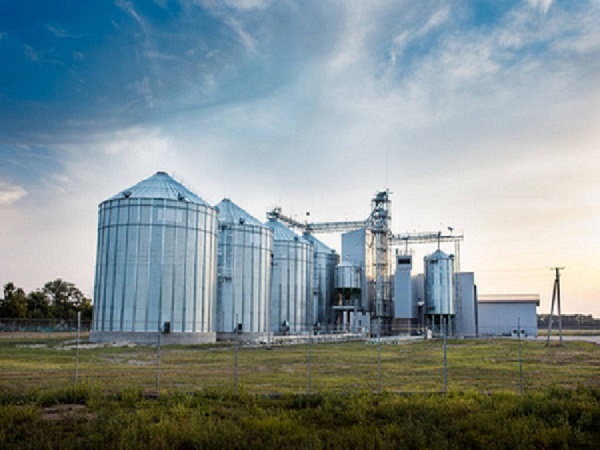
Why does Uganda need grain silo?
Uganda mainly grows grain crops such as corn, sorghum and soybeans, and its annual output has steadily increased. However, traditional grain storage methods often lead to mold and rodent damage during the rainy season, resulting in serious losses. The promotion of grain silo has significantly improved storage conditions, not only extending the storage time of grain, but also improving circulation efficiency and food security.
With the fluctuation of international grain prices and the active local grain trading market, more and more medium and large farmers and grain processing companies have begun to invest in the construction of grain silo systems that meet international standards.
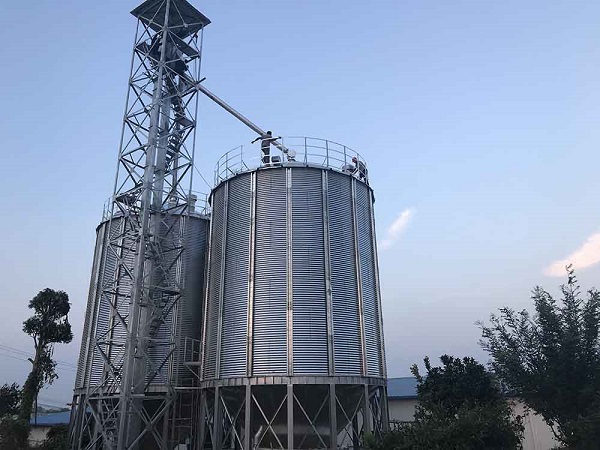
Where can I buy grain silos in Uganda?
Kampala Industrial and Business Park, Namanve
This is one of the largest industrial parks in Uganda, gathering many agricultural equipment dealers and engineering companies. Some local metal structure manufacturers in Uganda, such as Roofings Group and Steel & Tube Industries Ltd, have begun to engage in silo manufacturing or agency business. They can customize grain silo of different capacities and materials according to customer requirements.
Advantages: convenient communication, fast response to after-sales service, and low transportation costs
Disadvantages: some companies have low technical standards and low degree of automation
Agricultural machinery specialty market: Kisenyi & Katwe area
Located in the center of Kampala, Kisenyi and Katwe are traditional distribution centers for machinery and equipment trading. There are a large number of shops selling agricultural equipment, including grain dryers, screening machines, conveyor belts, etc., and some small suppliers provide imported grain silo products or second-hand silos.
Suggestion: When purchasing, you should ask in detail about the silo material, capacity configuration and after-sales service. If necessary, ask a third-party engineer to assist in inspection.
Can grain silo be imported from overseas?
The answer is yes. Uganda’s open trade policy makes it easier to import equipment. At present, grain silos products from the following two countries are more popular:
Made in China
Grain silos made in China have been widely recognized in the Ugandan market in recent years due to their high cost-effectiveness and diversified product models. Procurement channels mainly include cooperative enterprises recommended by the Chinese Chamber of Commerce in Uganda, international B2B platforms such as Alibaba and Made-in-China, and integrated system solutions provided by some Sino-Ugandan joint ventures. These channels not only facilitate the acquisition of customized products, but also facilitate subsequent technical docking and after-sales service support.
Price reference:
A set of 100-ton galvanized steel grain silo has an offshore price of approximately USD $8,000 – $12,000, excluding transportation and installation costs.
Made in Turkey or India
These two countries have strong manufacturing capabilities in agricultural machinery, and their exported products have CE certification and ISO standards. Compared with Chinese manufacturing, the price is slightly higher, but some companies provide a complete set of project solutions.
Notes:
Tariffs, transportation time (usually 45-60 days), installation team qualifications and after-sales service support should be considered when importing.
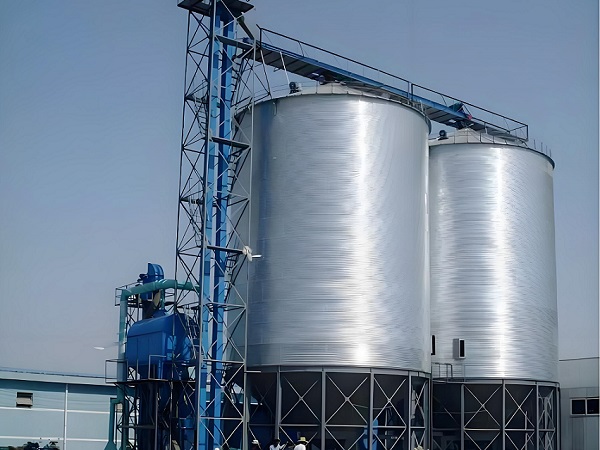
How to choose a suitable supplier?
When purchasing grain silo, the following points should be considered:
Capacity requirements
Estimate reasonable storage capacity based on annual grain production and sales cycle. Common specifications include 50 tons, 100 tons, 500 tons, etc.
Material and protection level
It is recommended to choose hot-dip galvanized steel or aluminum-magnesium alloy materials with good corrosion resistance.
Ventilation and temperature control system
Ensure that grain is not easy to deteriorate during storage.
After-sales service
It is recommended to give priority to companies with a complete after-sales service system, including professional technical support such as equipment installation and commissioning, operation training and regular maintenance.
It is recommended to ask the other party to provide project cases, technical parameters and on-site inspection opportunities before signing a contract. If necessary, consult the Uganda Ministry of Agriculture or relevant agricultural technology associations for professional advice.
Analysis of the Return on Investment of Grain Silo
Although the initial investment of grain silo is relatively high (e.g., the installation cost of a 100-ton system is about UGX 80–100 million), in the long run, it can significantly reduce grain losses and improve sales bargaining power. According to the Uganda National Bureau of Statistics, farmers who use grain silos have an average grain loss rate of more than 40% per season.
In addition, a standardized storage system can also help obtain bank financing, government project support or technical subsidies from international development funds, indirectly increasing the value of agricultural assets.
Summary: The best way to buy grain silo in Uganda
At present, the agricultural equipment market in Uganda shows a trend of continuous expansion, especially in grain storage facilities such as grain silo, where demand growth is particularly significant. In the actual procurement process, it is recommended to formulate targeted procurement strategies based on the scale and operating characteristics of the enterprise itself to improve input efficiency and system adaptability. Small and medium-sized farmers are more suitable to choose local suppliers in order to obtain faster response and support in equipment installation, after-sales maintenance and other links. For large grain processing enterprises, it is recommended to introduce international mature technologies and combine them with local construction resources to build a standardized and highly automated grain silos system to improve grain storage efficiency and management level.
No matter which method you choose, the key is to clarify your needs, budget and project cycle, and choose the right grain silos brand to achieve a win-win situation of grain storage efficiency and benefits.