General thickness
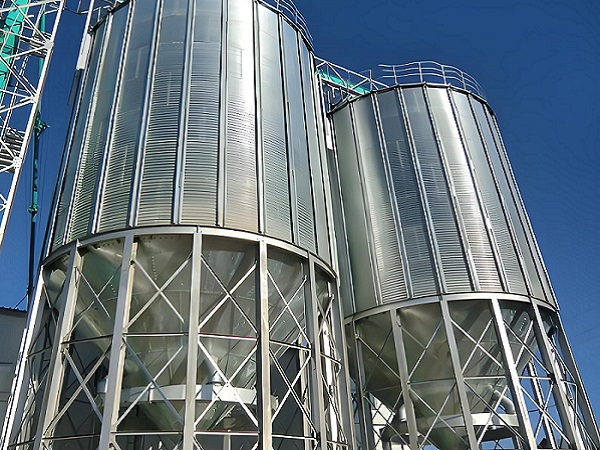
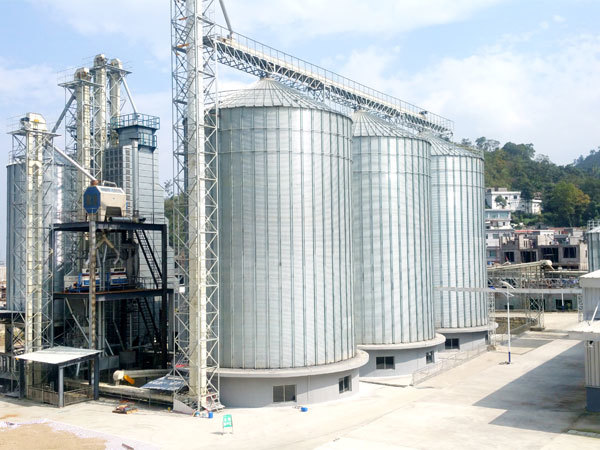
Usually, the thickness of steel silos is between 5 and 20 mm. For instance, when designing a 5,000-ton steel silo, engineers must carefully consider the thickness of the steel plate. Typically, this thickness ranges between 10 and 20 mm to guarantee the silo’s structural strength and stability.
Specific thickness
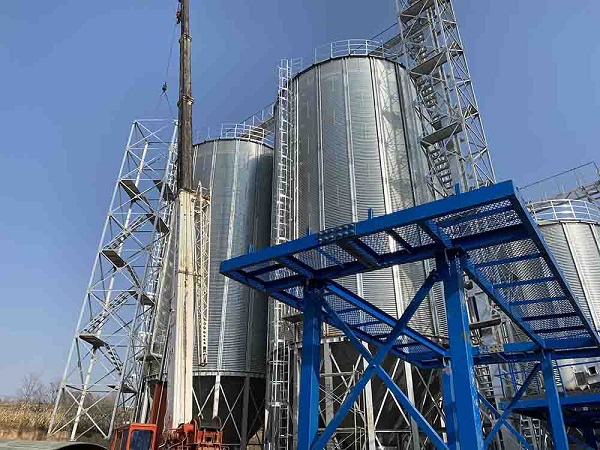
If heavy materials are stored or long-term storage is required, the thickness of the steel silo should be increased. For specific purposes such as cement silos, the conventional thickness is 3 mm, 4 mm, 5 mm, etc., to cope with heavy pressure and long-term wear.
Production process customization
From the perspective of production technology, the thickness of steel silos can be produced according to customer needs. Common customized thicknesses are 2 mm, 3.5 mm, 5 mm, etc. to meet special scene requirements.
Other influencing factors
Warehouse size, shape, geographical location, etc. will also affect the thickness of the steel plate. Different sizes and shapes are subjected to different forces, and the environment in different regions is very different, which will affect the thickness selection.
Comprehensive design determines thickness
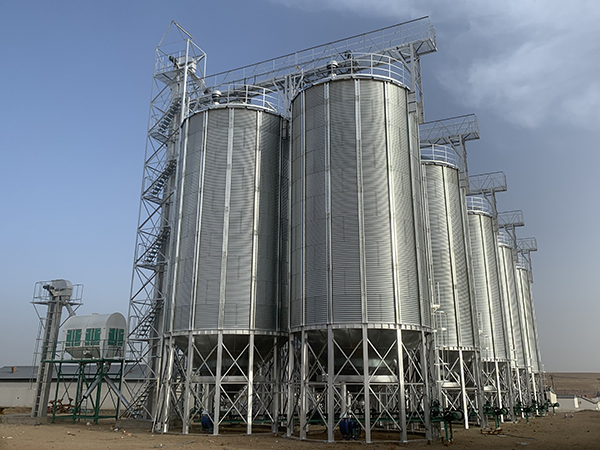
The design of steel silos requires comprehensive consideration of various factors. For general material storage steel silos, the thickness of the steel plate can be initially determined based on the storage volume and environment, and then accurately calculated in combination with structural design and force analysis. The thickness of the steel plate of large storage steel silos is usually several to tens of millimeters.
In short, there is no uniform standard for the thickness of steel silos, and personalized design is required to achieve optimal performance.