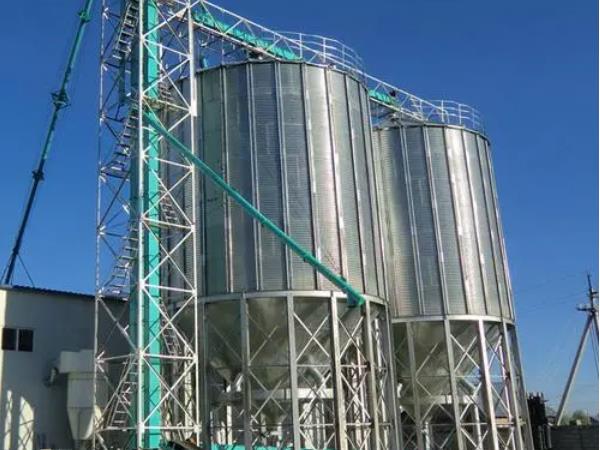
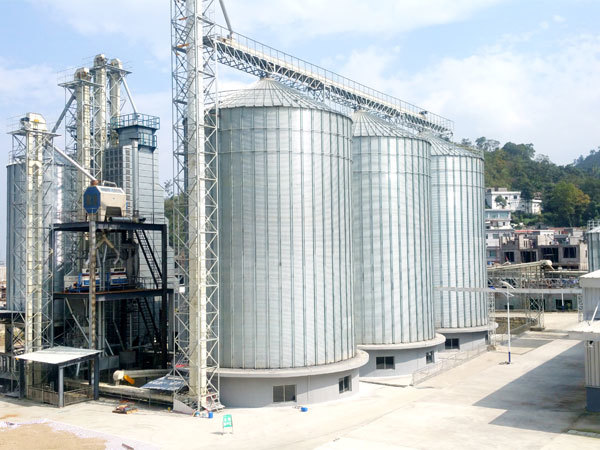
What is a farm silo?
Farm silo, also known as grain silos, are large closed containers designed for farm crop storage. They are mainly used for short-term or long-term storage of various granular agricultural products, such as corn, soybeans, and rice. According to different materials and structures, farm silos can be divided into steel plate silos, concrete silos, and plastic silos, which have good sealing, moisture resistance, and ventilation performance.
In traditional agriculture, farmers mostly store grain in woven bags or earth pits, which is not only time-consuming and labor-intensive, but also prone to problems such as insect infestation and mildew. Modern farm silos, on the other hand, have achieved standardization and visualization of the grain storage process through mechanized design and intelligent monitoring systems, significantly reducing the grain storage loss rate.
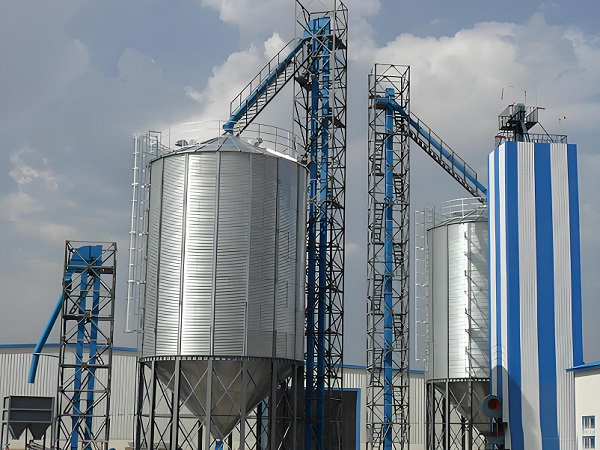
Analysis of the core uses of farm silo
Grain storage quality: extending the shelf life of agricultural products
As a key component of modern agricultural infrastructure, farm silo are equipped with intelligent ventilation systems and real-time temperature and humidity monitoring devices to effectively control grain storage environmental parameters. Its core function is to control the moisture content of newly harvested grain within the safety threshold, significantly inhibit the phenomenon of heating and mildew caused by microbial activity, thereby ensuring the quality of grain and extending the shelf life.
Pest and moisture prevention: ensuring grain storage safety
Pests and moisture are the two common “killers” in grain storage. Modern farm silos effectively isolate external moisture and insect sources through closed structures combined with physical ventilation, circulation cooling and other methods. At the same time, some high-end models also support gas-controlled storage technology to control the oxygen content in the warehouse, thereby inhibiting the breeding of insects.
Adjust sales rhythm: avoid market volatility risks
Grain market prices fluctuate significantly, and prices are often low during the harvest period. If farmers have their own farm silo, they can choose to sell them when prices rise to optimize their profit strategies. This flexible ability to adjust sales rhythm reflects the strategic value of silos in the agricultural product supply chain.
Easy to manage: improve farm operation efficiency
Farm silos not only have grain storage functions, but also integrate intelligent management systems. By linking with the information platform, managers can remotely monitor the temperature, humidity and grain data in the silo, grasp the storage status in real time and make adjustments. Compared with traditional grain storage methods, its management efficiency and safety level are significantly improved.
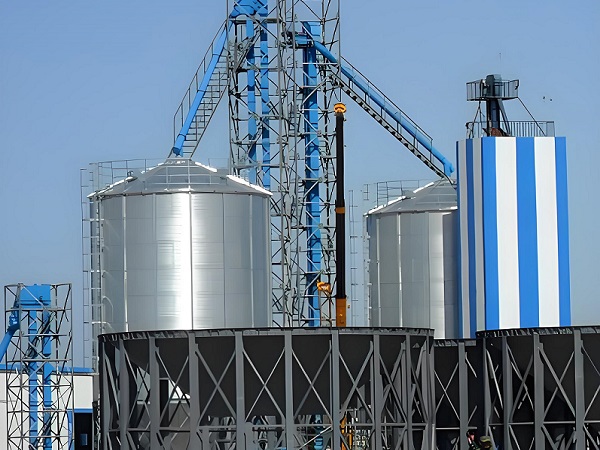
Types and applicable scenarios of farm silo
Depending on the scale and purpose, common farm silo types mainly include the following:
Steel plate assembled silo
The silo is modularly assembled from galvanized steel plates, and the capacity can be customized according to actual needs. The structure is stable and suitable for long-term storage of grain in large and medium-sized farms to ensure the safety and service life of grain storage.
Plastic portable silo
Using polymer materials, it is light in weight and low in cost, suitable for short-term storage or temporary grain storage turnover.
Flat-bottomed and conical-bottomed silo
Flat-bottomed silos are suitable for long-term static storage; conical-bottomed silos facilitate gravity unloading, improve grain output efficiency, and are suitable for farms with frequent loading and unloading.
Different types of silos have different design focuses. Farms should choose the most appropriate solution based on comprehensive factors such as grain variety, storage cycle, and investment budget.
Current application status of farm silo in global agriculture
As global agriculture develops in the direction of scale and intensiveness, farm silos have become standard facilities for various agricultural entities. In agriculturally developed countries such as the United States, Canada, and Australia, most medium and large farms are equipped with at least one silo unit for grain turnover or long-term storage.
In emerging agricultural regions such as Africa and Southeast Asia, with the increase in grain production and the improvement of mechanization levels, farms have a rapid growth in demand for grain storage facilities such as silos. Especially during the peak harvest period, having a stable and reliable farm silo can effectively increase post-production income, reduce grain losses, and ensure agricultural benefits.
Conclusion: Farm silo are key facilities for sustainable agricultural development
In summary, the functions of farm silo are not limited to grain storage, but also include preventing losses, ensuring quality, promoting flexible sales and realizing intelligent management. As an important infrastructure of modern agriculture, silos play a key role in improving the comprehensive competitiveness of agriculture, and are also an important guarantee for promoting sustainable agricultural development. Reasonable application of farm silos can help optimize grain management and reduce operational risks.
With the popularization of intelligent and modular technologies, farm silos in the future will become more efficient, environmentally friendly and intelligent, helping agricultural production to move towards higher standards. For every farm pursuing efficient operation, investing in a scientifically configured silos system is undoubtedly a worthwhile long-term strategic choice.