Basic cost composition of grain silo
The cost of grain silo is mainly determined by factors such as raw materials, manufacturing process, specifications and additional configurations. Different types of grain silos have large differences in price.
Raw material cost
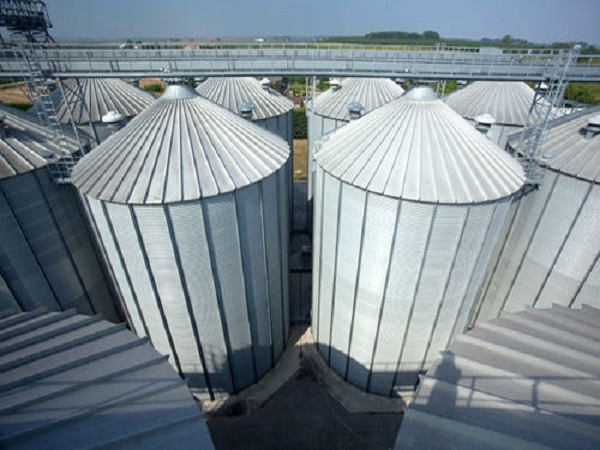
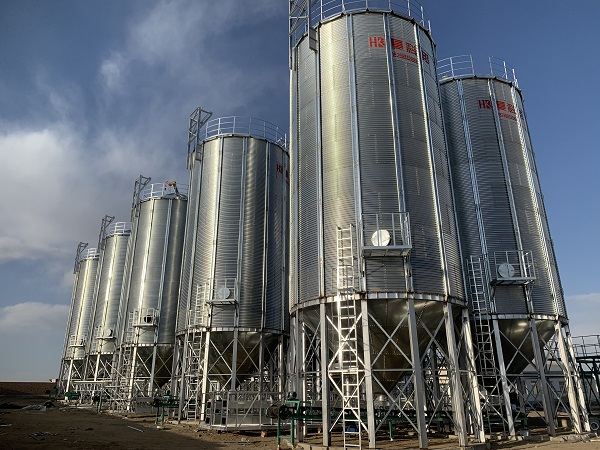
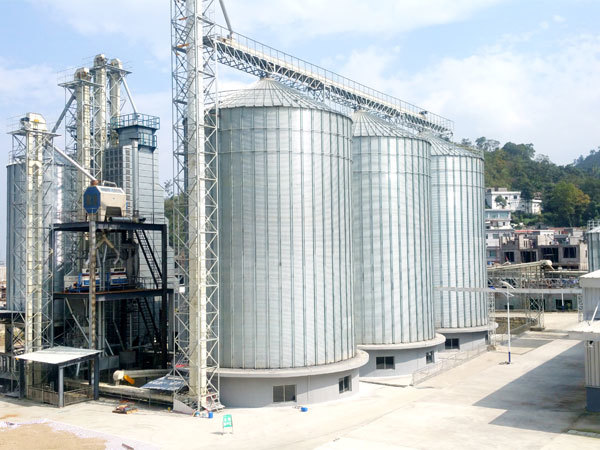
Grain silos are mainly made of galvanized steel plates or stainless steel. The price of high-quality steel plates is relatively high, which directly affects the overall cost of silos. Usually steel accounts for 40%-60% of the total cost.
Manufacturing process
Advanced welding technology and anti-corrosion treatment can improve the durability and sealing performance of grain silos, but will also increase prices accordingly. Automated production lines can reduce labor costs, but equipment investment is large. Choosing the right partner is critical to ensuring steel quality. As experienced grain storage silo manufacturers, we specialize in S350GD galvanized structures designed to withstand tropical corrosion.
Specifications and capacity
The capacity of grain silos usually ranges from tens of tons to thousands of tons. As the capacity increases, the unit cost decreases relatively, but the total investment will also increase. The more common specifications currently include 100 tons, 500 tons and 1,000 tons. While unit costs decrease as capacity grows, large-scale projects require specific engineering. For a deep dive into high-capacity storage, see our investment and technical guide for 1,000-ton hopper silos in Thailand.”
Additional configuration
Equipped with automatic temperature control, ventilation system, rodent-proof facilities, etc., it will increase costs, but improve the safety and quality of grain storage.
Overall, the purchase price of small and medium-sized grain silos is generally between 30,000 and 200,000 yuan, and the specific cost will vary depending on the configuration level and production location.
Advanced systems reduce risks, but long-term ROI also depends on proper upkeep. You can learn more about maintenance and cleaning methods for grain silos in Thailand to protect your investment.

Costs to pay attention to when purchasing grain silo
In addition to the price of the equipment itself, the following additional costs should be considered when purchasing grain silos:
Installation and commissioning fees
The cost of a professional installation team usually accounts for 5%-10% of the equipment price.
After-sales service fee
Some manufacturers will provide extended warranty or maintenance services.
Taxes and customs clearance fees
Export taxes and related handling fees are involved in cross-border procurement.
The combined impact of these costs on the overall procurement budget cannot be ignored.
Grain silo transportation costs from China to Thailand
When Thailand purchases Chinese grain silos, transportation is a key cost link. Freight is affected by many factors, as follows:
Transportation mode selection
Sea transportation
Lower cost, suitable for bulk goods, longer time, generally takes 15-30 days.
Land transportation
Fast speed, but higher cost, suitable for urgent orders and smaller quantities.
Air transportation
The highest cost, usually not suitable for bulk and heavy goods such as grain silos.
Cargo volume and weight
Grain silos are large and heavy, and sea transportation costs are usually charged by volume weight or actual weight. The larger the volume, the higher the cost.
Handling and transit fees
Terminal handling, port handling fees and possible transit fees also need to be considered.
Transportation distance and route
The overall freight rates from China’s coastal ports to major ports in Thailand (such as Bangkok and Laem Chabang) are relatively stable, but the specific costs are still affected by market conditions and the peak and off-peak seasons.
According to the current market conditions, the transportation cost of a medium-sized grain silo to Thailand by sea is roughly between US$3,000 and US$8,000, depending on the size and port.
Strategic Project Planning:
Ocean freight is a significant variable in your total budget. To see how these shipping costs fit into the overall project price for a medium-scale installation, refer to our
500-ton metal silo turnkey cost breakdown for Thailand
.
This guide integrates equipment, foundation, and logistics into a single transparent ROI analysis.
Suggestions for reducing procurement and transportation costs
In order to save the cost of purchasing grain silos and freight, you can consider the following strategies:
Bulk purchase
Bulk purchases can get discounts from manufacturers and logistics providers.
Choose the right specifications
Select according to actual needs and avoid blindly pursuing large capacity.
Negotiate transportation plans
Choose ports and transportation methods reasonably to avoid intermediate costs.
Understand tax policies
Make reasonable use of Thailand’s import preferential policies to reduce tax expenditures.
Conclusion
When purchasing grain silos, in addition to paying attention to equipment quality and price, you should also consider the freight and other related costs to Thailand. Reasonable arrangement of procurement and transportation processes can help effectively control costs and ensure the smooth completion of the project. I hope that the cost analysis in this article can provide a practical reference for your grain silo procurement.
Website: https://www.cobansilo.com/
Mobile: +8615801054617
Email: william@cobansilo.com