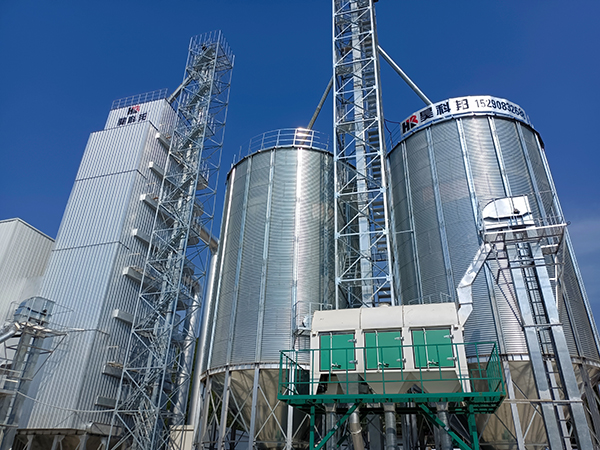
Project preparatory preparation: 7~14 days
The first step in building a grain steel silo is to complete the project establishment and preparatory preparation. This includes:
Land survey and foundation analysis;
Apply for permission from relevant government departments;
Clarify the use requirements of the silos (such as: storage type of grain, whether it is equipped with a conveying and ventilation system);
Choose an experienced supplier:
Selecting a partner who controls the entire production line is key. As leading grain storage silo manufacturers, we ensure that design and manufacturing stay on schedule, avoiding common middleman delays.
In Thailand, the relevant approval process is relatively efficient. If the customer is well prepared, the preparatory cycle is usually controlled within 7 to 14 days.
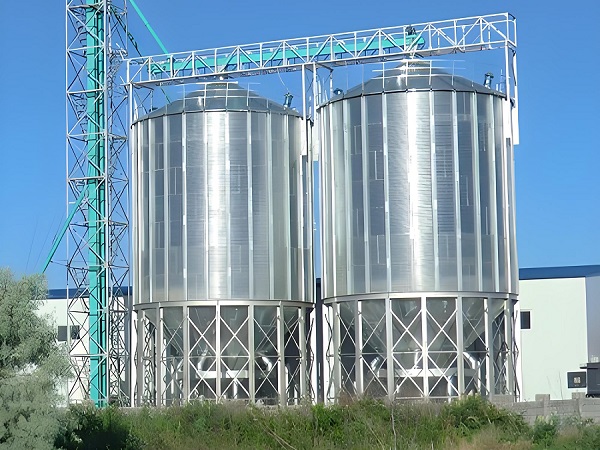
Silo design and manufacturing: 20~30 days
200-ton grain steel silo is a medium-sized grain storage equipment and needs to be customized by professional manufacturers according to project requirements. The design content includes:
Silo diameter, height, cone bottom or flat bottom structure;
Material selection (usually galvanized corrugated steel plate);
Matching of ventilation system, temperature control system and automatic discharging device;
Silo foundation drawing docking and structural calculation book issuance.
After the steel silo product enters the production stage, the modern factory relies on CNC machining center and automated molding production line for standardized operation. The standard construction period is 20-30 days, and the actual period needs to be determined comprehensively based on customer customization parameters and factory production schedule.
On-site construction and installation: 15~20 days
After the grain silo is produced, it will be transported to the project site in batches for installation. The installation content includes:
Foundation construction (if it is a flat-bottomed silo, concrete pouring is required)
It takes about 3~5 days, and you need to wait for the foundation maintenance period.
Installation of silo body
Assemble silo plates by bolt connection or hydraulic lifting;
Integration of supporting systems
Including inlet and outlet conveying equipment, ventilation system, electronic control system, etc.;
Anti-corrosion and lightning protection treatment.
The climate in Thailand is suitable for construction all year round. If the construction party has rich experience, the installation of a 200-ton silo can be completed within 15 to 20 days. To avoid the influence of rainy season or high temperature, it is recommended to arrange the construction period reasonably.
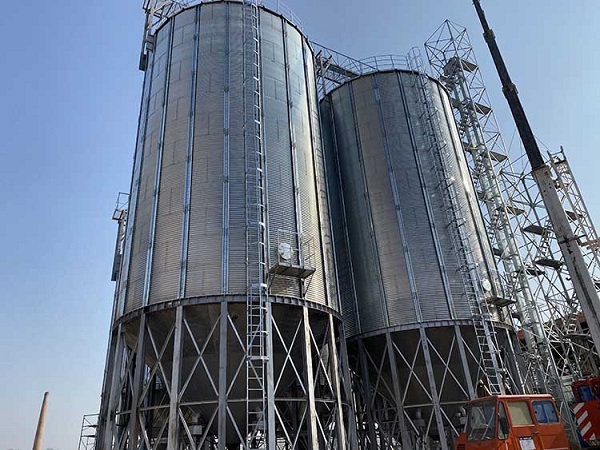
Commissioning and acceptance: 5~7 days
After the silo is installed, system commissioning and customer acceptance are required. This stage includes:
Electronic control system testing;
Ventilation, temperature and humidity monitoring commissioning;
Inlet and outlet testing;
Safety specification inspection (lightning protection grounding, cable wiring, etc.);
Customer training and operation guidance.
The commissioning cycle of grain silos is 5-7 working days. The supplier will be equipped with complete technical documentation and provide professional training to ensure that operators master the safe operation specifications and maintenance points of the equipment.
Total Cycle Summary: Approx. 50–70 Days
In summary, the total construction timeline for a 200-ton grain steel silo in Thailand is broken down as follows:
| Construction Phase | Estimated Time Required | Key Focus |
| 1. Preliminary Preparation | 7–14 Days | Permits, land survey, and design specs. |
| 2. Design & Manufacturing | 20–30 Days | CNC precision fabrication and galvanizing. |
| 3. Installation & Construction | 15–20 Days | Foundation curing and structural assembly. |
| 4. Commissioning & Acceptance | 5–7 Days | Systems testing and operator training. |
| Total Project Timeline | 50–70 Days | Ready for first grain load. |
Pro Tip: If you already have mature site conditions or choose one of our standardized design solutions, the overall cycle can be further shortened. While a 200-ton silo is ready quickly, larger projects require more intensive engineering. If you are considering scaling up, check our detailed guide on 1,000-ton hopper bottom silos to see how the construction requirements change at a larger scale.
Main factors affecting the construction period
Although the above cycle is a conventional estimate, the actual situation may fluctuate due to the following factors:
Customer decision-making efficiency
Drawing confirmation and contract signing speed;
Climate factors
Construction efficiency decreases during the rainy season in Thailand;
Construction team experience
A skilled silo installation team can significantly shorten the construction period;
Logistics and transportation
The distance and customs clearance time from the factory to the site. To better plan your timeline and budget, refer to our analysis on purchasing costs and freight to Thailand for a smoother logistics experience.
Is it a complete system
If it is equipped with grain conveyors, cleaning screens, drying towers, etc., the cycle will be appropriately extended.
Conclusion: Scientific planning ensures timely delivery of grain silo
As a key grain storage facility, the construction period of grain silo is closely related to the overall operation arrangement. For companies planning to build 200-ton grain steel silos in Thailand, making project plans in advance, selecting experienced partners, and reasonably arranging the construction season will greatly improve the efficiency of silos construction and use benefits. A grain silos delivered on schedule can not only ensure the quality of agricultural products, but also enhance the competitiveness of enterprises in the grain circulation link.
Strategic Planning Tip: Scheduling is just one part of a successful project. If you are still in the budgeting phase and considering a medium-sized storage hub, we recommend reading our
2026 500-ton silo cost and ROI analysis
It provides a deeper look at the total investment from foundation to commissioning, helping you decide if a larger capacity better fits your long-term growth.