What is an insulated steel silo
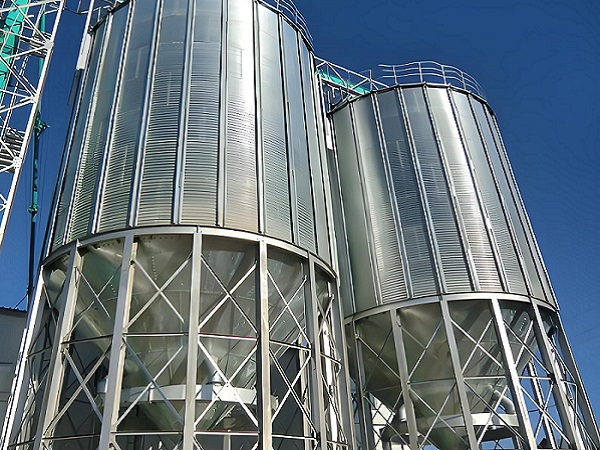
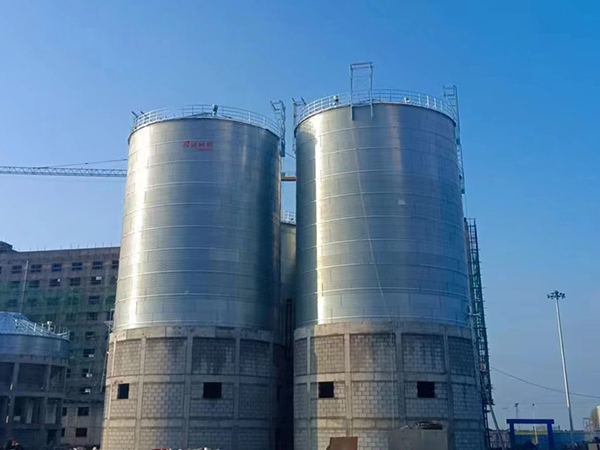
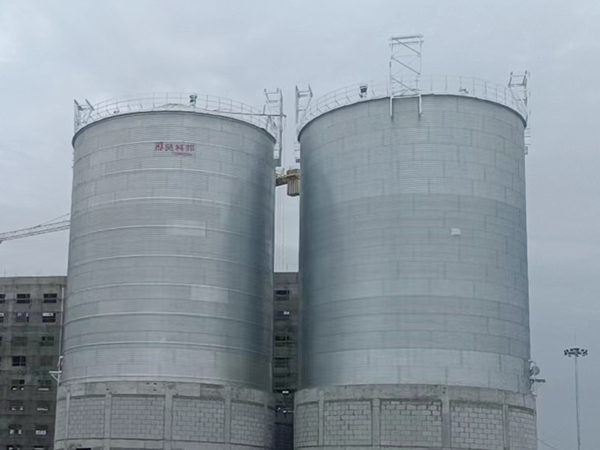
Insulated steel silo is a functional silo that is based on the conventional steel plate silo structure. By introducing professional insulation materials on the outside of the silo body or in the sandwich structure and supplemented with peripheral protective structures, it significantly reduces the influence of external environmental temperature on the materials inside the silo. Its core objective is not merely to “keep warm”, but to provide a relatively stable and controllable storage temperature environment for the materials inside the warehouse, especially suitable for grains, seeds and some industrial raw materials with high requirements for quality stability.
From the perspective of structural form, insulated steel silos can be applied to prefabricated steel plate silos or combined with Lipu silo structures, and can be flexibly configured according to the project scale and usage requirements.
Main application scenarios of insulated steel silo
In actual projects, insulated steel silos are mostly applied in the following scenarios:
The first is the seed storage project. Seeds are extremely sensitive to temperature and humidity. A large temperature difference will directly affect the germination rate and activity. Insulated steel silos have particularly obvious advantages in this field.
The second type is long-term grain storage projects with high requirements for grain quality. Storage in a low-temperature and stable environment can effectively extend the safe storage period and reduce quality loss.
The third category is areas with significant temperature differences or extreme climate zones. In areas with large temperature differences between day and night and significant temperature differences between winter and summer, the insulation structure can significantly reduce the risk of condensation and local mold inside the warehouse.
In addition, in some industrial bulk material storage projects, insulated steel silos can also be used to control the physical property changes of materials.

Core features of insulated steel silo
From an engineering perspective, the advantages of insulated steel silos are mainly reflected in the following aspects:
First of all, it has stable thermal insulation performance. A continuous insulation layer is set between the inner and outer plates of the silo, effectively weakening the direct impact of external temperature on the silo temperature and grain temperature, making the environmental changes inside the silo more gentle.
Secondly, it has a significant protective effect on the quality of raw materials. A low-temperature and stable storage environment can suppress the respiration intensity of grains, delay the process of quality deterioration, and thereby enhance the safety and economy of grain storage.
The third is high structural safety. The mature five-layer interlocking process effectively prevents rainwater leakage. Combined with wind-resistant rings, vertical ribs and other horizontal and vertical ribbed structures, it forms a stable force-bearing system, which can meet the load requirements of strong winds and other working conditions.
In addition, insulated steel silos are more flexible in system integration and can be combined with intelligent ventilation, grain condition monitoring and circulation fumigation systems to achieve more refined warehouse management.
Structural composition of insulated steel silo
From the perspective of structural composition, insulated steel silos are typically composed of the following parts:
The foundation remains the standard steel plate silo body, with insulation material layers set in sequence on its outer side. The insulation layer is externally fixed with color steel profiles through a keel system, forming a complete peripheral protective structure. Color steel plates mainly serve protective and decorative purposes and do not bear the main structural forces.
On the top of the warehouse, a warehouse top plate structure is usually configured, with reserved air outlets for axial flow fans and natural ventilation openings to meet the requirements of ventilation and temperature control. Inspection doors are set on the side walls of the warehouse for easy daily maintenance and inspection.
In terms of unloading, some projects can adopt the side-wall discharge system. By rationally arranging the convergence and dispersion hoppers and taking advantage of the natural flow characteristics of the bulk materials, unpowered unloading can be achieved, reducing operational energy consumption.
Common insulation materials and Their properties
At present, the commonly used insulation materials in engineering include polyurethane foam, expanded polystyrene, extruded polystyrene, glass wool and rock wool, etc. The thickness is generally determined according to the regional climate conditions and insulation requirements, and the conventional range is between 80 and 150mm.
Among them, rigid polyurethane foam (PUR) is widely used in insulated steel silo projects due to its low thermal conductivity, good overall formability, outstanding water resistance and aging resistance. It has strong adhesion to metal substrates, is lightweight and has stable compressive performance. Density and strength parameters can be customized according to different working conditions.
Engineering advantages of Kebang insulated steel silo
In the actual implementation of projects, Kebang has accumulated relatively mature engineering experience in the field of insulated steel silos. From material selection, structural design to on-site construction, the long-term operational stability is the core consideration.
Kebang insulated steel silos strictly control the continuity of the insulation layer, the anti-seepage treatment of nodes, and the overall structural rigidity, which can effectively avoid thermal Bridges or leakage problems caused by inadequate construction details. Meanwhile, in terms of system configuration, ventilation, temperature control and intelligent management systems can be flexibly integrated according to customer needs, which is more in line with the development direction of modern grain storage.
From the perspective of long-term operating costs, a well-designed insulated steel silo not only helps reduce grain loss but also cuts down on later labor and maintenance costs, with obvious advantages in comprehensive economic benefits.
Conclusion
Overall, insulated steel silos are not merely about adding an additional layer of insulation material to steel silos, but rather a systematic project that comprehensively considers structural safety, thermal performance, and grain storage processes. For projects that pursue stable grain quality and long-term safe storage, choosing a mature and reliable insulated steel silo solution often demonstrates higher engineering value within the operation cycle.