
Common grain
Wheat is an important grain crop in the world and can be ground into flour to make various pasta. There are many advantages to storing it in silo. It has good sealing, can prevent moisture and insects, and can also be mechanized for loading and unloading, improving storage and transportation efficiency. During the harvest, a large amount of wheat can be quickly and safely stored, and it is also convenient to use during processing.
Corn is also a frequent visitor to silos. It is not only a grain, but also a feed and industrial raw material. Silo can control temperature and humidity to ensure the quality of corn, and they have a large capacity to meet the needs of large-scale breeding and processing companies.
Rice is husked rice. After harvesting, it is dried to reduce moisture. Silos can keep rice and rice dry during storage, and ventilation systems can avoid odor and mildew, just like the “rice bank” in the main rice producing areas.
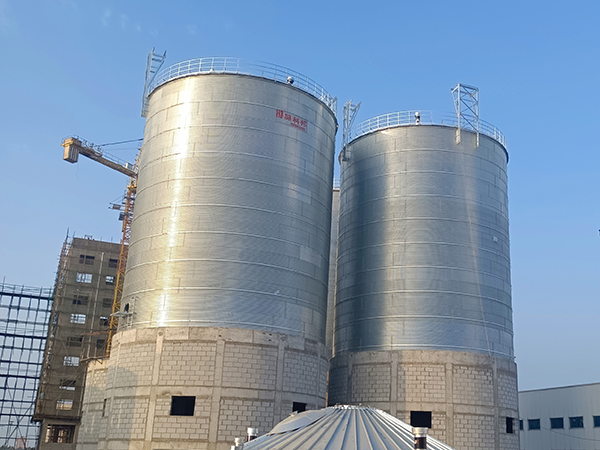
Legumes
Soybeans are rich in protein and oil, and can be used to make soybean oil, tofu, etc. It is susceptible to pests and mildew. The insect and moisture-proof function of the silo can solve the problem. The internal monitoring equipment can monitor the situation in real time to ensure quality and safety.
Mung beans, red beans and other beans have unique market demand and are used to make desserts, porridge and other products. Reasonable storage and management of silos can maintain their color, taste and nutritional content.
Oil-bearing crop seed
Rapeseed is the main raw material for producing rapeseed oil. It is easy to heat and mold during storage. The ventilation and temperature control system of the silo can prevent deterioration. The sealing can also reduce oxidation reactions and ensure the oil yield and oil quality.
Peanuts can be eaten, made into oil, and made into sauces. They are prone to moisture, germination, and infection with aflatoxin during storage. Silos can provide a safe and stable environment to reduce risks.
However, silo cannot store everything. They are not suitable for those that are easy to rot and have special storage requirements. They must be managed and maintained during use and inspected regularly. In short, silos are very useful and can store many types of grain.


