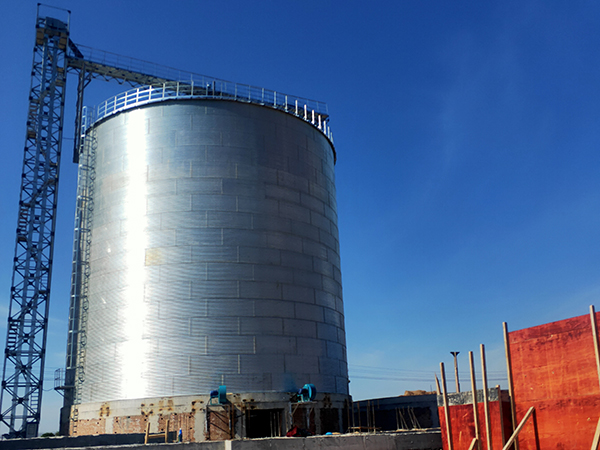
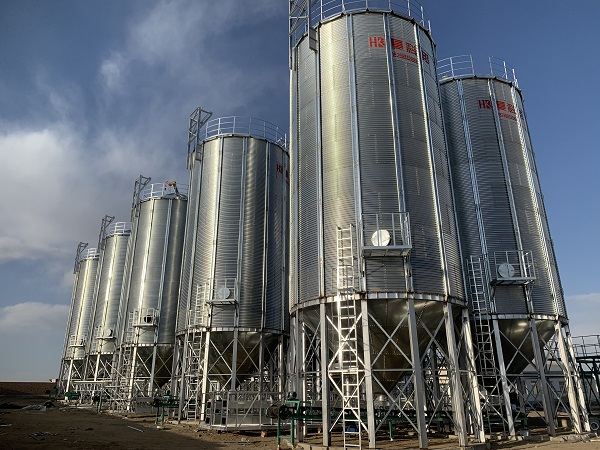
Construction of Grain Silo: Strengthening Agricultural Modernization and Food Security in Shandong
As China continues to advance agricultural development and modernization, ensuring food security and improving storage capacity for agricultural products have become pressing priorities. In response to the growing demand for high-quality grain and agricultural goods, Shandong Province has launched a comprehensive initiative to build modern grain silo. This initiative aims to expand storage capacity, safeguard food quality, and stabilize supply chains.
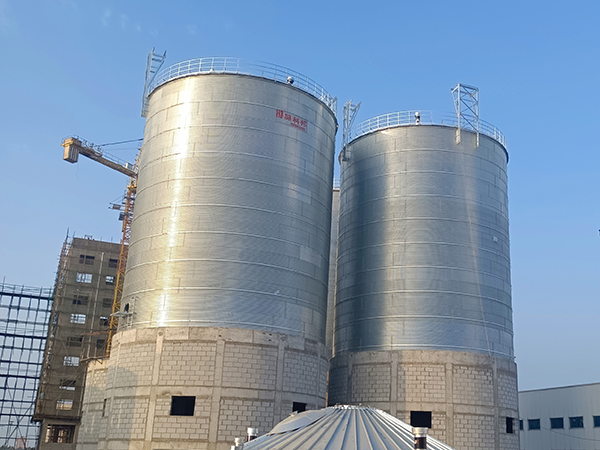
Enhancing Food Security Through Grain Silo Development
Grain serves as a cornerstone of national strategic security and plays a vital role in ensuring basic living standards for the population. By constructing grain silos in major production areas, Shandong enables efficient grain collection, scientific storage, and rational distribution. These silos help mitigate risks associated with natural disasters and market fluctuations, ensuring a stable grain supply. In doing so, the province effectively fortifies its food security infrastructure and supports the well-being of its people.
Maximizing Economic Efficiency Across Multiple Sectors
Grain silo offer advantages such as shorter construction periods and lower costs, making them a highly economical solution across various industries. In the grain storage sector, silos help preserve grain quality by preventing mold and pest damage. Breweries use them to store raw materials, ensuring steady production and consistent product quality. In wastewater treatment, silos store treated water and help prevent secondary pollution. Farmers also benefit by using grain silos to store crops like corn and wheat, gaining a reliable and efficient storage solution.
Improving Agricultural Product Storage and Boosting Farmer Incomes
Proper storage directly affects the market value and shelf life of agricultural products. Traditional storage methods often cause significant losses due to outdated infrastructure and poor environmental controls. By building modern grain silo equipped with advanced ventilation, temperature control, and monitoring technologies, Shandong greatly enhances storage efficiency and safety. These improvements reduce waste, maintain product quality, and empower farmers to negotiate better prices, ultimately boosting their incomes.
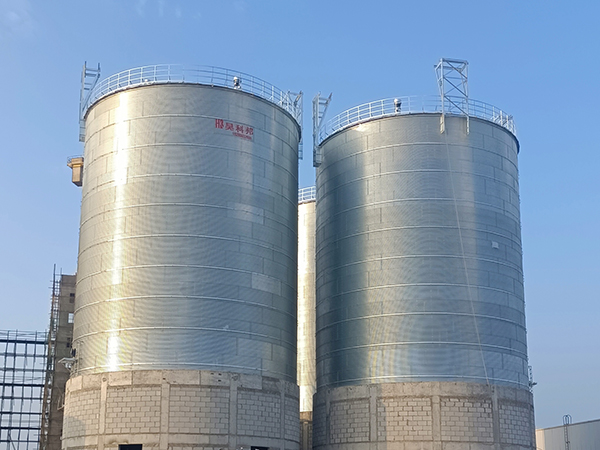
Driving Industrial Upgrading and Rural Economic Growth
Grain silo construction contributes not only to enhanced storage but also to the optimization of rural industrial structures. Large-scale, centralized storage facilities support agricultural product processing, sorting, and cold chain logistics. This infrastructure strengthens supply chains, adds value to agricultural products, and enhances market competitiveness. As a result, rural economies gain momentum through increased investment, job creation, and industrial development.
Advancing Agricultural Modernization Through Smart Technologies
Shandong is integrating cutting-edge technologies—such as the Internet of Things, artificial intelligence, and big data—into the management of its new grain silo. These systems enable real-time monitoring, remote operation, and automated alerts, significantly improving storage efficiency and reducing labor and operational costs. By embracing intelligent silo management, Shandong is accelerating the transition toward a modernized agricultural sector.