Late Autumn: Focus on Staged Ventilation and Preventing Condensation
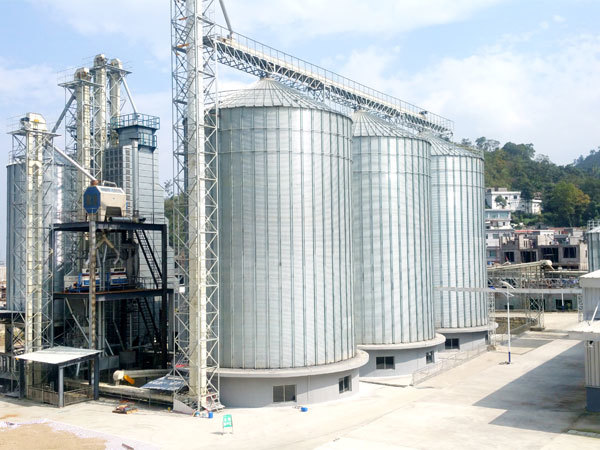
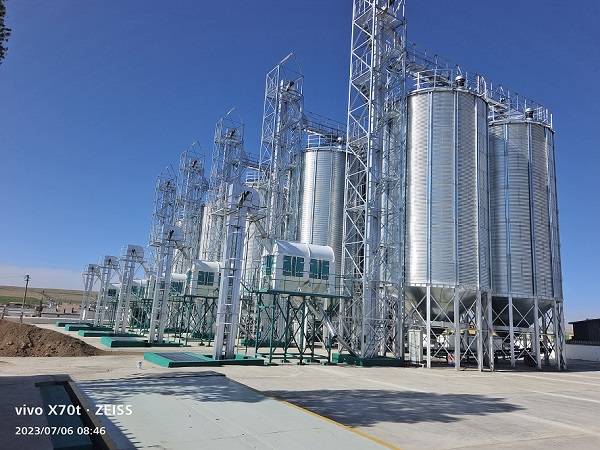
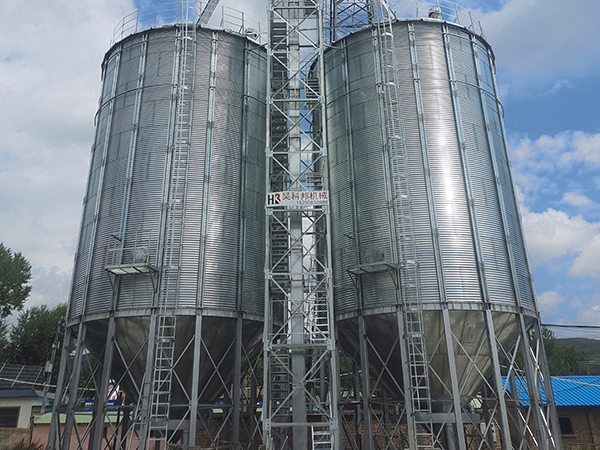
As late autumn approaches, the key focus of grain storage management in grain steel silo should be on staged ventilation and preventing condensation. As the outside temperature drops, the excellent insulation properties of the grain steel silo create an “outside cold, inside warm” situation.
This temperature difference can lead to the transfer of moisture inside the silo, resulting in condensation on the surface of the grain pile and silo walls. The formation of “top condensation” or “wall condensation” can lead to heat buildup and mold growth. To avoid this, timely ventilation should be conducted to dissipate moisture, balance the grain temperature, and eliminate the conditions that promote heat diffusion, ensuring that moisture transfer does not occur.

Cold Winter: Use Natural Low Temperature to Lower Grain Temperature
In the cold winter months, the outdoor temperatures are low. The focus of grain storage management is to use these low temperatures to cool the grain inside the silo. By utilizing the natural cold, we can create a low-temperature storage environment within the silo. This helps ensure that the grain remains at an optimal low temperature, which not only benefits the current grain storage but also prepares the grain for safe storage in the coming year under similar low-temperature conditions. Therefore, we should enhance ventilation during winter to maintain a stable, low-temperature environment.
Spring: Insulate to Prevent Grain Temperature Rise
As temperatures rise in spring, storage management should focus on insulation to prevent the grain temperature from increasing too quickly. grain Steel silo, especially those with large grain piles and poor heat conduction in enclosed conditions, can experience significant temperature fluctuations. By taking advantage of this characteristic, proper insulation should be applied to maintain the grain at a low temperature. This will ensure safe storage and prevent temperature-induced quality deterioration or mold growth.
Hot Summer: Managing High Grain Moisture and Temperature
During hot summer months, the harvested grain often has higher moisture content. Several measures should be to taken ensure its safe storage. First, balanced ventilation should be implemented to regulate the moisture and temperature inside the silo, stabilizing the grain condition. Next, time-sensitive cooling and heat dissipation should occur to lower the internal temperature and reduce moisture content, enhancing storage stability. If pests or mold are detected, fumigation with a high concentration of pesticide may be necessary to prevent further damage. This will also buy time for cooling and moisture reduction. Finally, ventilation should be conducted during cooler periods. This will further lower the grain pile temperature and ensure the safety of the stored grain.

Methods for Cooling and Moisture Dissipation in Grain Piles
There are various methods for cooling and dissipating moisture in grain piles. The choice of method depends on the specific conditions:
Ventilation: Directly lowers the temperature and moisture content of the grain. With uniform ventilation, this method is cost-effective and widely used in grain steel silo for grain preservation.
Turning the Grain Surface: This is an effective method for cooling the top layers of a bulk grain pile. It is simple, economical, and yields good results.
Mechanical Dehumidification: Inserting air ducts or fumigation probes into the grain pile for mechanical ventilation can help remove moisture effectively.
Grain Cooling: Using low temperatures during the winter or a grain cooling machine can help lower the grain temperature, creating a more stable storage environment.
Sun Exposure: In winter, you can use the dry, cold air of the northwest winds to sun-dry grain with slightly high moisture content, which helps reduce moisture.
Hot Air Drying: For grain with high moisture content and large volumes, hot air drying is an efficient way to quickly reduce moisture and ensure the long-term stability of the grain.
By using these methods together, we can effectively control the moisture and temperature of the grain. This ensures the safety and stability of grain storage in different seasons. It also prevents issues like mold growth and heat buildup.