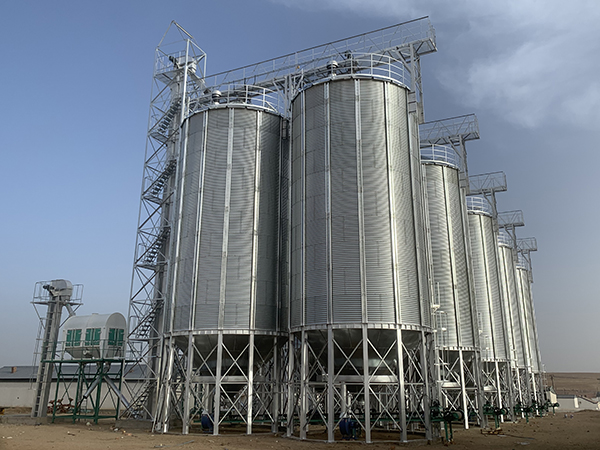
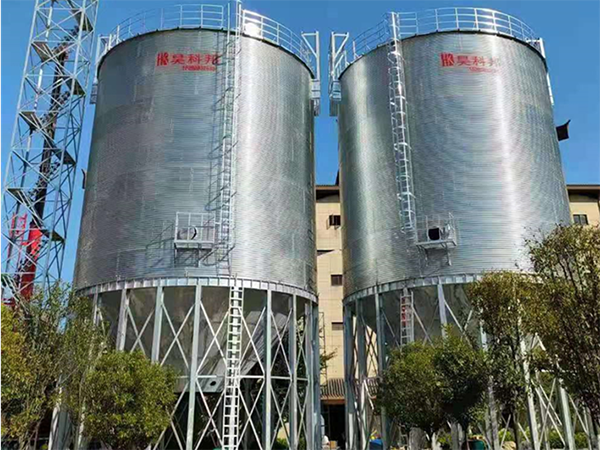
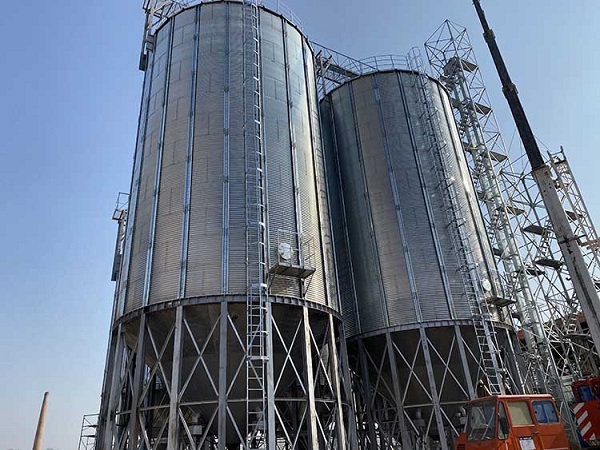
Preparation Before Storing Grain in the Silo
Before transporting grain into the grain silo, workers ensure that the storage environment meets hygiene and safety standards. They thoroughly clean the floor, walls, and ventilation openings using soft brushes to remove any residues. If necessary, they apply food-grade disinfectant for sterilization. After disinfection, they ventilate the silo to dry it completely and eliminate any odors that could affect the grain’s quality.

Inspection and Verification Before Unloading
When the transport vehicle arrives, workers check the vehicle information and verify the documents to ensure the grain type, quantity, and origin match the records. They open the truck compartment and visually inspect the grain for signs of mold, clumping, or pest infestation. If they detect any abnormalities, they report them immediately and suspend unloading until the issue is resolved by specialists.
Cleaning and Removal of Impurities
Before entering the grain silo, the grain passes through a vibrating screen to remove large impurities such as stones and stalks. A suction system beneath the screen uses airflow to separate lightweight debris like dust and chaff. The grain then moves through a magnetic separator, which extracts metal contaminants such as nails and wires, preventing damage to subsequent equipment.
Quality Testing and Moisture Control
Workers collect grain samples for quality testing, focusing on moisture content, impurity levels, and potential pest infestation. They use a rapid moisture analyzer to measure moisture from three different sampling points and calculate the average value. They assess impurity levels using standard sieving methods and determine the percentage by weight. If the moisture content exceeds the acceptable limit, they activate the drying system immediately. If the impurity level is too high, they conduct secondary cleaning to ensure the grain meets quality requirements.
Grain Transportation and Piling Management
Once the grain passes quality checks, workers use a bucket elevator to transport it vertically to the top of the grain silo. A distribution system ensures even dispersal into designated storage sections. Every 20 minutes, workers check the belt tension of the bucket elevator to prevent slippage or misalignment. If the grain pile inside the silo reaches 15 meters in height, they activate a multi-point discharge system to distribute the grain flow evenly, preventing excessive piling angles that could lead to segregation.
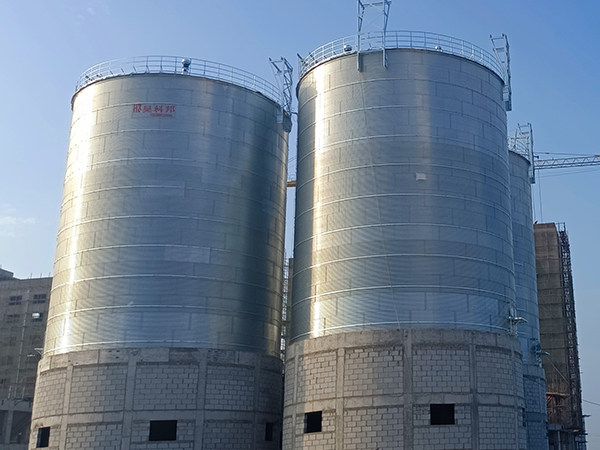
Ventilation and Temperature Monitoring
During storage, workers operate axial fans to provide slow and controlled ventilation, maintaining an airflow rate of 0.5 cubic meters per minute per ton of grain. They adjust the ventilation temperature based on the grain type. For wheat, the airflow temperature must not exceed the ambient temperature by more than 5°C, while for corn, the ventilation temperature should remain below 35°C. Every two hours, workers manually check the middle layer of the grain pile with a temperature probe and compare the readings with electronic sensor data. If the temperature difference exceeds 2°C, they inspect the equipment for malfunctions.
Leveling and Sealing the Grain Surface
When the grain fills up to 90% of the grain silo capacity, workers stop feeding and use a grain spreader to level the surface, forming a natural slope of about 30 degrees. They cover the grain with breathable woven fabric and place weights on top to prevent shifting. Before closing the silo door, they inspect the sealing strips for any damage and apply food-grade sealant to fill any gaps in the door frame. On the silo roof, they install a double-layer insect-proof mesh, with an outer layer of 80-mesh stainless steel and an inner layer of 60-mesh nylon, to prevent pest intrusion.
Record Keeping and Equipment Maintenance
Throughout the entire storage process, workers maintain detailed records for each batch of grain, including testing data, ventilation parameters, and equipment operating conditions. They store photographic documentation for at least three years, including panoramic images of the leveled grain surface and close-ups of key equipment components. If they detect issues such as conveyor belt wear or unusual elevator noise, they log the specific location and corrective actions in the maintenance record.
Emergency Handling Procedures
In the event of a sudden power outage, workers immediately shut off power and manually close the gates to prevent grain backflow. Once power is restored, they restart the monitoring system first to ensure there are no anomalies before resuming grain transportation. During the rainy season, they inspect and clear the roof drainage system every hour to ensure proper water flow. If grain flow becomes obstructed, they use a wooden rod to clear the blockage, strictly avoiding metal tools to prevent sparks and fire hazards.
Regular Equipment Inspections and Safety Training
Workers routinely inspect the wear-resistant linings at pipeline bends and replace them when thickness wear exceeds 50%. Every month, they test the emergency braking system by simulating a power failure and measuring the gate closing speed. If the closing time exceeds eight seconds, they adjust the hydraulic system. Additionally, every quarter, they conduct dust explosion prevention training, focusing on the proper use of spark detectors and early-stage fire suppression techniques.
Final Cleanup and Data Analysis
After completing the grain storage process, workers clean up spilled grain and filter it back into storage. They remove dust residues from equipment surfaces using a negative-pressure vacuum cleaner and lubricate transmission components with food-grade oil. Finally, they compare the current storage data with historical records to analyze moisture variation trends and equipment performance. They compile an improvement report and submit it to the grain storage management department for process optimization.