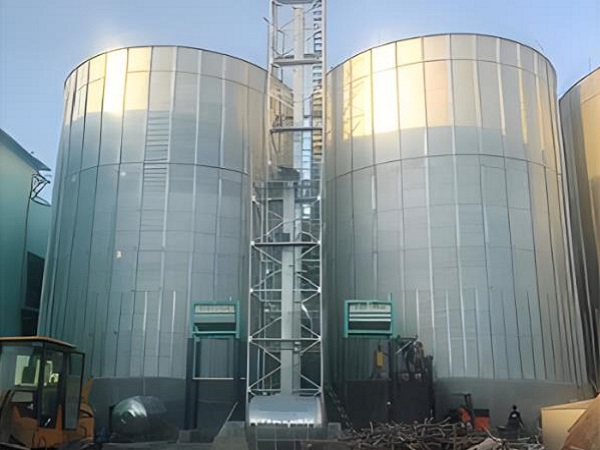
The Importance of Flat-Bottom Steel Silo in Grain Storage
Flat-bottom steel silo are common grain storage facilities that require particular attention to temperature, humidity, maintenance, safety management, and other factors to ensure a stable storage environment and the safety of the grain.(What is a flat bottom steel silo)
The Impact of Temperature on Flat-Bottom Steel Silo
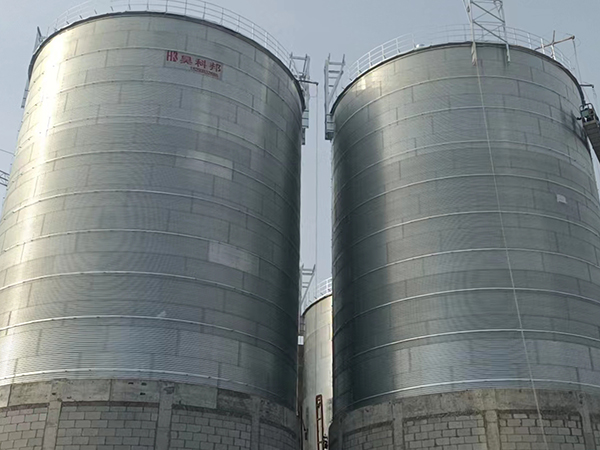
Since flat-bottom steel silos are made of metal sheets, their surface temperature is directly affected by the outside air temperature. When the outside temperature rises, the surface temperature of the steel silo also increases. Conversely, when the external temperature is low, the surface temperature of the silo drops. These temperature variations can affect the internal environment of the silo, potentially causing issues with the stored grain. To prevent large temperature differences, it is crucial to use temperature control devices or insulation measures to maintain a stable internal environment.
Controlling Grain Moisture to Prevent Spoilage
Before entering the flat-bottom steel silo, the moisture content of the grain must be controlled within a reasonable range. Typically, the moisture content should not exceed 13%. If it exceeds this threshold, mechanical ventilation and cooling measures must be implemented to reduce moisture. This helps prevent spoilage, mold growth, or decay during storage. Proper moisture control is essential to ensure the grain remains safe for long-term storage.
Regular Inspection and Maintenance of Flat-Bottom Steel Silo
Although flat-bottom steel silos are designed to be durable, long-term use and external environmental factors can cause wear and corrosion. To ensure the silo operates properly, it is essential to conduct regular inspections and repairs to address issues like cracks or rust. Cleaning and disinfection are also vital; the silo must be regularly cleaned and disinfected to prevent contamination and ensure the stored grain remains of high quality.
Safety Management and Operating Procedures
The management and operation of flat-bottom steel silo must strictly adhere to scientific management systems and operational procedures. Staff should follow prescribed protocols to ensure that all tasks are carried out systematically, minimizing the risk of human error leading to safety incidents. Additionally, the silo should be equipped with monitoring systems to track temperature and humidity levels in real-time. In case of any abnormal conditions, immediate corrective actions should be taken to prevent uncontrollable risks.
Environmental Awareness and Pollution Reduction
During the construction and operation of flat-bottom steel silo, it is essential to use environmentally friendly materials. Additionally, energy-saving technologies should be applied to minimize environmental impact. Furthermore, it is important to manage and protect the surrounding environment to prevent the grain storage activities from causing pollution. Implementing environmental protection measures not only helps preserve nature but also enhances the company’s social responsibility and brand image.
Conclusion
In summary, the safe and stable operation of flat-bottom steel silo requires a comprehensive approach that includes temperature and humidity management, equipment maintenance, standard operating procedures, and environmental protection. We can extend the silo’s lifespan and safeguard grain storage quality by implementing meticulous management practices and conducting regular inspections. This prevents spoilage due to improper storage conditions. Only with proper measures in place can grain storage be reliably and safely secured.