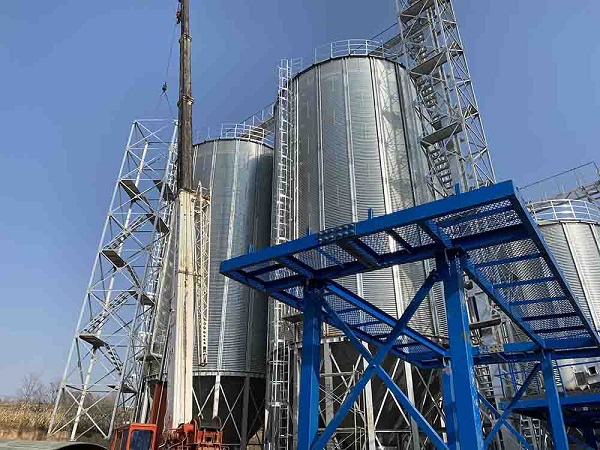
Safety Management and Fire and Explosion Prevention Measures for Grain Silo
Select Sites Scientifically and Optimize Layout
(1) Locate grain silo near the outskirts of towns, positioned upwind or sidewind relative to the prevailing wind direction throughout the year. Avoid proximity to warehouses or factories storing flammable and explosive materials to ensure safety. Install perimeter walls and multiple exits to facilitate emergency evacuation.
(2) Divide the facility into distinct functional zones, including storage, drying, processing, equipment storage, chemical storage, and office/living areas, to minimize fire chain reactions. Maintain fire separation distances between zones and establish fire lanes.
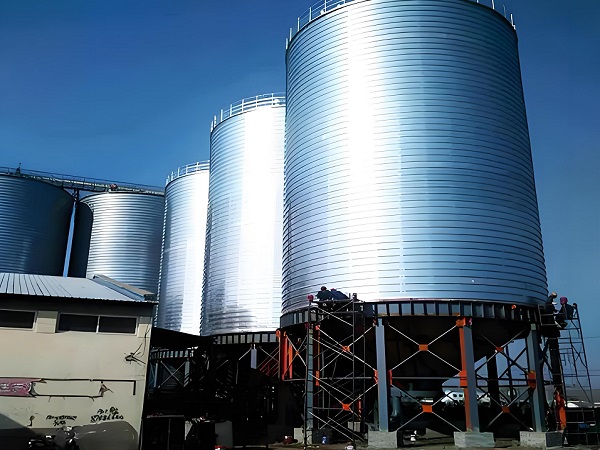
(3) Keep the storage area clean by eliminating random piles of flammable materials, regularly removing weeds and debris, and maintaining a safe environment.
(4) Prevent overhead wiring above warehouses, prohibit transformers within the facility, and install effective lightning protection systems to reduce lightning strike risks.
(5) Construct grain silo as independent structures. Store materials like burlap sacks, wood, and tarpaulins separately. Maintain a safety distance of 10-14 meters between warehouses, 4 meters between earthen silos, and at least 6 meters between outdoor stacks or traditional storage structures. Ensure a minimum distance of 6 meters from perimeter walls.
(6) Maintain appropriate fire safety distances between open-air or semi-open grain storage areas and buildings.
Monitor Temperature and Humidity to Prevent Grain Spontaneous Combustion
Regularly monitor temperature and humidity changes inside grain silo. If temperatures rise abnormally, take immediate measures such as ventilation or grain turnover to prevent spontaneous combustion.
Prohibit Open Flames and Ensure Electrical Safety
Strictly ban open flames within the facility and prohibit the use of high-temperature light sources such as tungsten iodine lamps and fluorescent lamps. Implement strict fire control measures, and ensure all electrical power inside the warehouse is turned off after operations.
Standardize Drying Operations to Prevent Fire Risks
Require operators to strictly follow equipment operating procedures during grain drying. Stop machines immediately for inspection in case of abnormalities. Remove combustible debris like straw, paper, and wood before loading grain into dryers. Control drying temperature and duration to prevent overheating and fire hazards. Assign personnel to monitor coal-fired furnaces, ensuring all residual flames are completely extinguished after shutdown.
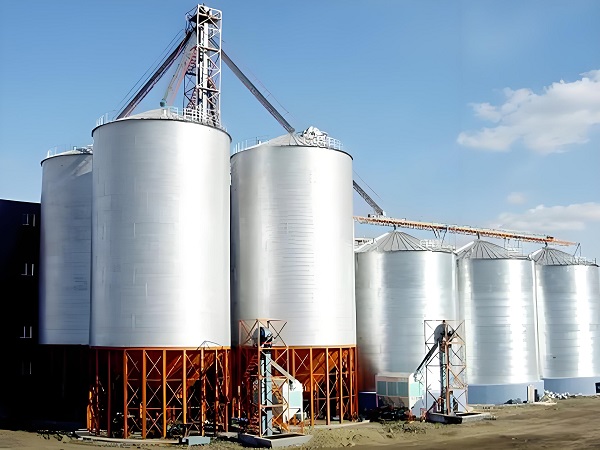
Equip Firefighting Facilities to Strengthen Emergency Response
Ensure adequate water supply for firefighting, including dedicated fire water reservoirs. Equip warehouses with suitable fire extinguishers to enable a rapid response in case of fire emergencies.
Ensure Safe Management of Chemical Fumigation
(1) When using aluminum phosphide for fumigation, open the bottle outdoors before evenly distributing the agent to allow phosphine gas to disperse quickly. Store chemicals in non-combustible containers in a dry, sealed environment to prevent water contact.
(2) When using zinc phosphide, strictly control dosage ratios and adjust sulfuric acid and water mixture temperatures based on the season, keeping it below 40°C in summer and 50°C in winter.
(3) When using ethylene oxide for fumigation, eliminate all open flames and ensure even distribution of the chemical. Mix ethylene oxide with carbon dioxide in a 1:9 ratio to reduce safety risks.
Prevent Explosions and Strengthen Safety Management
(1) Install explosion relief devices on silo roofs to mitigate the impact of dust explosions. Set up high-efficiency dust collection systems in high-dust areas and isolate them with firewalls. Prohibit open-flame operations in flammable zones.
(2) Use explosion-proof or fully enclosed electrical equipment inside the facility and install complete lightning protection systems.
(3) Seal grain conveyor equipment, install fire-resistant gates in screw conveyors, and equip belt conveyors with iron-removal devices and mesh screens to eliminate nails, stones, and other debris that could cause mechanical friction and ignition.
(4) Use flame-retardant materials for grain conveyor belts and avoid using fluorescent lights for illumination.
(5) Before conducting repairs involving open flames, thoroughly clean warehouse dust and implement strict fire prevention measures.
(6) Maintain operational area temperatures below 40°C and relative humidity above 70% to reduce fire hazards.
(7) Assign personnel to regularly remove dust accumulation in warehouses, reducing explosion risks and enhancing safety.
By implementing these measures rigorously, grain silo safety will significantly improve, ensuring the long-term stability and security of stored grain.