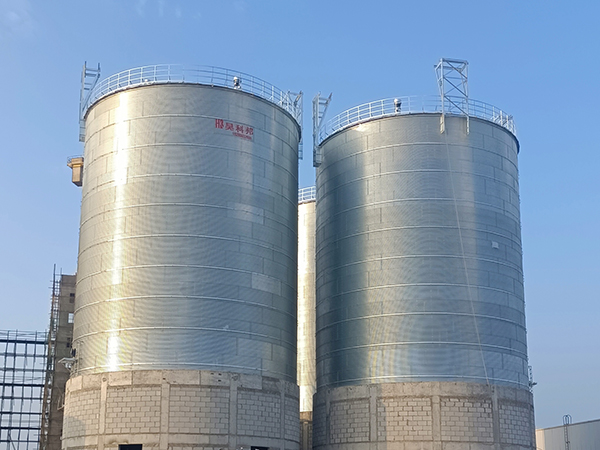
The Advantages and Common Misconceptions of Large Grain Steel Silo
Large grain steel silo are modern storage facilities widely used in industries such as grain, feed, and fertilizer. Due to their solid structure and durability, they are increasingly favored by enterprises. However, there are some common misconceptions about the use and maintenance of grain steel silos. This article will clarify these misconceptions and help readers better understand grain steel silos.
High Construction Costs Do Not Equal a Long-Term Burden
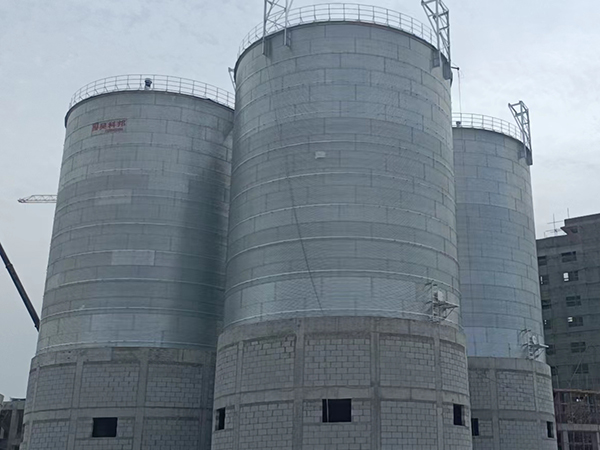
Many people believe that the construction cost of large grain steel silos is high and unaffordable. In fact, although the initial investment is relatively large, the long-term value and benefits of the silo often outweigh the initial cost. Grain steel silos not only have a lifespan of several decades, but their maintenance costs are also low. Enterprises can recover their investment and achieve considerable economic benefits through efficient storage and management over time.
Grain Steel Silo Can Store Materials with Different Humidity Levels
Another misconception is that steel silos can only store dry materials and are unsuitable for high-humidity products. In reality, modern grain steel silos are equipped with advanced ventilation systems and temperature and humidity control devices, which can effectively regulate the internal environment and prevent materials from deteriorating due to moisture. Even when storing materials with higher humidity, steel silos can still provide stable storage conditions.
Long Service Life, Durable Use
Many people worry that grain steel silo have a short service life. However, this is a misunderstanding. Steel silos are typically made of high-strength steel and undergo anti-corrosion treatment, allowing them to effectively resist environmental corrosion and wear. With proper use and regular maintenance, the service life of a steel silo can far exceed expectations. Regular inspections, repairs, and maintenance are key to ensuring its long-term operation.
Safety and Resistance to Natural Disasters
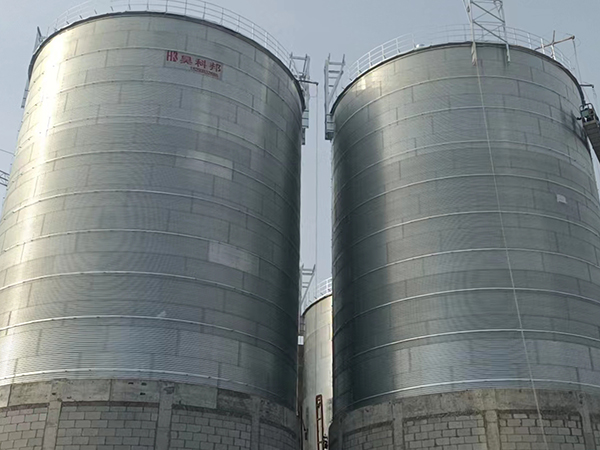
Some believe that grain steel silos are vulnerable to natural disasters such as storms and earthquakes. In fact, modern steel silos are designed with considerations for seismic and wind resistance, which can effectively withstand common natural disasters. During the design process, engineers perform scientific calculations based on local environmental conditions to ensure the structural safety of the silo.
Professional Management Knowledge is Essential
Some users think that managing a grain steel silo only involves simple loading and unloading of materials. In fact, using a grain steel silos requires specialized knowledge, such as understanding the characteristics of the materials, managing storage conditions, and controlling the internal temperature and humidity. Enterprises should regularly provide training for their management personnel to ensure they have sufficient knowledge to manage the silo efficiently and safely.
Regular Maintenance is Crucial
Many users believe that they do not need to perform regular checks as long as the grain steel silos is functioning normally. In reality, regular maintenance is still essential. Even when the silo is in normal operation, it is important to periodically inspect the appearance of the silo, welding points, and coating integrity. Early identification of potential issues can prevent major damage and extend the silo’s service life.
Scientific Design to Maximize Space Utilization
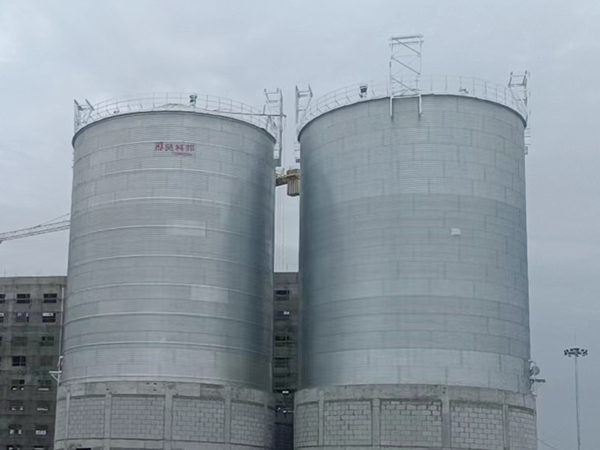
When selecting a grain steel silos, many users overlook the layout and design of the warehouse, resulting in insufficient space utilization. A scientifically designed storage layout can greatly improve space efficiency and increase storage capacity. Therefore, when selecting a grain steel silos, it is advisable to cooperate with a professional design team to ensure that the warehouse design is both practical and efficient.
Choose the Right Type of Grain Steel Silo
There are various types of grain steel silos on the market, and different types are designed for different functions. Some steel silos are more suitable for storing granular materials, while others are better suited for powdery materials. When selecting a grain steel silos, users should choose one based on the characteristics of the material being stored to ensure efficient storage and prolong the silo’s service life.
Environmental Protection Performance is Well-Guaranteed
Many people are concerned about the environmental impact of grain steel silos. In fact, modern steel silos focus increasingly on environmental protection during the design and production process. For example, many steel silos are made from recyclable materials, and the storage methods are designed to minimize environmental impact. As a result, modern grain steel silos not only provide efficient storage capabilities but also meet environmental standards.
By properly understanding and managing large grain steel silos, enterprises can improve storage efficiency. They can also reduce operating costs and ensure the safety and quality of stored materials.