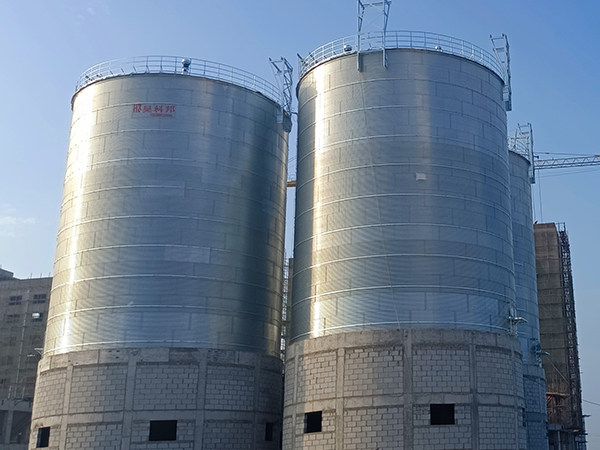
How to ensure the safe use of silos has become an urgent problem that farm managers need to solve. This article will systematically expound the key strategies for ensuring the safety of farm silos from four aspects: silo structure safety, operation norms, environmental management, and emergency measures.
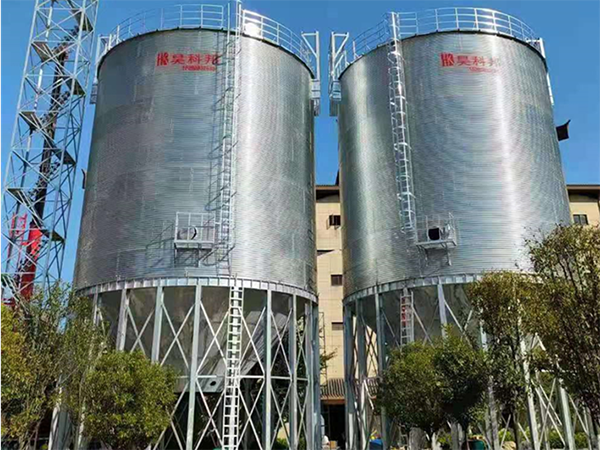
Silo Structure Safety: Strengthening the Foundation of Safety
The safety of silos primarily depends on their structural design and construction quality. Modern farm silos are mainly divided into two types: reinforced concrete silos and steel plate silos. Each type has specific safety requirements in design and maintenance.
Select high-quality materials
Steel plate silos should be made of steel with high corrosion resistance and rust prevention performance, and the anti-corrosion coating should be inspected regularly.
Concrete silos must ensure that the concrete strength meets the standards and the steel bar layout is reasonable to prevent the silo structure from being damaged by the pressure caused by long-term grain storage.
The structural design is scientific and reasonable
The height-to-diameter ratio of silos should comply with national standards. For silos that are too high, reinforcing support structures should be set up.
The force state of the silo during the grain storage process must be taken into account, including lateral pressure, static pressure and expansion pressure caused by changes in temperature and humidity.
The layout of entrances and exits, maintenance openings and ventilation outlets should be reasonable to facilitate the safe entry and exit of operators and maintenance.
Regular inspection and maintenance
The silo should be comprehensively inspected at least once a year, with a focus on checking for cracks in the silo wall, corrosion of steel plates, and looseness of supporting components to ensure structural safety.
Any cracks and damage found should be reinforced or replaced in time to ensure long-term stable operation of the silo.

Operating Norms: Standardized management is the key to safety
Even if the silo structure is safe, accidents may still occur if the operation is not standardized. Establishing scientific operating procedures is the core measure to ensure the safety of silos.
Preparations before storing grain
Before storing grain, silos must be cleaned to remove residual grain, dust and mold, to prevent the growth of microorganisms during the grain storage process.
Check whether the ventilation equipment and temperature and humidity monitoring equipment are working properly.
Process control of grain storage
Grain should be evenly stacked when stored in the warehouse to avoid excessive accumulation in certain areas, which may cause lateral pressure.
Strictly control the moisture content of grain, generally less than 14%, to prevent the risk of grain heating, mildew and spontaneous combustion.
Operators should wear protective equipment to avoid respiratory problems caused by inhaling dust inside the silo. Monitoring and management.
Monitoring and Management
Use temperature and humidity sensors to monitor the internal environment of the silo in real time and detect abnormalities in time.
Regularly take samples to check grain quality to prevent mildew, insect damage or excessive mycotoxins.
Establish a record ledger to track the storage time, source and management of each batch of grain to facilitate tracking and management.
Environmental Management: Creating a safe grain storage environment
Silo safety not only depends on the internal structure, but also is closely related to the surrounding environment and management.
Ventilation and moisture prevention
Silo should be well ventilated to prevent moisture accumulation.
Set up a drainage system around the silo to prevent rainwater accumulation from causing moisture at the bottom of the silo.
Fire prevention and explosion prevention measures
Grain dust is flammable. Open flames should be prohibited around the silo. Dust deposits on the top and around the silo should be cleaned regularly.
Install fire alarm systems and automatic sprinklers to reduce fire risks.
Electrical equipment should be designed to be explosion-proof to prevent explosions caused by sparks from grain dust.
Pest and rodent control
Regularly apply safe insecticides and rodent control facilities, and keep the silos clean.
Strengthen environmental sanitation in surrounding farmland and grain storage areas to reduce the possibility of pest invasion.
Emergency Response Plan: Prevent Problems before they Occur
Even with a sound structure and operational norms, emergencies may still occur. Therefore, establishing an emergency response plan is the last line of defense to ensure the safety of silos.
Fire emergency response
Establish a fire alarm and fire extinguishing linkage mechanism to ensure rapid handling of fires in the early stages.
Regularly organize fire drills for employees to enhance their emergency response capabilities.
Emergency response for spontaneous combustion and mold of grain
Set a temperature alarm for the grain. Once the temperature exceeds the safe range, ventilate or turn over the warehouse in time.
Isolate moldy grains in a timely manner to prevent their spread.
Accident Records and summaries
After any safety accident occurs, the cause of the incident, the handling method and the result should be recorded immediately.
Regularly analyze accident cases, optimize management processes and operational norms, and reduce the recurrence of similar problems.
Conclusion
The safe use of farm silos is a systematic project, involving multiple aspects such as structural design, operation norms, environmental management and emergency response plans. Through scientific construction, strict operation, regular maintenance and improved emergency management, farm managers can not only effectively ensure the safety of silos, but also enhance the quality of grain storage, reduce economic losses and ensure the continuous and stable production. The development of modern agriculture requires us to constantly optimize silo management strategies to provide a solid guarantee for food security and the sustainable development of farms.