
Before diving into the economic advantages, it’s essential to understand [what a rice silo is] and how its specialized engineering differs from traditional flat warehouses.”
The Basic Principles of Rice Silo
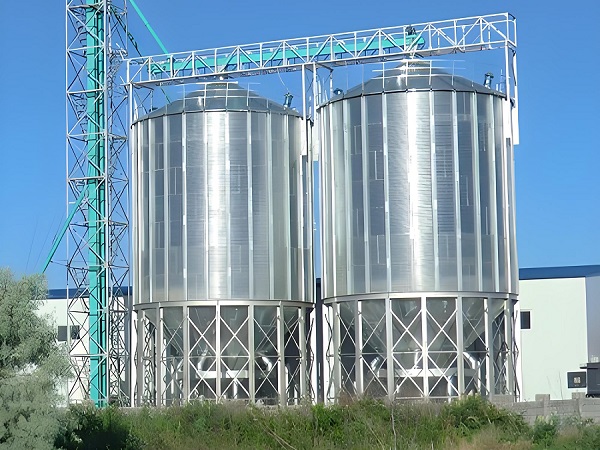
Rice silo are a closed grain storage facility. They are generally built with galvanized steel plates or concrete. They are strong and durable and have good sealing properties. Rice is usually stacked from top to bottom after entering the warehouse for easy unified management. The silo is equipped with ventilation and temperature and humidity adjustment equipment, which can also monitor the environment in the silo at any time to prevent rice from getting damp or quality decline. In this way, rice can be kept fresh and safe even if stored for a long time. To achieve these benefits, selecting a silo that matches your specific site conditions is key; learn more about how to choose a suitable metal grain silo to ensure the best protection for your harvest.
Effectively Preventing Mold and Pests
In traditional grain warehouses or simple storage environments, moisture and pests are often difficult to completely isolate. Once the conditions are suitable, rice is easily moldy or attacked by pests in a short period of time. In contrast, rice silo rely on a closed structure and a complete ventilation and airtight regulation system to effectively reduce moisture accumulation and inhibit the growth of mold and pests. For enterprises that require long-term storage or large-scale acquisition, this method not only significantly reduces food loss, but also improves the safety and stability of the storage process. This makes it a [core solution for efficiency and quality assurance]in the modern food supply chain.
Controllable Temperature and Humidity Reduce Storage Risks
During the storage process of rice, temperature and humidity are the most likely factors to affect quality. If there is too much water, the grain pile will easily heat up, mold or rot. The current rice silo is equipped with monitoring equipment, so you can observe the situation in the silo at any time. Once abnormalities are found, ventilation or cooling equipment will be activated for adjustment. In this way, rice is safer and can maintain good quality during long-term storage. For facilities operating in hot and humid regions, understanding [how to prevent rice loss in tropical climates] is essential to maximize these protective features.
Improving Storage and Management Efficiency
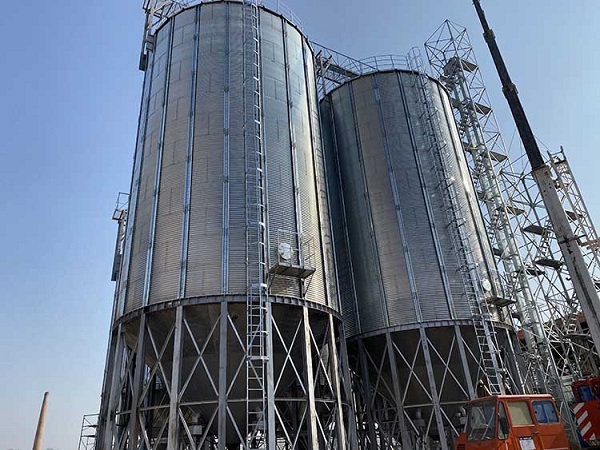
For grain processing plants, purchasing stations or large farms, efficient storage management can directly save costs. The rice silo is equipped with mechanized or automated loading and unloading systems, and grain is quickly entering and leaving the silo, saving a lot of manual operations. Compared with traditional warehouses, silos not only make full use of space, but also facilitate refined management, making enterprises more efficient and worry-free in acquisition and sales. Explore our range of automated [rice storage silo systems] to see how technology can streamline your operations.
Maintaining Grain Quality and Increasing Market Value
The quality of rice directly affects the market price. Using rice silo storage can keep the grains original color, aroma and taste throughout the storage process, while minimizing the loss of nutrients. Rice with better quality is more popular in the market and also helps to improve sales prices and competitiveness. For farmers and enterprises, this means that the returns are more secure.
Conserving Land and Space Resources
Traditional grain warehouses occupy a large area, and in order to distinguish different batches of grain, they usually need to be stored separately, which is more troublesome to manage and easily waste land resources. In contrast, rice silo adopt three-dimensional storage, which covers a small area but can store more food. This design is particularly suitable for areas with limited land and is also in line with the trend of modern agriculture pursuing intensive development.
Meeting the Needs of Modern Agriculture and Food Security
With global population growth, food security issues are becoming increasingly prominent. Rice silos not only meet the needs of large-scale storage, but also ensure stable grain quality, meeting modern food security standards. Furthermore, the silo’s automated and intelligent management model aligns with the development of agricultural modernization. Whether from a national food security strategy or a corporate perspective on cost control and quality assurance, rice silos offer irreplaceable value.
Long-term Investment Value
For farmers or grain companies, building a rice silo is not only a short-term storage option, but also a long-term investment. The silo has a long service life, relatively low maintenance costs, and can be continuously adapted to new intelligent equipment. This means that one investment can continue to bring benefits over many years, while enhancing the core competitiveness of enterprises in the grain storage and storage process.
Conclusion
Store rice in rice silo is an inevitable choice for modern agricultural development and food security guarantee. It not only effectively avoids mold and pests, but also controls temperature and humidity and maintains the quality of food. For farmers and enterprises, the efficient management and economic benefits of silos have become an important means to enhance market competitiveness. With the acceleration of agricultural modernization, As the role of rice silos becomes more prominent, staying informed on [what you need to know about rice silo] maintenance and industry standards will be vital for future success. the role of rice silos will become more prominent, and will surely play a more critical role in the grain industry chain in the future.


