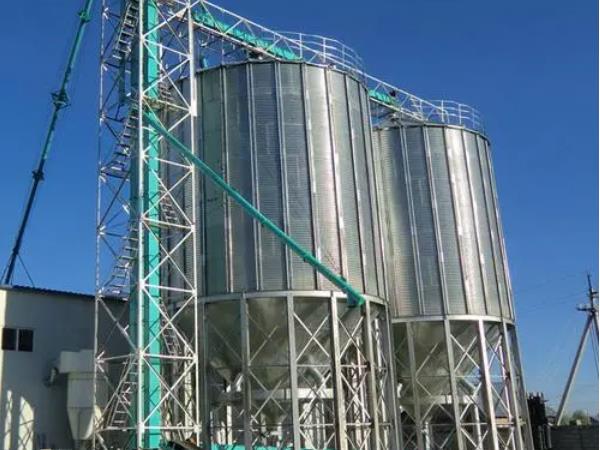
This article will take you to have a comprehensive understanding of different types of silo and analyze their characteristics, uses and applicable industries.

Common Silo Types and Uses
Tower Silo
Tower silos are the most representative type, with their tall cylindrical appearance that is recognizable.
Use: It is mostly used to store grains, silage and other bulk agricultural products.
Common Materials: Concrete, stainless steel, precast concrete slabs.
Advantages: The vertical structure of the silo not only saves the floor area, but also ensures the reliability of long-term use.
Case Study: In traditional farms in the United States, common silos are mostly concrete slab tower structures, while in modern facilities, people prefer to use stainless steel with anti-corrosion properties.
Bunker Silo
Unlike vertical tower silos, bunker silos are horizontal.
Purpose: Mainly used for stacking and fermenting silage.
Structure: It consists of concrete walls and plastic cloth for covering, which can effectively isolate oxygen and maintain a low oxygen environment.
Advantages: Easy loading and unloading, can be operated directly with a tractor or loader, and are suitable for large-scale livestock farms.
Grain Bin
Grain Bin is often mistaken for silos, but the two are different in design.
Appearance: Usually shorter and wider than the tower silo.
Purpose: Specially used to store dried corn, wheat, soybean and other grains.
Material: Mostly made of corrugated steel or galvanized metal.
Features: Equipped with a bottom discharge system for quick grain removal.

Bagged Silo
Bagged silo are a flexible temporary storage option.
Purpose: They provide additional storage capacity during peak harvest season and can be used for grain and silage.
Features: It is composed of large plastic bags, with good sealing properties and ideal fermentation effect.
Suitable for: Small and medium-sized farms or agricultural operators requiring a temporary solution.
Concrete Silo
Concrete is a classic choice for its high strength and durability.
Formats: They can be constructed as tower silos or silos.
Use: It can not only store grain and feed, but also often used in bulk materials such as wood chips and mineral powder.
Advantages: Resistant to wind and rain, with low risk of long-term use.
Metal Silo
Metal silo are becoming more and more popular in modern facilities.
Material: Stainless steel or galvanized steel plates are mostly used.
Use: Store grain, food grade materials, wood chips, etc.
Advantages: It has good cleaning performance and corrosion resistance, while adapting to changing climates.
Deep Dive: Metal silos, especially modern steel silos, are further categorized by their construction methods—such as Galvanized Spiral, Modular, and Welded types. Each has specific airtightness and structural standards. To understand these technical differences, see our detailed guide on How to Classify Steel Silos and Their Characteristics.
Hypoxia Silo
Hypoxia silo are a special type of silo designed specifically for feed fermentation.
Principle: Restricting oxygen ingress through sealing the environment will promote good fermentation of silage.
Application: Used in livestock farming to maintain the high nutritional value of feed.
Material: Concrete or metal.
Missile Silo (Special Application)
Beyond agriculture and industry, silos also have unique uses in the military.
Function: Serves as underground missile launch and storage facilities.
Structure: It is constructed of reinforced concrete and has fortifications.
Significance: Although it has nothing to do with agriculture, it shows the diversity of the concept of silo.
Repurposing Old Silo
With modernization, many old silos are no longer used for original storage functions, but they are not discarded.
Typical Uses: Convert into a residence, restaurant, cafe or viewing tower.
Successful Cases: In the United States, many granaries have been renovated into event venues, which not only retains historical characteristics but also creates commercial value.
The Importance of Silo Maintenance
Regardless of silo type, lack of maintenance can lead to:
Concrete cracking
Metal rusting
Structural degradation
Deteriorated sealing
These hidden dangers not only push up maintenance costs, but may also pose a threat to stored materials. Only through regular inspection and maintenance can the silo be ensured to maintain the continuous and stable operation of the silo and effectively extend its service life.
COBAN Protects Your Silo
At COBAN, we understand the importance of silos to agricultural and industrial production. We offer:
Professional silo inspections and assessments
Repair solutions for concrete and metal silo
Customized maintenance plans to reduce operational risks
Whether it is the full maintenance of the cereal silo or the structural reinforcement of the bunker silo, COBAN has a wealth of experience and a professional team to help customers keep their facilities at their best. We specialize in all forms of modern storage, from high-capacity welded silos to flexible modular designs, ensuring your investment is protected for decades.
Choosing the Right Silo for Your Project Selecting between a tower, bunker, or a specific metal silo depends on your budget, required service life, and local environment. For a head-to-head comparison of construction times, costs, and durability, read our analysis: Advantages and Disadvantages of Various Steel Silos.
Conclusion
Silo not only plays a key role in agriculture, but also has important value in both industrial and military fields. The form of silos varies depending on storage needs, from common tower silos to flexible bagged silos, they can play their respective roles. For enterprises that need to store large amounts of bulk materials, rational selection of silo types and maintenance of them in the future are important conditions to ensure smooth production and safe storage.
For professional support, COBAN is your trusted partner.
Website: https://www.cobansilo.com/
Mobile: +8615801054617
Email: william@cobansilo.com