The Structure of a Flour Storage Silo
With the development of modern agriculture and the grain processing industry, flour storage silo have become a highly efficient storage solution widely used in grain processing companies and storage systems. These silos not only offer significant advantages in terms of maintaining flour quality and improving storage efficiency, but also demonstrate advanced technological integration in their design. This article aims to enhance readers’ understanding of the structure and functionality of a flour storage silo. It offers a comprehensive explanation of the silo’s main components and their respective operations.

Silo Body Structure
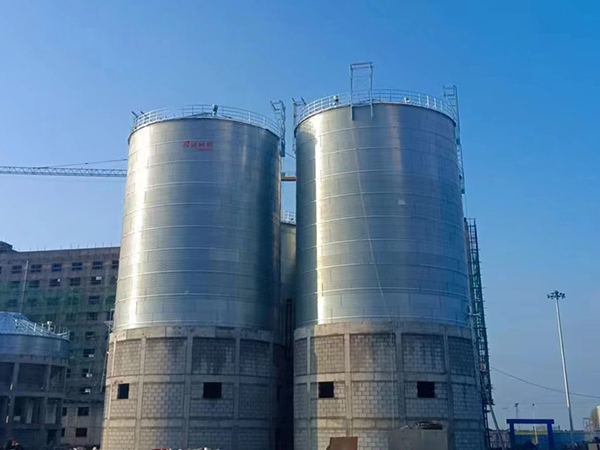
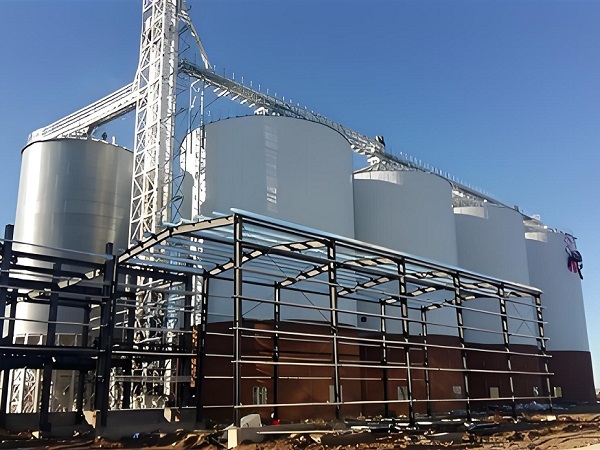
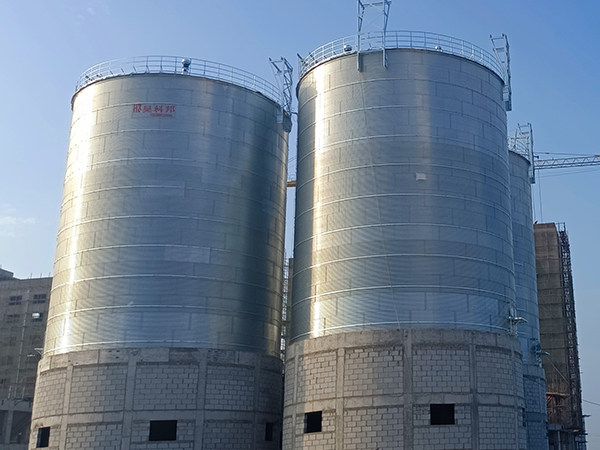
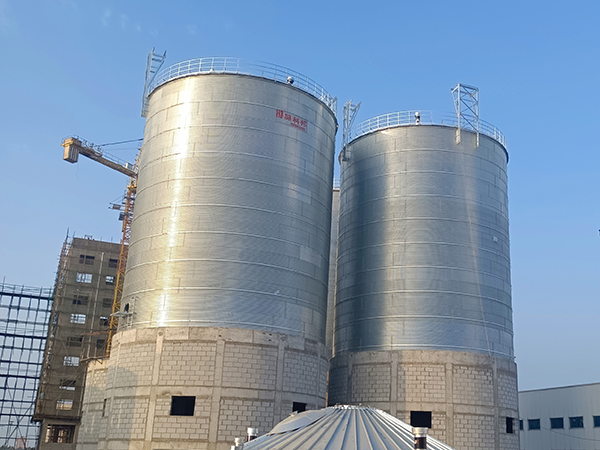
The silo body structure is the core component of a flour storage silo. It is usually made of steel or aluminum alloy to ensure sufficient strength and durability.
- Material selection: The silo body is typically constructed from high-quality galvanized steel or aluminum alloy, with an anti-corrosion coating on the exterior to prevent rust or corrosion over long-term use. The thickness of the steel plate used for the silo body is determined by the storage capacity. This ensures that the silo can withstand significant pressure without deforming.
- Body design: The body is usually cylindrical, as this shape helps distribute pressure evenly across the structure, reducing the impact of the flour on the inner walls and extending the silo’s service life. Additionally, the cylindrical design optimizes the use of vertical space, allowing for larger storage capacities in the same footprint.
Top Structure
The top structure of the flour storage silo comprises the silo roof and the ventilation systems. These elements collaborate to ensure the safety and stability of the environment within the storage silo.
- Roof design: The roof is typically conical, allowing rainwater to drain off naturally and preventing water from accumulating and eroding the silo body. The roof is also equipped with inlets, ventilation ports, and inspection hatches for easy monitoring of the interior conditions.
- Ventilation equipment: To maintain proper air circulation and prevent flour from spoiling due to high temperatures or humidity, ventilation systems are installed on the silo roof. These systems regulate the air quality inside the silo, controlling temperature and humidity to create an optimal environment for flour storage.
Bottom Structure
The bottom structure is a key component of the flour storage silo. It directly influences the efficiency and ease with which flour can be discharged from the silo.
- Conical base: The bottom of the silo is usually designed in a conical or funnel shape to ensure that the flour flows smoothly to the discharge outlet, minimizing any leftover material. The conical base allows the flour to slide down naturally due to its own weight, reducing the need for manual intervention and significantly improving discharge efficiency.
- Discharge system: The bottom of the silo is equipped with an automated discharge system, such as a screw conveyor or pneumatic conveying equipment, ensuring the flour is discharged quickly and evenly. This eliminates the inefficiency of manual handling and allows for flexible control of the discharge speed, depending on production requirements.
Sealing System
The sealing system is essential within the flour storage silo. It prevents moisture and external contaminants from entering, thereby protecting the flour’s quality. This prevention is crucial for maintaining the quality of the stored flour, ensuring it remains unaffected throughout the storage period. The sealing system is specifically designed to keep the flour consistently dry and clean.
- High-efficiency sealing design: Each opening on the silo, especially the top, inlet, and outlet, is equipped with sealing mechanisms to prevent moisture, dust, and pests from entering. This ensures that the internal environment remains hygienic and dry, safeguarding the flour from spoilage or contamination.
- Dust prevention system: Some flour storage silo also feature a dust prevention system, which ensures that no excessive dust is generated when the flour is loaded or unloaded, keeping the surrounding environment clean and reducing health risks for workers.
Temperature and Humidity Control System
Flour is particularly sensitive to temperature and humidity, which are critical factors for maintaining its quality. Therefore, the temperature and humidity control system is an essential component in the design of a flour storage silo. This system automatically monitors and adjusts the internal conditions to ensure the flour remains in optimal storage conditions.
- Temperature and humidity sensors: Modern silos are equipped with high-precision sensors that continuously monitor the temperature and humidity inside the silo. The data is collected and transmitted to a control system that monitors environmental conditions within the flour storage silo. When the readings exceed the preset limits, the control system automatically adjusts the environment by taking actions such as activating ventilation to regulate temperature and humidity.
- Automated adjustment system: The temperature and humidity control system in flour storage silos is designed to automatically respond to environmental changes. It adjusts the internal conditions accordingly to maintain the desired storage environment. For instance, when the humidity rises, the system activates dehumidifiers to prevent the flour from becoming damp. The system also makes seasonal adjustments, ensuring the flour is stored in ideal conditions year-round, extending its shelf life.
Automated Management System
The automated management system is a crucial component of modern flour storage silos. It significantly enhances the operational efficiency and management capabilities of the silo by streamlining various processes.
- Intelligent monitoring: Using various sensors installed inside the silo, the automated management system continuously monitors key indicators such as temperature, humidity, and storage levels. Operators can access this data remotely via control panels or mobile devices, keeping track of the silo’s operation in real-time.
- Automated loading and unloading system: This system supports fully automated loading and unloading processes, drastically reducing the need for manual labor and cutting operational costs. The automated system efficiently manages the entire process, from loading flour into the silo to discharging it when required. This automation ensures a smooth and efficient workflow throughout the operation.
Safety Protection System
The safety protection system is a critical component of the flour storage silo. It ensures the secure operation of the silo by preventing accidents. Additionally, it plays a vital role in protecting both the equipment and the personnel involved.
- Explosion-proof design: Since flour dust can pose an explosion risk under certain conditions, flour storage silo are often designed with explosion-proof features. The safety measures in flour storage silos include anti-static coatings, specialized ventilation systems, and fire prevention measures. These components work together to prevent dust accumulation and static electricity, reducing the risk of explosions.
- Automated alarm system: The automated alarm system in flour storage silos is designed to detect any irregularities in temperature, humidity, or equipment performance. Upon detection, it promptly notifies the operators, enabling them to take the necessary actions to prevent accidents.
Conclusion
Flour storage silo feature advanced structural designs and automated systems, setting them apart. They have become essential equipment in the realms of modern grain processing and storage management. The silo body, top structure, bottom structure, sealing system, temperature and humidity control system, automated management system, and safety protection system all work together to ensure that the stored flour remains in optimal condition. These silos not only enhance storage efficiency but also maintain the quality and safety of the flour. Technological advancements continue to reshape the landscape of grain processing. As a result, flour storage silos are poised to play an increasingly significant role within the industry. They offer efficient and reliable solutions that will meet the storage needs of the future.