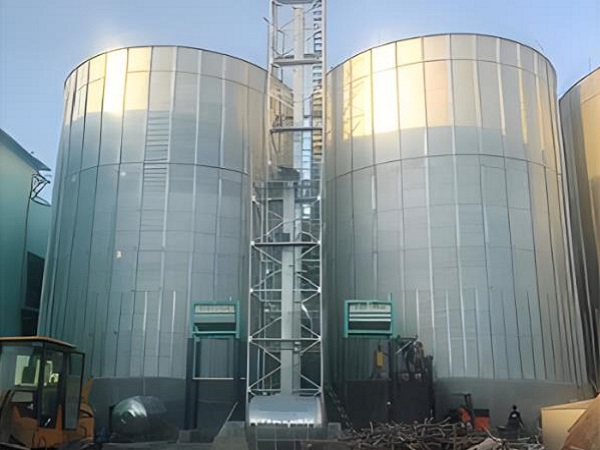
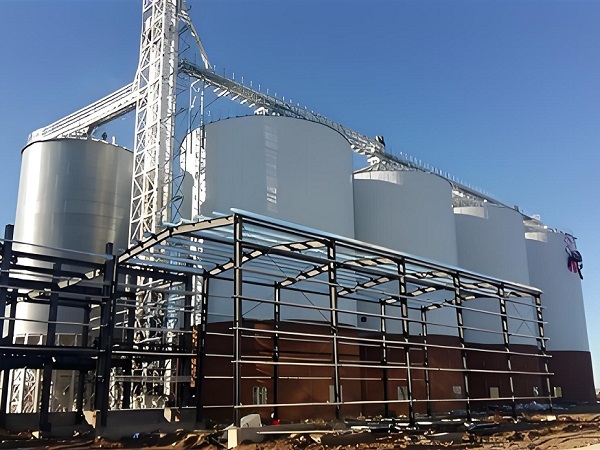
Structure of Malt Silo
Malt silo are essential equipment in the beer brewing and food processing industries, primarily used for storing and safeguarding large quantities of malt. The structural design of a malt silo is directly related to storage efficiency, malt quality protection, and overall production effectiveness. A high-quality malt silo typically consists of the silo body, sealing system, temperature and humidity control system, ventilation system, loading and unloading system, and cleaning and maintenance system. Each of these components works together to create a stable, reliable, and efficient storage environment. This article will explore the main structural components of malt silos and discuss the role and importance of each component.
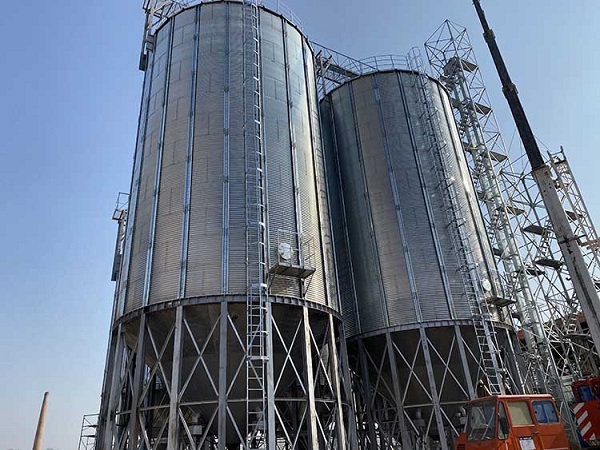
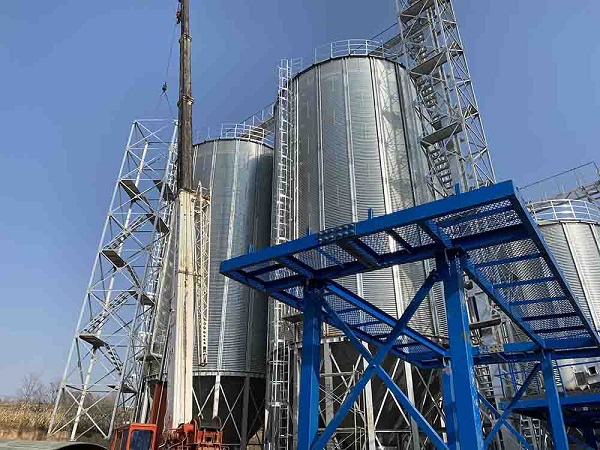
Silo Body
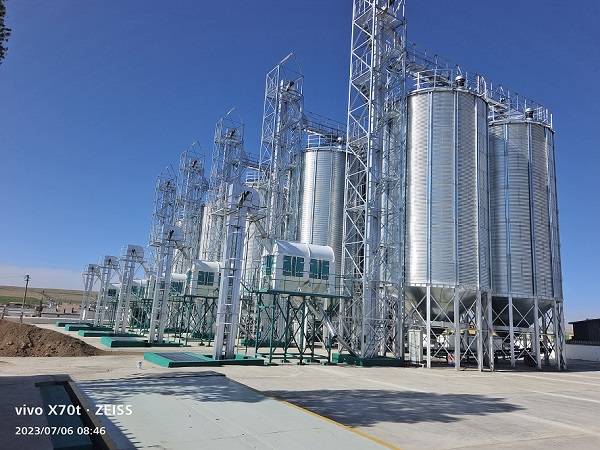
The silo body forms the main structure of a malt silo, designed to hold substantial quantities of malt. Silo bodies are typically constructed from high-strength steel or galvanized metal, materials that offer robust corrosion resistance and support the weight of stored malt over prolonged periods.
The cylindrical design of the silo body ensures uniform internal pressure distribution, which allows for effective sealing and layer-by-layer storage. The thickness and height of the silo body are customized based on storage needs and capacity. Insulating material often covers the exterior to block external temperature influences and maintain optimal internal storage conditions for malt.
Sealing System
The sealing system is a crucial structure within malt silo, primarily responsible for maintaining airtightness to prevent air, moisture, and pests from entering. Malt requires specific humidity and temperature conditions for optimal storage; without an effective sealing system, air circulation and moisture infiltration could accelerate malt oxidation and spoilage, compromising quality.
The sealing system generally includes multiple sealing rings and gaskets installed at inlet and outlet openings, maintenance hatches, and observation windows to ensure secure seals. Advanced malt silo often employ multi-layer sealing designs, which maintain internal stability even when external conditions fluctuate.
Temperature and Humidity Control System
The temperature and humidity control system plays an essential role in malt silo, monitoring and adjusting internal temperature and humidity to ensure ideal storage conditions. Malt is highly sensitive to both factors, as excessive temperature and humidity can lead to mold growth or other quality issues.
This system typically consists of temperature and humidity sensors and automatic regulators. These sensors continuously send internal climate data to the control system. If the temperature or humidity levels exceed preset thresholds, the system activates the necessary equipment, such as fans or dehumidifiers, to stabilize the silo environment.
Ventilation System
The ventilation system is essential for ensuring proper air circulation within malt silo. Malt emits slight moisture and gases during storage, and without adequate ventilation, internal humidity and temperature would rise, negatively impacting quality and storage safety. The primary function of the ventilation system is to expel humidity and excess heat, ensuring fresh air circulation.
Ventilation systems usually include fans, air filters, and ducts. Fans actively extract moist air, while air filters prevent dust and particles from entering, thus minimizing contamination. Some high-end ventilation systems in malt silo also adjust automatically based on changing temperature and humidity levels, keeping the air clean and fresh.
Loading and Unloading System
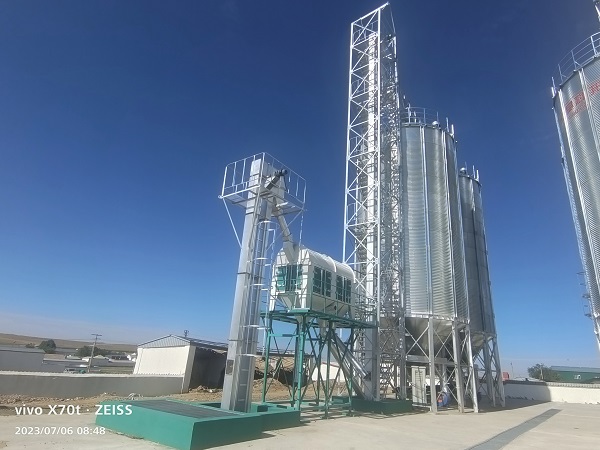
The loading and unloading system is a critical component responsible for transferring malt into and out of the silo. The efficiency of this system directly affects production continuity and productivity. Generally, the system includes inlets, outlets, and transport devices like conveyors or screw conveyors, all designed to facilitate rapid and efficient loading and unloading.
The inlet is designed for secure sealing and weight support to prevent leaks or clogs during large-scale malt entry. The outlet is often equipped with anti-leak devices and flow adjustment systems to ensure a smooth malt flow at a pre-set rate. Advanced loading and unloading systems also incorporate automated controls that adjust according to production requirements, significantly improving productivity.
Cleaning and Maintenance System
After extended use, malt silo accumulate residues and dust, impacting hygiene and malt quality, making regular cleaning and maintenance essential. The cleaning and maintenance system includes automatic cleaning devices, inspection hatches, and cleaning tools to ensure a clean and safe environment within the silo.
Automatic cleaning equipment is typically installed at the silo’s base and walls, designed to remove accumulated malt residue and dust. Inspection hatches allow for safe entry for maintenance personnel, facilitating manual cleaning when needed. Some malt silo even include automatic dust removal systems, reducing the impact of dust on stored malt.
Automated Control System
The automated control system is a key component in modern malt silo, enabling automated monitoring and control of the silo’s various functions.Through the automated control system of malt silos, operators can easily access real-time storage status and environmental data. This allows them to make necessary adjustments, such as regulating temperature and humidity or modifying the loading and unloading speed.
The control system includes core components such as control panels, displays, sensors, and actuators. Operators set parameters via the control panel, while the display shows real-time internal data. Sensors collect data, and actuators carry out operations based on control system commands. The automated control system significantly enhances efficiency and safety, minimizing the risk of manual errors.
Conclusion
In summary, malt silo consist of the silo body, sealing system, temperature and humidity control system, ventilation system, loading and unloading system, cleaning and maintenance system, and automated control system. These components work in harmony to provide a secure, stable, and efficient storage environment for malt. Malt silos, designed scientifically and equipped with advanced management technology, play a crucial role in protecting the quality of malt. They also contribute to improving production efficiency and reducing operational costs. Advancements in malt silo technology are leading to more widespread and intelligent applications in the beer and food processing industries. This progress provides robust support that will contribute to the growth and development of these industries.