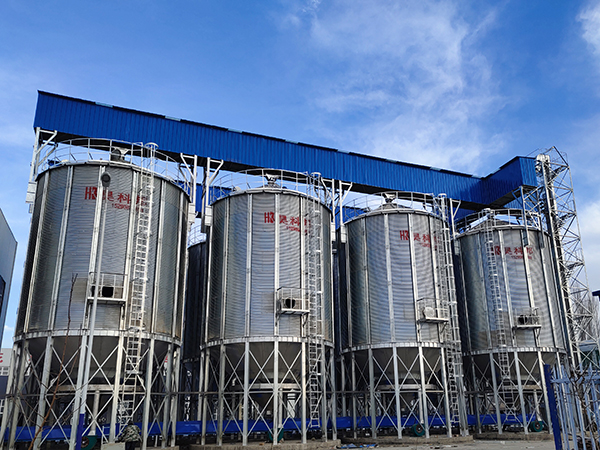
Structure Composition of Wheat Silo
Wheat silo are essential facilities in agricultural production and storage systems, primarily used for storing wheat and other grains. In modern agriculture, the rational planning and design of wheat silo structures not only improve storage efficiency but also minimize losses and extend the storage life of the grain. The structural composition of wheat silos typically involves several key components. This article will explore the structure of wheat silo, focusing on the overall framework, material selection, ventilation system, temperature and humidity control, and safety features.
Overall Structure of Wheat Silo
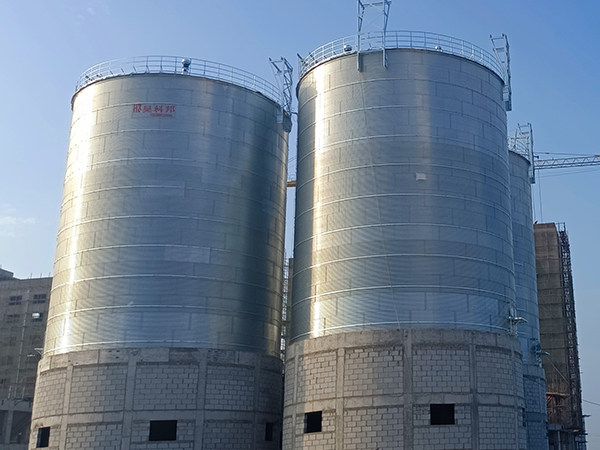
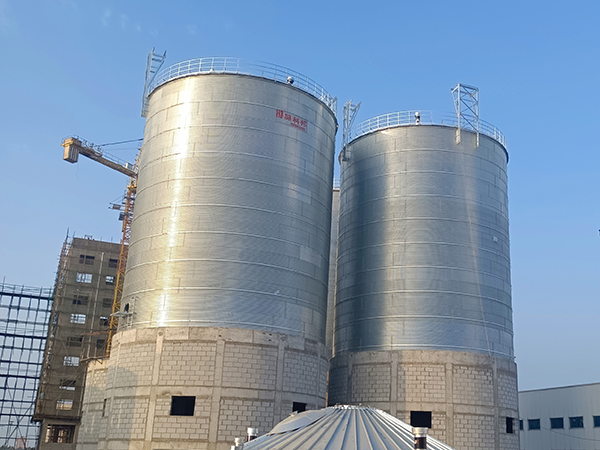
The basic structure of a wheat silo consists of three main parts: the foundation, the silo body, and the roof.
The foundation is the core support of the silo structure, primarily made of high-strength materials like concrete, ensuring the silo does not settle or tilt under full load conditions. Wheat is a relatively dense grain, and its uneven weight distribution must be considered in the foundation design. A well-designed foundation guarantees the stability and longevity of the silo.
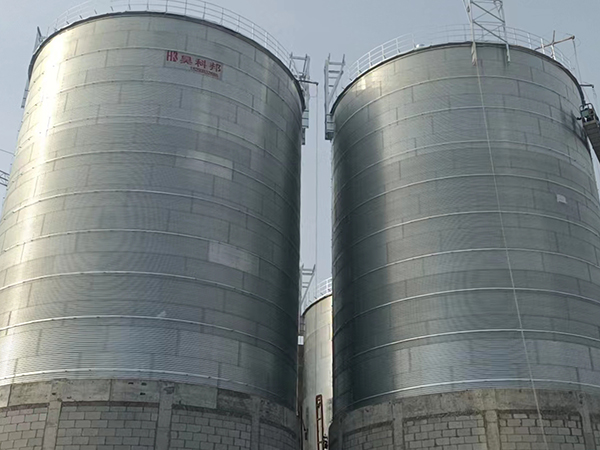
The silo body forms the main part of the structure, usually cylindrical or rectangular. The height and diameter of the silo body are designed according to storage capacity needs, with most silos being tall to maximize vertical storage space. Steel or concrete is commonly used for the silo body, providing high compressive strength and corrosion resistance. The cylindrical design allows for a more uniform distribution of internal pressure, reducing the risk of deformation. In addition, the surface of the silo body is often specially treated to protect the wheat from external environmental factors during long-term storage.
The roof is the uppermost structure of the silo, typically made from metal or other waterproof materials, preventing rain, dust, and other external elements from entering the silo. The roof is also designed with a slope, allowing water to drain off smoothly and preventing corrosion or leaks caused by water accumulation.
Importance of Material Selection
The choice of materials for wheat silo construction directly impacts its lifespan and storage efficiency. Steel and concrete are the primary materials used.
Steel is widely used in the construction of the silo body due to its high strength and malleability. It can withstand the immense pressure of wheat inside the silo while maintaining structural stability. To protect steel from corrosion during storage, modern silos often coat the steel surface with zinc or apply paint to ensure durability.
Concrete is commonly used for the silo’s foundation and walls, especially for larger silos. It offers high durability and compressive strength, capable of withstanding the long-term gravitational forces of stored wheat and external pressure on the silo body. To further enhance storage efficiency, an inner moisture barrier is sometimes added to prevent humidity from rising and causing wheat to spoil or mold.
Ventilation System in Wheat Silo
A well-functioning ventilation system is an indispensable part of wheat silo structures. Since wheat is an organic material that naturally releases heat during storage, poor ventilation can lead to rising temperatures and humidity levels inside the silo, which can cause spoilage or mold growth.
The ventilation system typically consists of ventilation ducts, fans, and air conditioning equipment. Fans introduce fresh air into the silo to ensure continuous airflow, preventing excessive heat buildup. Ventilation ducts are strategically placed at the base or sides of the silo to distribute air evenly throughout, minimizing temperature variations. This is especially crucial in hot or humid climates, where a good ventilation system can significantly reduce the risk of wheat spoilage.
Temperature and Humidity Control and Monitoring
The storage environment in wheat silo is critical for maintaining the quality of the stored grain, making temperature and humidity control systems essential. Modern silos are usually equipped with advanced temperature and humidity sensors that monitor the internal conditions in real time.
The control system in the silo is designed to monitor the internal temperature continuously. If the temperature becomes too high, it automatically activates fans or other cooling devices to reduce the temperature accordingly. Similarly, the humidity control system uses dehumidifiers to remove excess moisture from the silo, ensuring that the storage environment remains dry. Wheat, when exposed to high humidity for extended periods, can absorb moisture from the air, leading to mold growth, spoilage, or even pest infestations. Thus, temperature and humidity control systems play a crucial role in maintaining the long-term quality of stored wheat.
Safety Features and Smart Management
The safety of wheat silo is another critical aspect of their design. During construction, silos are designed to prevent fire, theft, and pests.
Fire prevention in silos is addressed by incorporating fire-resistant materials into the construction of the silo body. This ensures that the exterior is capable of withstanding accidental fires, providing a robust protective barrier. Many silos are fitted with fire alarms and smoke detectors as part of their safety measures. These devices ensure that prompt action can be taken in the event of an emergency.
Pest control includes regular disinfection of the silo and the installation of well-sealed insect screens to prevent infestations.
As technology advances, more wheat silo are incorporating smart management systems that use the Internet of Things (IoT). These systems enable remote monitoring of storage conditions, allowing managers to monitor real-time data on temperature, humidity, and ventilation. Additionally, these systems can automatically adjust environmental conditions based on preset parameters, improving management efficiency.
Conclusion
In conclusion, the structure composition of wheat silo encompasses a range of physical elements. These include the silo’s body, foundation, and roof. Additionally, it involves crucial systems such as ventilation, temperature and humidity control, and safety features. A well-designed silo, supported by advanced management technologies, can enhance wheat storage efficiency, reduce losses, and ensure food security. Technology is continuously evolving, and this progress is expected to make wheat silo increasingly intelligent and efficient. These advancements will provide a solid infrastructure, supporting agricultural production in new and improved ways.