Structure Composition of Corn Silo and Their Functions
In modern agriculture, corn plays a vital role as a major food crop, making its storage and management particularly important. To ensure the quality and safety of corn, the design and structure of corn silo are crucial. This article will delve into the structural composition of corn silos and explore the functions and significance of each component, helping readers better understand this essential facility.

Main Structure of the Silo
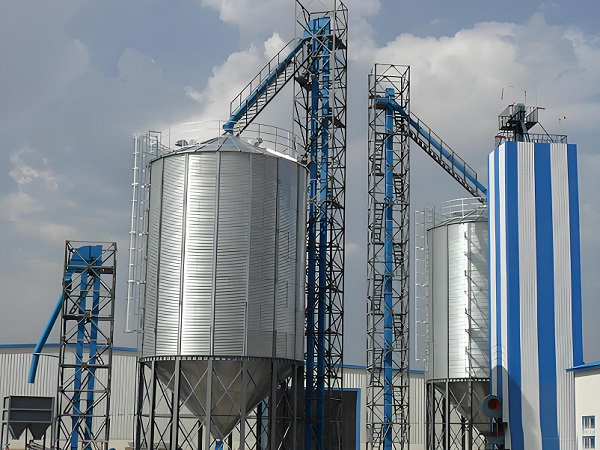
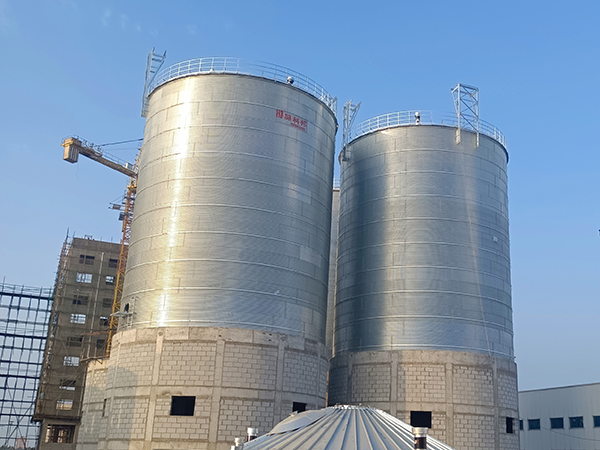
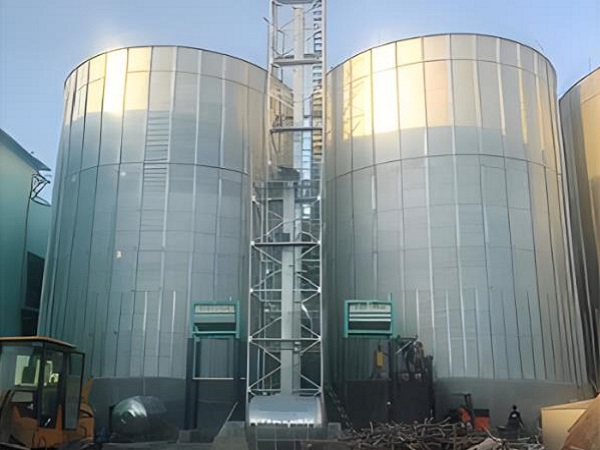
The main structure of a corn silo typically consists of steel or concrete, designed to withstand the weight of the stored corn and external environmental impacts. The stability and durability of the main structure ensure safe storage over long periods. Key characteristics of the main structure include:
- High-Strength Materials: Using high-strength steel or concrete allows the silo to bear the pressure and weight of the corn while resisting external weather influences.
- Sealed Design: The sealed design of the silo effectively prevents moisture and pests from entering, providing a safe storage environment for the corn.
Bottom Structure
The design of the bottom of the corn silo is equally important for corn storage and management. The bottom structure is generally designed in either a conical or flat-bottom style, with specific functions including:
- Emptying System: A conical bottom design facilitates the natural flow of corn, making it easier to store and retrieve. Additionally, the bottom emptying system ensures that corn can be smoothly discharged, reducing storage losses.
- Moisture Control Facilities: The bottom often includes moisture control measures to prevent humid air from affecting the corn stored inside, thereby extending its shelf life.
Ventilation System
A good ventilation system is an essential component of corn silo. It effectively regulates the temperature and humidity within the silo, ensuring optimal storage conditions. The main functions of the ventilation system include:
- Air Circulation: The ventilation system allows for the circulation of air through intake and exhaust ports, maintaining the freshness of the air inside the silo and preventing spoilage due to excessive heat or humidity.
- Temperature and Humidity Monitoring: Modern ventilation systems are typically equipped with sensors to monitor temperature and humidity in real time, automatically adjusting ventilation frequency based on data to ensure optimal storage conditions for the corn.
Loading and Unloading System
The design of the loading and unloading system in corn silo plays a critical role. It directly influences the efficiency with which corn is moved into and out of the silo. The loading and unloading system generally includes:
- Conveying Equipment: Equipment such as screw conveyors and pneumatic systems enables rapid and efficient loading and unloading of corn, significantly improving operational efficiency.
- Automated Control Systems: Many modern silos come with automated control systems that simplify operations, allowing for the loading and unloading of corn with minimal human intervention, thus reducing labor costs.
Monitoring System
To ensure the safety and efficient management of corn silo, monitoring systems are essential. The main functions of the monitoring system include:
- Real-Time Monitoring: Through video surveillance and sensors, managers can monitor the operational status of the silo in real time, promptly identifying and addressing potential issues.
- Data Recording and Analysis: The monitoring system records data such as temperature, humidity, and inventory levels, providing analytical insights that inform future management decisions.
Maintenance and Care Facilities
Proper maintenance and care are vital for ensuring the normal operation of corn silo. Maintenance facilities typically include:
- Inspection Passages: Silos are equipped with inspection passages to facilitate regular checks and maintenance by staff, ensuring that all systems operate smoothly.
- Cleaning Equipment: Corn silo often include cleaning equipment to regularly remove impurities and dust generated during storage, ensuring the quality of the corn inside.
Conclusion
In summary, the structural composition of corn silo is not only complex but also features interlinked functions across various components. The main structure, bottom structure, ventilation system, loading and unloading system, monitoring system, and maintenance facilities are all key components of a corn silo. Together, they form an efficient and secure solution that is tailored for the storage of corn. This multi-layered design effectively safeguards the quality and safety of corn, providing robust support for the development of modern agriculture.
Continuous technological advancements are leading to smarter designs and functionalities in corn silo. As a result, farmers and grain managers will have access to more convenient management tools, enhancing their operational efficiency. Understanding the structural composition of corn silos is crucial for optimizing grain management and storage practices. This knowledge ensures the sustainability and stability of agricultural production by maintaining the quality and safety of stored grains.