Structural Composition of a Rice Silo
A rice silo plays a crucial role in modern grain storage and management. It is used to store and protect large quantities of rice, ensuring the preservation of its quality and safety over long periods. As agricultural technology and logistics management have advanced, rice silo designs have been optimized to meet multiple demands for efficiency, safety, and cost-effectiveness. This article will discuss the structural composition of a rice silo and explore how it effectively facilitates storage, ventilation, and temperature control.


Main Structure of the Silo
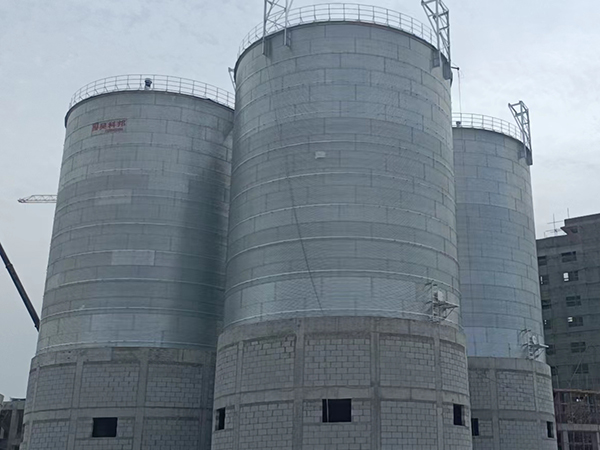
The main structure forms the core of a rice silo. Typically, the exterior is built from strong materials such as concrete, steel plates, or fiberglass, which can withstand significant external pressure and provide excellent sealing. This prevents moisture, pests, and other external factors from affecting the quality of the rice stored inside.
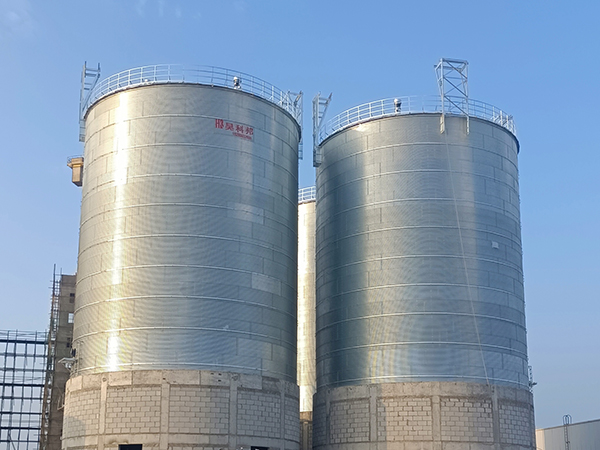
Most rice silos are cylindrical or rectangular in shape, with cylindrical designs being more common. The cylindrical shape maximizes storage capacity while minimizing uneven pressure distribution on the silo walls. The height and diameter of the silo vary depending on the storage capacity needed, and the design ensures a balance between structural stability and storage volume.
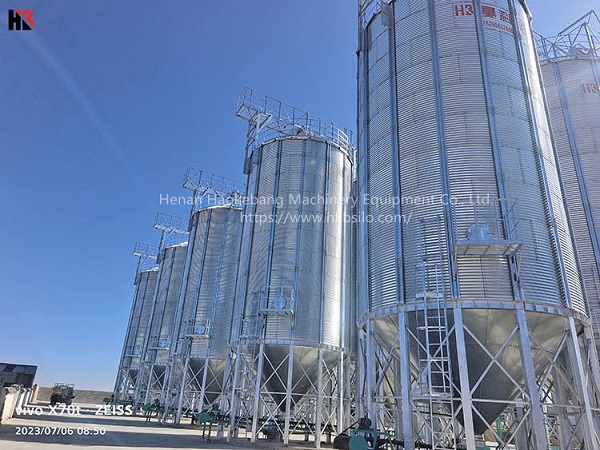
The base of the silo is another essential component. It must be strong enough to support the weight of the rice while also accommodating ventilation and discharge systems. The base can be cone-shaped or flat. Cone-shaped bases facilitate the natural flow of rice, simplifying the discharge process.
Ventilation System
Temperature and humidity are key factors that affect rice quality during storage, making the ventilation system an indispensable part of a rice silo. A typical ventilation system consists of air inlets, exhaust outlets, ventilation ducts, and fans. The main function of this system is to maintain appropriate temperature and humidity levels inside the silo by promoting continuous air circulation, thereby preventing mold growth or insect infestation.
Air inlets are usually located at the bottom or sides of the silo, with exhaust outlets at the top to ensure even air distribution. In modern rice silos, intelligent ventilation systems monitor internal temperature and humidity through sensors, automatically adjusting airflow to maintain ideal conditions.
Temperature Control System
To preserve rice quality during long-term storage, rice silos are equipped with temperature control systems. These systems monitor the temperature of the rice and the surrounding environment, preventing excessive heat or cold from damaging the stored grain.
The temperature control system typically consists of sensors and cooling or heating devices. Sensors are distributed at various heights and locations within the silo to provide real-time temperature data. If a specific area experiences a temperature spike, the cooling devices activate to lower the temperature and prevent spoilage or oxidation of the rice. Conversely, if temperatures drop too low, the system can activate heating devices to maintain optimal storage conditions.
Discharge System
The design of the discharge system in a rice silo directly impacts the efficiency and precision of rice retrieval. Since rice is often stored under high pressure, the discharge system must ensure smooth, even extraction from the bottom of the silo. There are two common discharge methods: gravity discharge and mechanical discharge.
Gravity discharge:relies on the cone-shaped base of the silo, allowing the rice to flow downward naturally due to its own weight. Mechanical discharge uses equipment such as screw conveyors or chain conveyors to transport rice from the silo, making it suitable for large-scale, fast-paced unloading operations.
To prevent blockages, especially after prolonged storage when rice may clump or adhere together, modern rice silos often include vibrating mechanisms or stirrers at the discharge point to ensure smooth rice flow.


Internal Monitoring System
With advancements in technology, modern rice silos increasingly incorporate intelligent management systems. The internal monitoring system, which includes sensors and cameras, tracks storage conditions in real-time. These systems monitor temperature, humidity, and ventilation, automatically adjusting environmental parameters based on the collected data.
In addition, the monitoring system records information such as the storage time, quantity of rice, and each discharge operation, helping managers better control inventory and prevent quality degradation due to prolonged storage.
Sealing and Protective Measures
The sealing performance of a rice silo directly impacts storage effectiveness. Poor sealing allows external air, moisture, or pests to infiltrate the silo, potentially degrading rice quality. Rice silos are designed with tight seals to ensure pest protection. Specialized sealing strips or materials are used on doors, ventilation openings, and intake and discharge points to maintain this seal.
Silos are regularly subjected to fumigation or pest control treatments to protect against infestations. These measures ensure a sanitary and safe internal environment for the storage of rice.
Conclusion
The structural design of a rice silo is a critical component of modern agricultural logistics. It directly impacts both the quality of the stored rice and the economic efficiency of the operation. The main structure, ventilation, temperature control, discharge, and monitoring systems are integral parts of a rice silo. Each component plays a crucial role in ensuring the long-term, safe storage of rice. Technology is continuously evolving, and with it, rice silos are becoming more automated and intelligent. These advancements offer increasingly efficient solutions for global grain storage and management needs.
A deep understanding of the structural composition of rice silos highlights their critical role within the agricultural supply chain. This appreciation of their importance drives further innovation and development in the field of rice storage technology.