What Are the Structural Components of Grain Silo?
Grain silo are indispensable facilities in modern agriculture. Their structural design is crucial for ensuring safe storage, improving storage efficiency, and preserving grain quality. A grain silo is not just a simple storage space, but a complex system designed to work in harmony, providing high-efficiency, safe, and long-term grain storage. This article explores the main structural components of grain silos to help readers understand the essential functions and design principles behind these important agricultural facilities.
Silo Main Structure
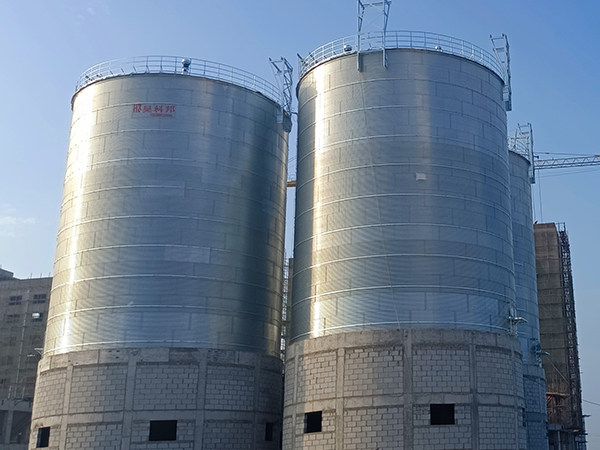
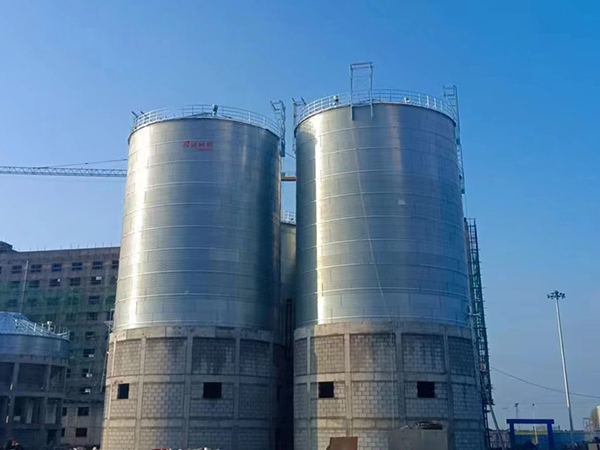
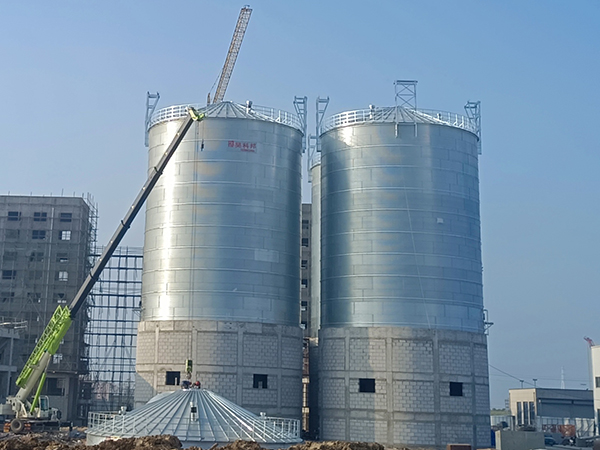
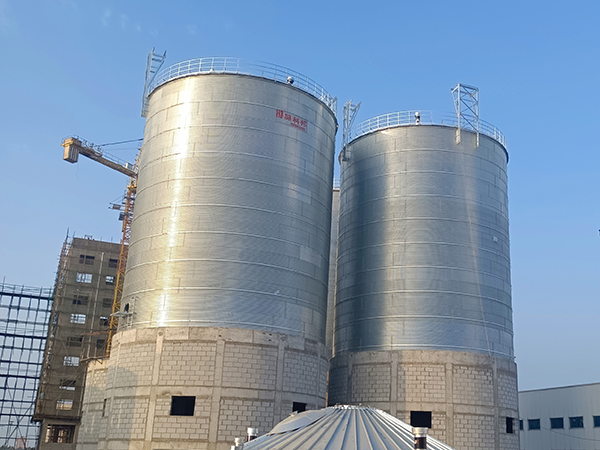
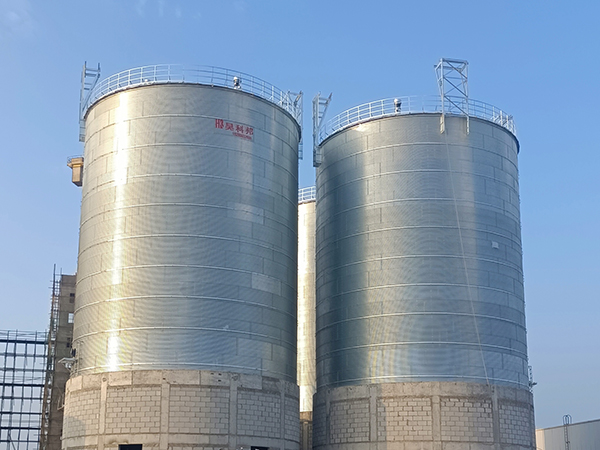
The main structure of a grain silo is typically made of steel or other high-strength materials to ensure sufficient stability and durability for long-term use. Steel silos are the most popular choice due to their excellent compression and seismic resistance.
The silo’s main structure includes the silo walls, the top, and the bottom. These components are carefully welded or bolted together to ensure the overall strength of the silo. The silo walls are usually cylindrical, designed to withstand the weight of the grain and external pressure. The top is specially designed for drainage, ventilation, and lightning protection to ensure safety in different environmental conditions.
Grain Storage Space
The grain storage space is the core component of a grain silo, directly determining its storage capacity. The storage space is often cylindrical, conical, or other specially designed shapes to optimize space utilization and facilitate the entry and exit of grain. To maximize space efficiency, many grain silos are designed to store grain vertically, allowing for a large amount of grain storage on limited land.
The grain distribution inside the silo is designed to be uniform, which helps maintain the quality of the grain and makes it easier to manage during storage. Automated systems are often installed inside to ensure that the grain enters and exits the storage area efficiently, minimizing the risk of damage during handling.
Ventilation System
The ventilation system is a vital part of the grain silo, ensuring that the internal temperature and humidity are regulated to prevent issues like moisture absorption, mold growth, and spoilage. During storage, temperature and humidity changes can affect grain quality, so proper ventilation is crucial.
Modern grain silo are equipped with efficient ventilation systems that consist of fans, ducts, and air vents. These fans circulate air inside the silo, ensuring that the temperature and humidity levels remain balanced throughout the storage process. This reduces the risk of condensation, preventing mold and spoilage.
In more advanced grain silo, temperature and humidity monitoring equipment are integrated into the system. These sensors continuously track the internal conditions and automatically adjust the ventilation system to maintain the optimal environment for grain storage.
Unloading System
The unloading system is an essential part of a grain silo design. Given that large quantities of grain are stored inside, the ability to efficiently and safely unload the grain is critical. While traditional methods rely on manual or mechanical systems, modern grain silos are increasingly adopting automated and intelligent unloading systems.
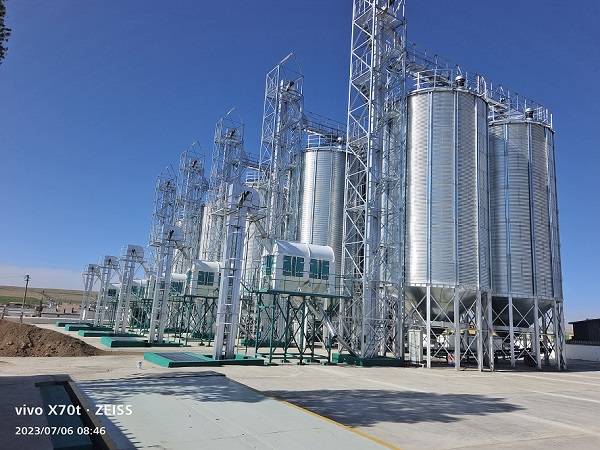
Modern unloading systems typically include conveyor belts, screw conveyors, and unloading ports. These devices work together to automatically handle tasks such as unloading and transporting the grain. In large-scale storage facilities, automation greatly reduces manual labor, increases efficiency, and lowers labor costs.
Temperature and Humidity Control System
The temperature and humidity control system is another important component of a grain silo, directly affecting the quality of stored grain. During storage, temperature and humidity fluctuations can lead to fermentation, mold growth, and nutrient degradation. Therefore, maintaining a stable temperature and humidity level is crucial for grain preservation.
Most modern grain silo feature intelligent temperature and humidity control systems with sensors that continuously monitor the internal conditions. When the temperature or humidity exceeds the preset threshold, the system automatically adjusts the ventilation or heating devices to maintain optimal conditions. This not only ensures the quality of the grain but also reduces energy consumption, improving storage efficiency.
Safety Protection System
To ensure the safety of grain storage, many grain silo are equipped with advanced safety protection systems. These systems include fire prevention, lightning protection, and gas detection to address potential risks and hazards.
Fire prevention systems often feature automatic sprinkler systems and fire alarms that can detect fires and activate extinguishing equipment to prevent damage to stored grain. Lightning protection systems use grounding devices and lightning rods to protect the silo from lightning strikes. Gas detection systems monitor harmful gases like ammonia or carbon dioxide in real time and activate ventilation systems to remove them, preventing the contamination of stored grain.
Monitoring and Management System
As technology continues to advance, many grain silo are equipped with intelligent monitoring and management systems. These systems use sensors, cameras, and other devices to monitor the storage conditions inside the silo, including grain quantity, quality, temperature, humidity, and gas levels. The system automatically records and analyzes the data collected from the silo. This enables operators to remotely check the silo’s status using computers or mobile devices.
The smart monitoring and management system improves the efficiency of grain silo operations and allows for early detection of potential problems, enabling timely intervention and minimizing grain loss. This ensures that grain is stored safely and optimally.
Conclusion
The structure of a grain silo is crucial for ensuring the safe, efficient storage of grain. Components such as the silo’s main structure, grain storage space, ventilation system, unloading system, temperature and humidity control, safety protection systems, and monitoring and management systems work together to maintain optimal conditions for grain preservation. As technology advances, grain silos are poised to become increasingly intelligent and automated. This development will enable them to meet the diverse needs of agricultural production and contribute to more sustainable farming practices.