This article will delve into the definition, working principle, core functions, and construction considerations, and maintenance and management methods of flour silos, providing a comprehensive reference for businesses in terms of flour storage and logistics optimization.

Definition andoles of Flour Silo
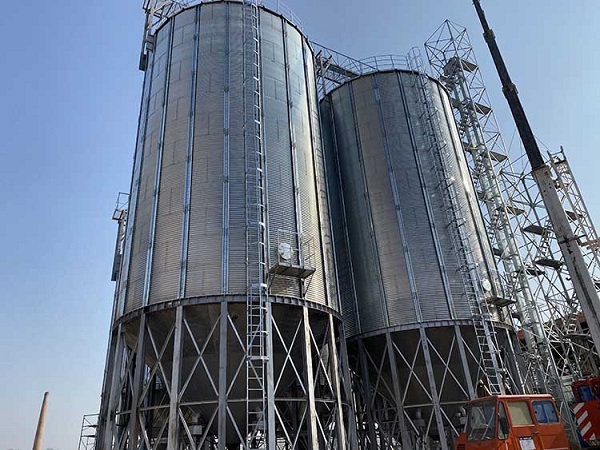
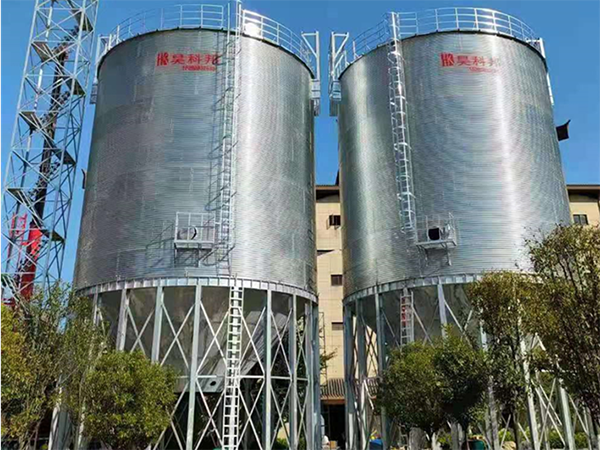
A flour silo is an industrial storage facility designed to store bulk flour, typically constructed with large steel structures. It provides a large capacity storage while creating a controlled storage environment for flour to prevent moisture, pests, and contamination.
The main roles include:
Efficient Storage: The silo features a large capacity design, allowing for centralized storage of flour, meeting the continuous supply needs of the production line.
Environmental Control: By regulating temperature, humidity, and pressure, the flour is maintained in optimal storage conditions, extending the quality cycle.
Food Safety: The equipment structure process meet international food hygiene standards, effectively preventing external contamination and ensuring product safety.
Automated Management: The system integrates functions such as loading, unloading, ventilation, monitoring, enhancing operational efficiency and management level.
Through scientific operation and maintenance, the flour silo can reduce storage losses, maintain product quality stability, and provide reliable support for production.This stability is why many modern factories consider it a strategic investment. Read more about the role of flour silo and its importance.
Working Principle of Flour Silo
The design of modern flour silos combines structural engineering, automated control, and food safety technology. To understand the physical build, you can explore the detailed structural components of flour silo.The core working principle is to achieve safe storage and efficient use of through enclosed storage and automated material handling.
Loading System
Flour is filled into the silo through conveyor belts or pneumatic systems from the top, with level sensors the filling amount in real-time to ensure uniform loading and prevent overflow.
Discharge system
equipped with a gravity chute and gate valve device at the bottom of the silo, precise control of the discharge process can be. The system supports multi-point discharge design, capable of continuously and stably supplying raw materials to the production line.
Aeration and dust removal system
A filter and exhaust device is set at the top of the silo, which can continuously regulate the internal air circulation, moisture retention, and reduce the possibility of dust accumulation causing safety issues.
Temperature and humidity monitoring
Thermocouples and humidity sensors are installed inside the silo combined with automatic cooling or dehumidification equipment, to ensure that the flour is always in a suitable storage environment, reducing quality fluctuations.
Through the collaboration of systems, flour silos can ensure the quality of flour during storage while improving the production efficiency of enterprises.

Key Features of Flour Silo
To meet the demands of modern flour mills for safe and storage, flour silos are equipped with the following critical characteristics:
Quality Steel Structure: The silo walls are made of galvanized steel plates, typically 1416 gauge thickness, which prevents corrosion and rust, and are treated with epoxy resin or polymer coating for easy cleaning.
Automated Control System: Includes level monitoring, and humidity control, pressure protection, and alarm systems for full-process automatic management.
Flexible Size and Layout: Diameter typically 12–45 feet, 30–120 feet, customizable according to production needs and site conditions.
Safety Design: Safety valves, vacuum breakers, and emergency shutdown systems ensure operation, preventing damage to silo structures or personal injury.
Efficient Loading and Unloading: Top loading and bottom unloading systems combined with gravity conveyance and mechanical allow for efficient flour entry and exit from the silo.
These features not only enhance storage efficiency but also help businesses achieve refined management while adhering to strict food regulations.For a deep dive into the business benefits, check out the main advantages of flour silo systems.
Key Points in Designing and Building Flour Silo
When constructing flour silos, every aspect of design and construction must take into account capacity structural safety, and food safety standards. The main considerations include:
Materials and Structure
Steel silos: The mainstream choice, offering high strength, durability and easy cleaning.Beyond materials, the actual setup on-site is a critical phase. Learn about our installation process of flour silo.
Concrete foundation: At least 12 inches thick and reinforced with steel to support the weight of the silo and the internal flour pressure.
Anti-corrosive coating: Internal epoxy resin or polymer coating prevents flour adhesion and contamination.
Site Requirements
A solid, level ground surface a stable foundation.
Good drainage system to prevent moisture from affecting the silo and flour quality.
Appropriate space layout for easy equipment maintenance and safe operation.
Size Planning
Silo capacity needs to be designed according to the needs of the production line. The basic capacity calculation formula is:
Volume = π × Radius² × Height
The actual usable capacity is about 85% of the total capacity, leaving space for equipment installation and maintenance.
Temperature, Humidity and Pressure Management in Flour Silo
Temperature Management: The optimal temperature for storing flour is 15–21°C (60–70°), maintained by a thermocouple monitor and automatic air cooling system.
Humidity Control: Moisture content below 14% is ideal. Pre condensation and mold through insulation, air circulation, and dehumidifying devices.
Pressure Monitoring: Safety valves and vacuum breakers automatically regulate internal silo pressure to ensure safety and prevent dust explosions in case of high or low pressure.
These systems ensure that the quality of the flour does not deteriorate during long-term storage and also guarantee safety of operators and facilities.These protective systems are part of the main functions of a flour silo that Kebang specializes in.
Flour Silo Maintenance and Cleaning
Maintenance and cleaning are crucial steps to ensure the long-term reliable operation silos. Kebang recommends that companies establish a comprehensive maintenance system:
Daily Inspection
Check the appearance of the silo, pressure relief valve, level reading, and equipment operation status.
Pay attention to abnormal sounds, leaks, or material flow blockages.
Weekly Tasks
Use a moisture to measure the humidity inside the silo.
Test the liquid level switch, pressure relief valve, and pneumatic system.
Check the tension and alignment of belts,, and moving parts.
Monthly Maintenance
Clean any flour residue on the silo walls.
Lubricate bearings and chains according to specifications.
Check ladders, platforms, and safety devices.
Cleaning Procedure
Cut off power and mark it as “Do Not Operate.”
Use vacuums and dry cleaning methods to avoid moisture ingress.
Professional personnel should complete high-altitude and internal cleaning to ensure safety.
Through regular maintenance scientific cleaning, flour silos can operate sustainably and efficiently, extending their service life and ensuring food safety.
Common Issues and Solutions
Blockage at the point: Use air pressure or mechanical assistance, and do not enter the silo manually.
Moisture accumulation: Improve ventilation, check seals, and install humidity control equipment necessary.
Equipment wear: Monitor conveyor belts, bearings, and discharge equipment, replace worn parts promptly, and maintain spare parts inventory.
Kebang provides professional service team to handle complex issues beyond routine maintenance, ensuring the long-term reliable operation of silo systems.Explore our full range of flour silo products and specifications.
Advantages of Kebang Flour Silo
As a professional provider of flour silo solutions, Kebang creates value for enterprises through the following ways:
Customized design: Tailor-made silos according to production line requirements and site conditions.
Professional construction and installation: Ensure the steel structure is stable, safe, and compliant with standards.
Intelligent monitoring: Real-time temperature and humidity monitoring and alarm system to reduce risks.
Comprehensive maintenance support: Provides regular maintenance, cleaning, and troubleshooting services.
Scientific silo management can not only improve production efficiency, but also effectively ensure product quality and food safety. Choosing kebang means choosing a set of efficient, safe and reliable flour storage solutions to make business operations more secure and lasting.
Conclusion
Flour silo are not only storage equipment for flour but also core facilities that flour quality, improve production efficiency, and achieve food safety. Through scientific design, intelligent control, and standardized maintenance, enterprises can effectively reduce loss, optimize production processes, and comply with food safety standards.
Kebang provides you with professional flour silo design, construction, installation, and maintenance services to help your business achieve long-term stable and efficient. Contact us to arrange a site assessment, customize the most suitable flour storage solution for your production needs, and make flour storage management worry-free.
Continue Your Learning Journey
Technology: Key Functions of an Industrial Flour Silo
Engineering: Structural Components and Material Standards
Field Work: A Step-by-Step Guide to Silo Installation