Soybean Meal Silo Price: Key Factors and Procurement Guide
As soybean meal plays an increasingly important role in global feed and agricultural production, effectively storing soybean meal has become a key concern for many agricultural businesses and feed processors. The soybean meal silo price has become a crucial factor in the procurement process. This article will explore the factors affecting the price of soybean meal silos, market trends, and how to make informed purchasing decisions.
1. The Importance of Soybean Meal Silo
1.1 Challenges in Storing Soybean Meal
Soybean meal, a by-product of soybean crushing, is high in protein and widely used in the feed industry. Due to its tendency to absorb moisture and clump, improper storage can lead to quality degradation, even affecting its nutritional value. Therefore, selecting the right soybean meal silo is critical for maintaining the quality of the meal. A soybean meal silo provides good ventilation, humidity, and temperature control, ensuring that the soybean meal is not affected by external environmental factors during storage.
1.2 Improving Storage Efficiency
Using a silo system significantly increases the storage efficiency of soybean meal, reducing waste and lowering operational costs. In silos, soybean meal can be managed with automated loading and unloading systems, greatly improving work efficiency. Additionally, good sealing can extend the storage time, allowing businesses to respond more flexibly to market fluctuations.
2. Factors Affecting Soybean Meal Silo Price
2.1 Material Selection
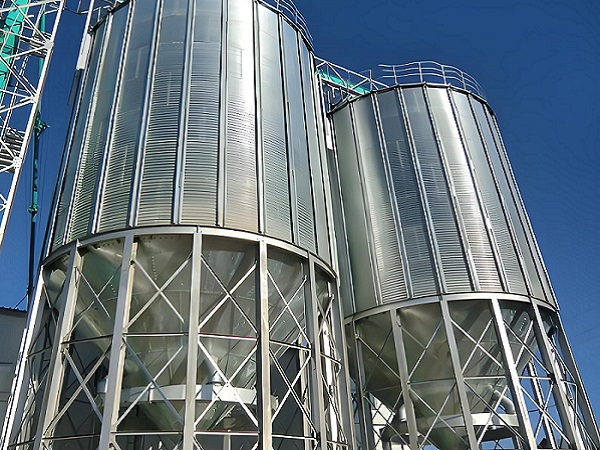
The material of a soybean meal silo is one of the primary factors influencing its price. Silos are typically made from steel, stainless steel, or galvanized steel. Steel is widely used due to its durability and load-bearing capacity, but stainless steel silos, with superior corrosion resistance, tend to be more expensive. Additionally, the thickness and quality of the material will impact the overall cost of the silo. Businesses need to balance material cost and performance based on storage volume and local climate conditions.
2.2 Silo Capacity
The capacity of the silo is directly related to the price—the larger the capacity, the higher the cost. For high-density materials like soybean meal, selecting an appropriately sized silo is crucial. A silo that is too small leads to frequent transportation and unloading, increasing operational costs, while an oversized silo could waste storage space. Therefore, businesses should choose the silo capacity that best fits their production scale to optimize costs and operational efficiency.
2.3 Technology and Automation Level
Modern soybean meal silos are often equipped with automation systems, such as temperature monitoring, humidity control, and automatic discharge systems. These technologies improve the functionality and efficiency of the silo but also raise costs. Fully automated soybean meal silo systems are relatively more expensive but significantly reduce manual operation and management costs, offering better long-term returns.
2.4 Transportation and Installation Costs
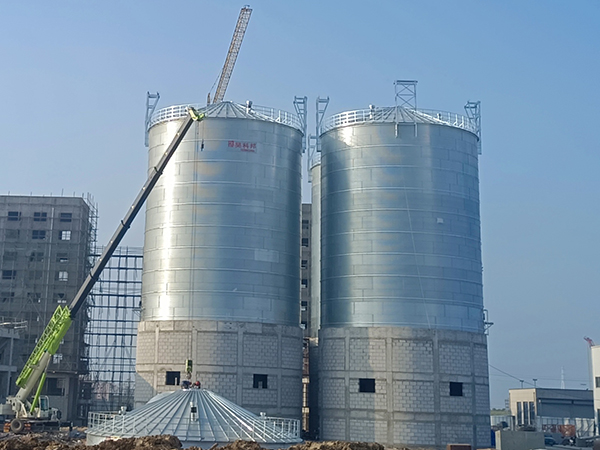
Beyond the manufacturing cost of the silo itself, transportation and installation costs are important factors determining the price of a soybean meal silo. Due to the large size of silos, specialized equipment is required for transport, and shipping costs can be high, especially for cross-regional procurement. Additionally, installing silos typically requires professional teams to ensure the equipment operates safely and stably. Installation fees may vary depending on the complexity of the silo and geographic location.
2.5 Customization Requirements
Customized soybean meal silos may be more expensive than standard models. Some businesses may require modifications to the silo design to suit specific production processes or spatial constraints. Custom features, such as anti-corrosion coatings, special shapes, or additional functional modules, will increase procurement costs. Therefore, when considering customization, businesses should balance the practicality of added features against their budget.
3. Market Analysis for Soybean Meal Silo
3.1 Domestic Market Trends
With the rapid development of the domestic feed industry, the demand for soybean meal silos continues to grow. There are many manufacturers offering soybean meal silos in the market, with a wide price range that depends on the brand, material, and configuration of the silo. In the current domestic market, the price for a mid-sized soybean meal silo generally ranges from 200 to 500 yuan per cubic meter, while high-end custom silos can exceed 600 yuan per cubic meter.
3.2 International Market Influences
Global fluctuations in soybean meal supply and demand also affect the price of silos. In major soybean meal exporting countries, such as the United States and Brazil, increased demand for silos during active trading periods can drive prices higher. Additionally, fluctuations in raw material costs, particularly steel prices, directly impact the market price of soybean meal silos.
4. How to Make Smart Soybean Meal Silo Purchases
4.1 Determine Storage Needs
Before purchasing soybean meal silos, businesses should clearly define their storage requirements, including storage volume, duration, environmental conditions, and more. Based on these needs, businesses can select appropriate silo models and capacities to avoid unnecessary costs from undersized or oversized silos.
4.2 Choose Reputable Suppliers
Selecting a supplier with a good market reputation and extensive experience ensures both the quality of the silo and timely post-purchase maintenance. By comparing multiple suppliers, businesses can find products that are reasonably priced and reliable. Additionally, visiting the suppliers’ manufacturing sites and inspecting their production processes can help ensure the silos purchased meet the business’s long-term operational needs.
4.3 Consider Long-Term Costs
While high-end soybean meal silos may have a higher initial cost, they often provide advantages in terms of maintenance and operational efficiency in the long run. When making purchasing decisions, businesses should consider not only the initial purchase price but also the silo’s lifespan, maintenance costs, and operating efficiency, ensuring a more cost-effective investment over time.
Conclusion
The price of soybean meal silos is influenced by various factors, such as material, capacity, automation level, and transportation and installation costs. When selecting soybean meal silos, businesses should consider their production needs and budget to make informed purchasing decisions. Additionally, keeping an eye on market trends and long-term cost benefits can help businesses achieve efficient storage and optimize their costs in a competitive market.