As a professional grain storage system manufacturer, Kebang is committed to providing customers with comprehensive solutions from design, manufacturing, and construction. With extensive experience in sorghum silo construction, we understand that each silo is not just a project but a system that impacts food security and supply chain efficiency.
This article will comprehensively analyze the key aspects of sorghum silo construction – from site selection planning, structural design to storage management – to help you build a silo scientifically, store grain stably, and improve efficiency. Whether you are an agricultural investor, a grain processing company, or a large plantation operator, you can get practical construction reference and optimization suggestions from this guide.

Silo Location Selection
Site selection is a critical step in the initial stages of a sorghum silo construction project. The right site selection not only reduces transportation costs but also maximizes storage safety and improves management efficiency. The following three key considerations are:
Proximity to the Planting Area
Priority is given to locations close to sorghum production areas. This significantly reduces the transport distance from the field to the silo and the loss of food along the way. For sorghum, storage as soon as possible after harvest is an important guarantee to improve grain quality and reduce losses.
Developed Transportation Network
Choosing a location close to main traffic (highways, railway hubs, freight trunk roads) will facilitate distribution and transportation after subsequent storage. Good traffic conditions not only support the smooth entry and exit of grain trucks, but also facilitate the batch shipment of grain in the future.
Avoid Disaster-Prone Areas
When selecting a location for a silo, try to avoid places that have experienced natural disasters such as floods, earthquakes or landslides. If silos are built in these areas, it will not only affect the safety of the building, but may also cause the loss of stored grain when a disaster occurs. To reduce risk, it is best to choose a site with stable terrain, good drainage, good geology and away from areas prone to flooding.
Based on the above site selection principles, Kebang recommends that investors conduct a comprehensive initial assessment of the site’s geology, drainage, transportation, and climate disaster history to create a reliable site selection report and lay a solid foundation for silo construction.

Silo Construction Plan
After the site selection is completed, the next step is the structural design and auxiliary equipment planning of the silo. The following must be focused on during this stage:
Determine the Appropriate Silo Type
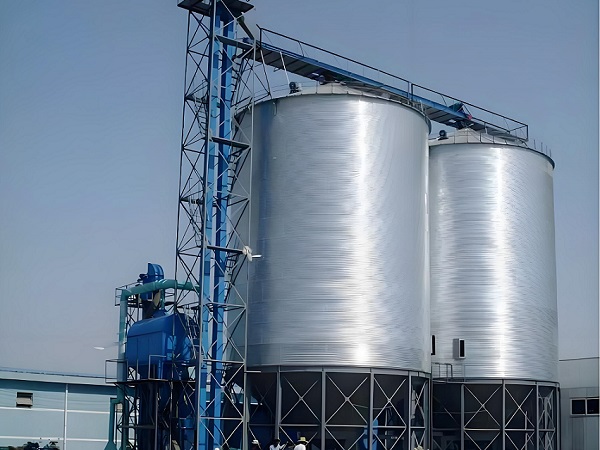
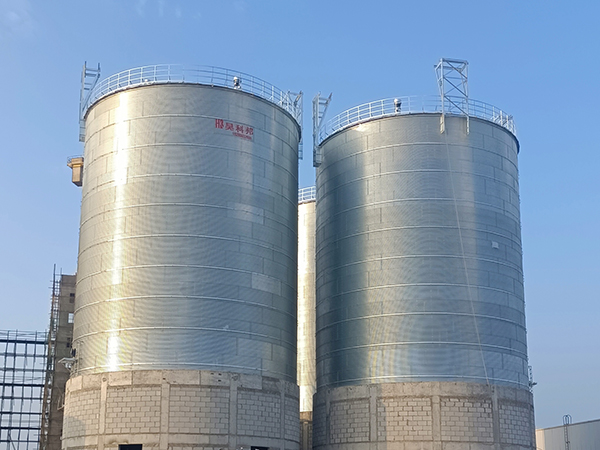
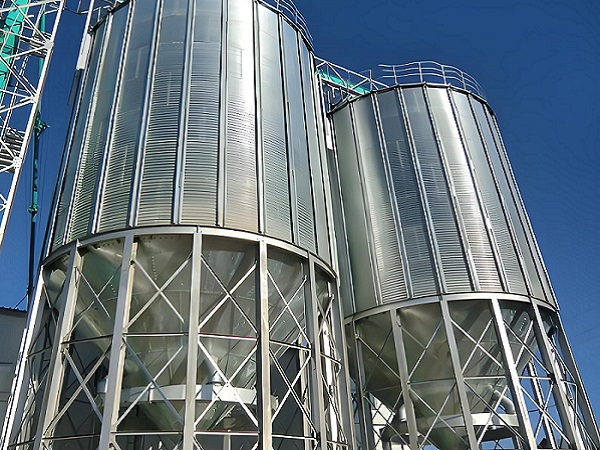
Depending on storage capacity, future expansion needs and sorghum characteristics, flat or cone bottom silo structures are selected. Flat-bottomed silos are suitable for short- and medium-term storage and are flexible in loading and unloading; conical-bottomed silos are more convenient in unloading grain and have lower release resistance, and are also conducive to later clearance or in-depth management. In terms of silo materials, it is recommended to use anti-corrosion steel plates or galvanized steel structures to ensure long service life.
Temperature and Humidity Control Equipment
Sorghum is a grain susceptible to temperature and humidity. A suitable environment can effectively prevent mold growth and insect pests. The following equipment should be planned and installed during the construction phase:
Automatic temperature monitors and humidity sensors: provide real-time monitoring of the internal silo environment;
Forced ventilation or recirculating air systems: ensure air circulation to prevent high humidity accumulation and excessive temperatures; as documented, “ventilation and airflow are important management tools for extending storage life.”
Thermal insulation/thermal insulation measures (depending on climate conditions): Prevent the risk of frost and condensation caused by thermal expansion and contraction of the silo wall.
If long-term storage (more than a few months) is required, it is recommended to lower the grain temperature below 10°C to inhibit insect pests and mold activity.
Pest Control Equipment
Pest control is an essential component of sorghum storage. It is recommended that the following facilities be reserved or installed during construction:
Ensure a good seal between the silo bottom and walls to prevent pest intrusion from outside;
Install insect traps, flying insect capture systems, or insect monitors to monitor pest trends in real time;
Design channels and interfaces to facilitate spraying or fumigation operations to ensure that pest control can be carried out regularly during storage. The information points out: “Regular inspection of pests and mold is a key link in maintaining the quality of grain storage.”
Fire Safety Facilities
Grain storage facilities present a high fire hazard, especially in silo roofs and areas surrounding mechanical equipment, which require particular attention. It is recommended that the following fire safety design features be incorporated during construction:
Install automatic fire alarms and smoke detectors;
Install anti-static devices near equipment prone to dust accumulation or static electricity generation (such as conveyors and fans);
Design safe passageways and escape routes on silo roofs and equipment platforms;
Develop a standardized fire emergency plan and conduct employee drills after construction is complete.
Through this series of construction plans and layouts, Kebang is committed to building sorghum storage silos with robust structures, comprehensive equipment, and safe operation.
Precautions for Sorghum Storage
After construction is completed and commissioned, proper operation and maintenance are key to ensuring the quality of sorghum storage. The following are three key preventative measures:
Maintain Cleanliness and Hygiene
Cleaning is an important prerequisite for ensuring safe storage of sorghum. Before entering the silo, the silo should be thoroughly cleaned to remove bottom residue, wall dust and old grain particles in the conveying equipment. Especially in hot and humid climates, mold and bacteria tend to breed. If there are grains or dust left behind, it may become a source of insect pests and mildew. Some studies have pointed out that in high-temperature and high-humidity environments, if sorghum is stored for a long time as grain with high moisture content, it is very easy to develop mildew problems.
During storage, regular inspections and cleanings should be scheduled to remove residual grain, impurities, and feed dust. Pipelines and air ducts should also be cleaned to prevent accumulation and blockage of ventilation.
Ensure a good seal
Silo sealing is directly related to the ability of outside air, moisture, and pests to enter. It is recommended to prioritize the following:
All silo doors, gates, and vents should be sealed and fitted with insect screens or sealing strips;
Inspect silo walls and roofs for cracks, rust, or loose welds, and repair any defects promptly;
In high-humidity environments or areas with large temperature differences, seal the top of the silo and design ventilation to prevent condensation from seeping back into the grain layer. The data points out that “moisture migration” in the granary can lead to mold areas and insect infestation on the top.
University of Georgia Extension Service
Use automated monitoring systems to regularly monitor pressure and humidity changes within silos to respond promptly to any anomalies.
Standardized Quality Inspection Operations
To ensure the quality of sorghum grain, standardized quality inspection and monitoring procedures should be implemented:
Test sorghum for key indicators such as moisture content, impurity content, and mold before storage. Data recommends reducing sorghum moisture to below approximately 12% wet basis for long-term storage.
During storage, check the temperature, humidity, and insect pests inside the silo at least once a week. If a rise in temperature or abnormal humidity is found, start the ventilation system or conduct local inspections.
Record each test result and establish a file management system. If low-quality or moldy sorghum is found, separate it promptly to avoid compromising overall silo quality.
Integrate regular maintenance, equipment calibration, and personnel training to ensure standardized inspection procedures and reliable data.
Conclusion
Through the systematic planning described above for the three stages of site selection, construction, and storage, Kebang provides you with a comprehensive guide to sorghum silo construction. We firmly believe that excellent silo site selection, reliable structural construction, and meticulous storage management are the keys to achieving long-term, high-quality sorghum storage, reducing losses, and improving economic benefits.
As a service provider with rich experience in the industry, kebang can provide customers with a complete set of services covering project consultation, scheme design, equipment matching, installation and construction, and post-maintenance. If you need high-quality sorghum silo construction solutions, please contact us. Kebang is willing to work with you to create an efficient, safe and modern grain storage system.
Website: https://www.cobansilo.com/
Mobile: +8615801054617
Email: william@cobansilo.com