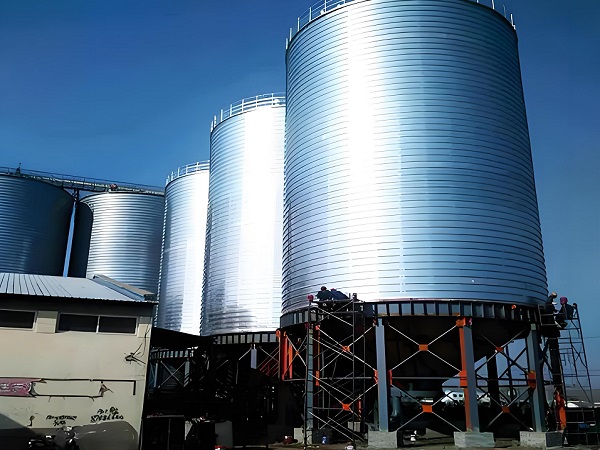
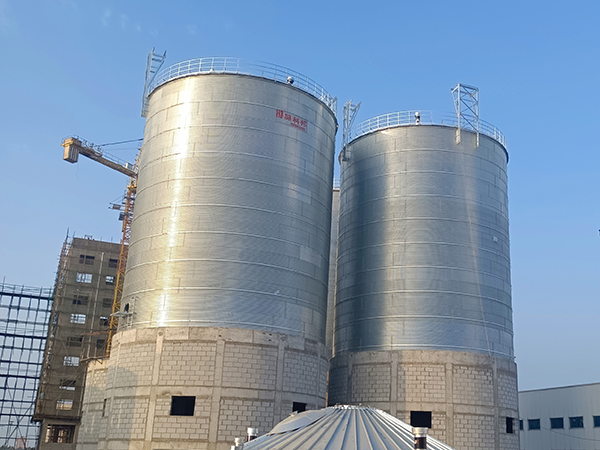
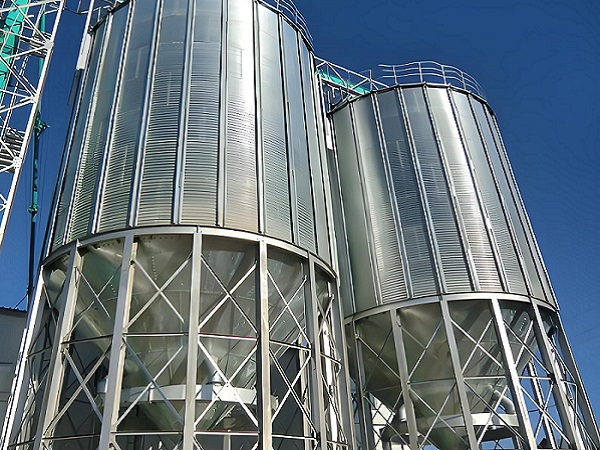
Small steel silos, as an efficient storage solution, are widely used in industrial and agricultural fields. Understanding their installation process is crucial for ensuring storage safety and improving efficiency. This article will provide a detailed introduction to the small steel silo installation process, technical details, and application scenarios, offering a comprehensive analysis for related industries. Successful installation is the hallmark of professional [Metal Silo Companies]. At Coban, our Uganda-based teams follow strict international protocols to ensure structural integrity from the foundation up.
Overview of Installation Process
The installation process of small steel silos is a systematic project involving multiple stages, each significantly impacting the silo’s performance and lifespan.
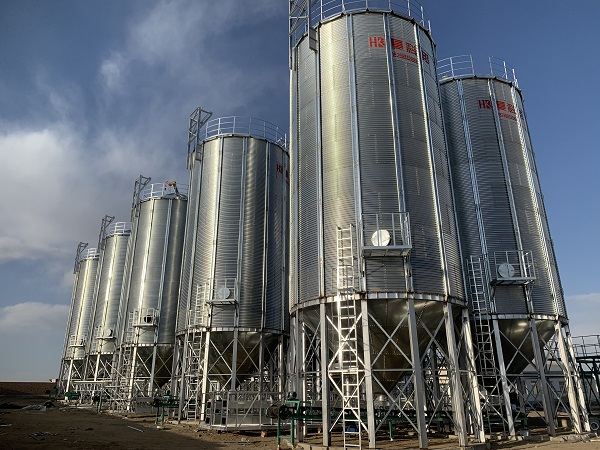
Construction Preparation
Before proceeding with the installation of small steel silos, the following preparations are required:
Material Preparation
Includes main structure components, support rods, and other silo parts, as well as fixing bolts and nuts. Additionally, prepare construction tools such as wrenches, electric drills, and safety equipment like hard hats and gloves.
Site Preparation
The construction site should be leveled, dry, and free of obvious mud and sand; safe access and fire lanes should be established; temporary facilities should be arranged according to the initial design requirements for silo installation, such as workshops, temporary manufacturing spaces, offices, and warehouses.
Construction Process
Steel Structure Component Installation
Remove existing utility lines and other components. Determine the upper structure’s horizontal plane, which will set the position for column foundations and scaffolding.
Install the upper plates based on the columns and horizontal plane to ensure proper spacing and height. Lift the lower horizontal section’s four corner plate groups with columns. Use a level instrument and support between the inner row pipes and cover plates with angle iron before lifting the remaining plate groups. Proceed with the middle plate groups in the same manner.
Welding and Sealing
After assembly, conduct welding and sealing treatments to ensure the silo’s airtightness and moisture resistance. Welding processes must be strictly carried out according to standards to ensure defect-free and leak-free welds.
Installation of Ventilation System
The ventilation system is an essential component for maintaining a stable internal environment in the silo. When installing ventilation equipment, layout rationally according to the silo’s design requirements to ensure air circulation and prevent mold and pests.
Technical Details Analysis
The technical details of the small steel silo installation process are key to ensuring its performance and safety.
Structural Design and Material Selection
The structural design of small steel silos is typically cylindrical, with a spherical top and walls made of steel plates welded (lap welding); its spherical cap-shaped silo top semi-spherical body is formed by the structural design of shaped steel and a combination of multiple arched beams, creating a unique structural architecture, whose reasonable architectural structure endows its dome with reliable load-bearing capacity.
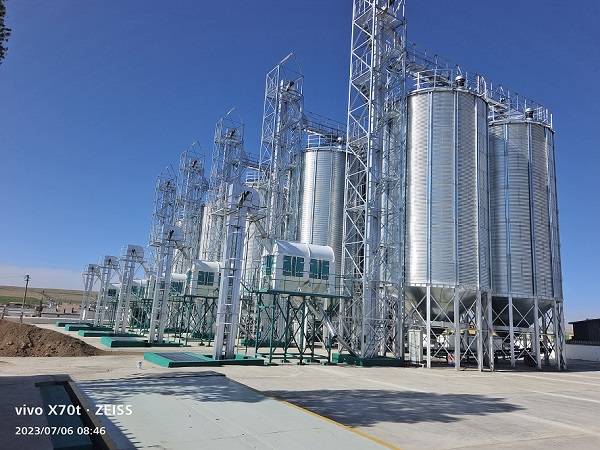
Load Bearing and Waterproof Treatment
Material pressure is evenly distributed on the bottom plate of the steel silo, transferring the pressure to the earth through the silo floor, achieving pre-stress load bearing, which can meet different foundation load-bearing requirements. The bottom plate is filled with lightweight, pressure-resistant materials; fluidization devices are set on the filling material, with each device being an independent unit, allowing for the replacement of peripheral fluidization devices with material.
Application Scenarios
Beyond the small steel silo installation process, its process applications are extensive, involving multiple industries such as cement, grain, and chemical engineering.
Cement Industry Application
In the cement industry, small steel silo technology effectively addresses issues of cement agglomeration and decline in physical indicators caused by temperature differences and humid gases. This design ensures that the physical indicators of cement within the steel silo remain unchanged at temperatures ranging from -50°C to 160°C, improving storage efficiency and service life.
Grain Storage Application
In the field of grain storage, small steel silos are widely used for the storage and transportation of grain due to their excellent airtightness and energy-saving and environmental protection characteristics. Storing grain in small steel silos can effectively prevent moisture and spoilage, ensuring grain safety.