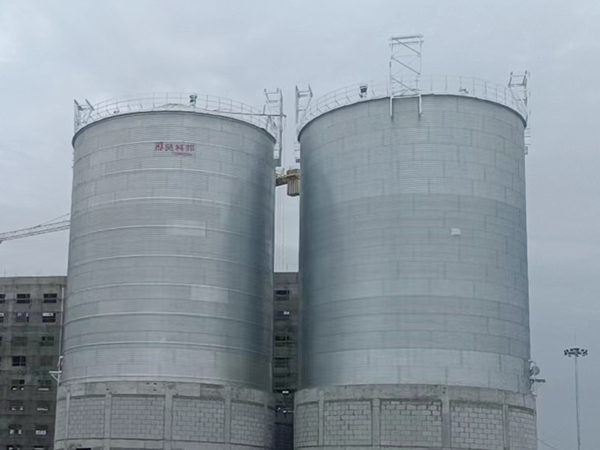
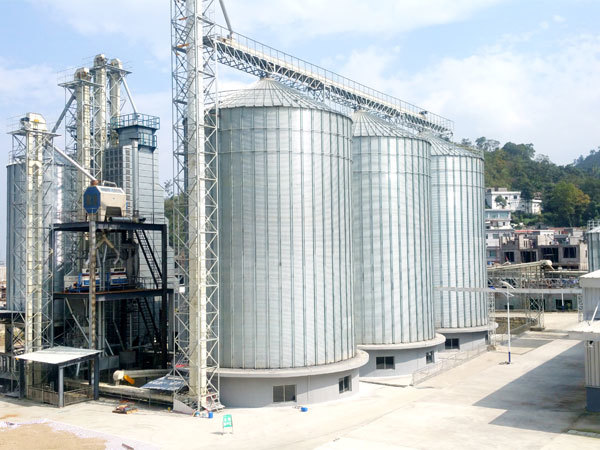
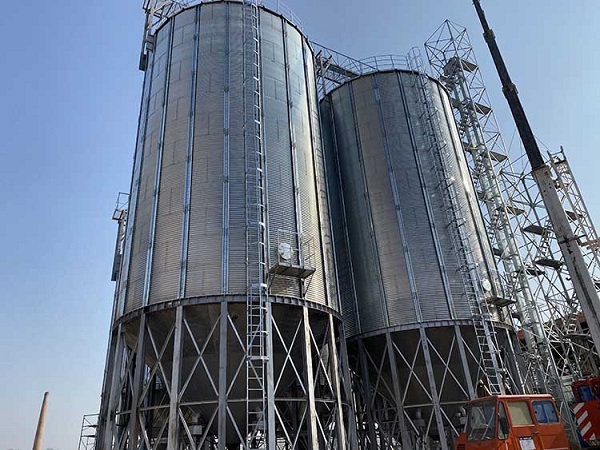
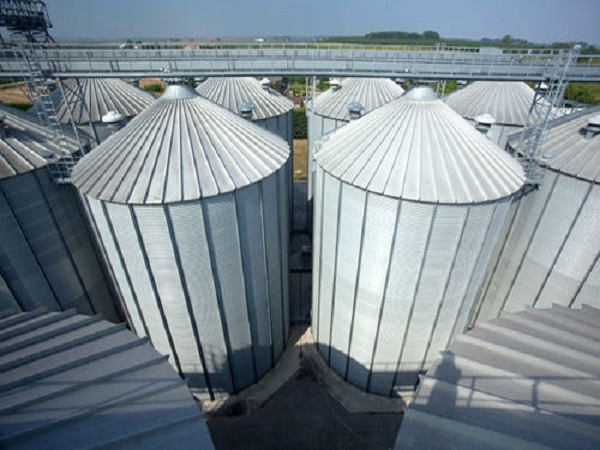
Its modular structure is suitable for grain depots of different sizes, and it has provided more than 2,000 solutions to major production areas such as Southeast Asia and Africa, helping customers reduce losses and increase income. This aligns with the fundamental principles of [what a rice silo is], ensuring that storage infrastructure meets modern safety standards.”

The Importance and Core Principles of Rice Storage
Rice still has the characteristics of life after harvesting, and internal respiration and chemical reactions are still going on. If the storage conditions are not properly controlled, it can easily cause problems such as mildew, insect damage, fever, discoloration, etc., which will not only affect the quality of the grain, but also cause economic losses. Therefore, scientific storage should follow the following three basic principles.
Keep it Dry – Controlling moisture levels is key to preventing spoilage.
Controllable temperature – Lowering grain temperature slows biochemical reactions and mold growth.
Clean and free of impurities – Removing dust, debris, straw, metal and other impurities helps maintain a stable storage environment.
Key Factors Affecting Rice Storage
While these principles apply globally, specific challenges arise in high-humidity areas. See our detailed guide on [how to prevent post-harvest rice loss in tropical climates] for localized strategies.
Moisture Content
Rice typically has a moisture content of 22%–26% at harvest, far exceeding the safe storage standard of 13%–14%. A scientific drying process must be used to reduce the moisture content to an appropriate range; otherwise, heating and mold are likely to occur.
Temperature
For every 10°C increase in temperature, the rate of fungal activity almost doubles. Low temperatures should be maintained during storage, and appropriate cooling and ventilation measures should be taken under different climate conditions.
Impurities and Brokenness
Broken kernels, straw, dust, and metal foreign matter can hinder airflow and cause localized heating. Higher cleanliness levels result in greater storage stability.
Storage Life
The shorter the storage period, the better the quality is maintained. If long-term storage is required, automated temperature control and ventilation systems should be used to ensure uniform drying of grain.

Rice Pre-Storage Process
Receiving and Testing
When rice enters the storage system, sampling and testing are required to measure moisture, temperature, and impurity levels.
Coban recommends installing an online moisture meter and infrared temperature control system at this stage to monitor the grain’s condition in real time and provide early warning of mold risks.
Cleaning and Separation
The cleaning process is the prerequisite for ensuring subsequent drying and storage effects. Commonly used equipment includes:
Magnetic Separator: Removes iron filings and metal impurities to prevent mechanical damage.
Drum Screen and Vibrating Screen: Removes large impurities such as straw, paper, and wood chips.
Airflow Separator: Removes dust and light particles to improve air circulation.
Buffer Bin: Temporarily stores cleaned rice to prevent overload during the drying process.
Multi-stage cleaning ensures optimal storage cleanliness and significantly improves storage stability.
Drying and Temperature Control: Core Steps for Storage Safety
The purpose of drying is to reduce the moisture content of rice to a safe range to prevent microbial reproduction. Coban provides a variety of drying systems, such as circulating hot air dryers, batch drying towers, etc., to adapt to different scales of grain storage needs.
Key Points for Drying Management:
Pre-cleaning to prevent impurities from obstructing airflow;
Drying in stages, with the moisture content decreasing by no more than 5% each time;
After drying, allow the rice to rest for 8–12 hours to achieve even moisture distribution;
Mixing dry and wet rice is strictly prohibited.
After drying, the rice is cooled in temperature-controlled silos to achieve equilibrium temperature and moisture content. This step significantly reduces the risk of condensation and spoilage.
Advantages of Rice Storage Silo System
Beyond technical specs, the real value lies in long-term ROI. Learn more about the strategic [benefits of choosing a rice silo for rice storage] to maximize your annual profitability.
In the modern grain industry, silos are gradually replacing traditional warehouses because of their high efficiency, cleanliness, and safety. Kebang rice storage silo system mainly includes steel silo, ventilation system, temperature control system and conveying equipment and other modules. It has the following advantages:
High-Strength Structure and Anti-Corrosion Design
The hot-dip galvanized steel structure offers strong wind and earthquake resistance, with a surface corrosion lifespan of over 25 years, making it suitable for a wide range of climates.
Efficient Ventilation System
The bottom ventilation grille and centrifugal fan form a circulating air flow to ensure uniform cooling and drying of the grain and prevent local condensation.
Intelligent Temperature and Humidity Monitoring
Multiple temperature and humidity sensors enable real-time data collection and remote monitoring, ensuring a stable silo environment.
Automatic Discharge and First-in-First-out Design
The bottom cone structure supports the FIFO (first in, first out) flow method to avoid old grain retention and quality differences.
Energy Efficiency and Easy Maintenance
The optimized aerodynamic system significantly reduces energy consumption; the modular structure facilitates installation and maintenance, reducing operating costs.
Rice Storage Management Recommendations
To ensure safety and stability for long-term storage, Coban recommends:
Regularly check temperature and humidity – ventilate or cool immediately if any abnormalities are detected;
Keep silos clean – thoroughly clean and disinfect after each emptying;
Use an automatic ventilation system – replace the air at night during cooler temperatures;
Avoid exposure to direct sunlight or rain – regularly inspect the exterior waterproofing;
Establish a digital archive – record the moisture content, temperature, and storage time of each batch of grain for traceability and optimized management.
Coban’s Technical and Service Advantages
Ready to implement these solutions in your own facility? [Explore our professional-grade rice storage silo systems] for customized designs tailored to your capacity requirements.
As a professional grain storage system manufacturer, Colback is committed to providing customized rice storage solutions to customers worldwide.
Our products are widely used in major rice-producing regions such as Asia, Africa, and South America, and are highly trusted by our customers.
Our Core Strengths:
Advanced Automation and Control Technology
Strict International Quality Standards
Highly Customized Grain Storage Design
Comprehensive Installation and After-Sales Service
From silo design, equipment selection to installation and commissioning, Coban provides customers with one-stop solutions to ensure that rice can maintain the best quality in every step after harvest.
Conclusion
In modern agriculture, rice storage is no longer simply a matter of storage; it is a core component of food security, industrial profitability, and quality assurance.
Choosing high-quality rice storage silo can not only effectively reduce losses, but also enhance competitiveness in global grain trade.
Kebang rice storage silo system allows every grain of rice to be protected safely, scientifically and economically.
Learn More About Grain Storage: