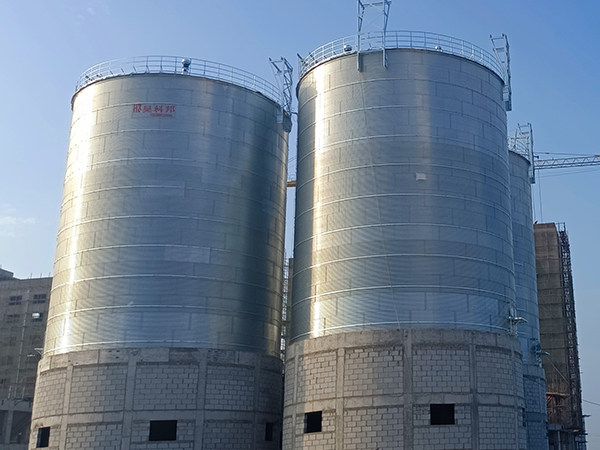
Rice grain Silo Price: Factors and Market Trends Analysis
With the increasing demand for grain storage globally, modern storage equipment has become crucial. Rice grain Silo price are an important aspect of the grain storage equipment market, influenced by multiple factors. Paddy rice silo not only help ensure the quality and safety of rice but also improve storage efficiency and management. In this article, we will explore the main factors affecting paddy rice silo prices and analyze current market trends to help investors and agricultural enterprises better understand the silo market.


1. Factors Affecting Rice grain Silo Price
1. Silo Material
The material used in constructing Rice grain Silo is a key factor influencing their price. Common silo materials in the market include galvanized steel, aluminum alloy, and stainless steel. Each material offers different levels of corrosion resistance and durability, directly impacting the price. For instance, stainless steel silos, known for their high corrosion resistance and longevity, are generally more expensive than other materials. Galvanized steel silos, which balance cost and performance, are in high demand and priced moderately.
2. Silo Capacity
The capacity of the Rice grain Silo also directly affects its price. Generally, the larger the silo, the lower the unit storage cost. Larger silos can store more rice more efficiently, reducing the per-unit storage cost. In contrast, smaller silos, while having a lower initial investment, have higher unit costs, making them suitable for small-scale operations or specific storage needs.
3. Level of Automation
As technology advances, modern Rice grain Silo are increasingly adopting automation. Automated silos are equipped with advanced temperature and humidity control systems, automatic ventilation, and real-time monitoring, significantly improving storage efficiency and reducing losses due to environmental factors. However, the inclusion of these technologies raises the overall price of Rice grain Silo.
4. Installation and Transportation Costs
In addition to the cost of the silo itself, installation and transportation also impact the total price. Rice grain Silo, especially larger ones, require specialized installation teams, increasing the setup costs. Transportation expenses, which depend on the distance and method, can also add to the overall cost. Longer distances and more complex transportation conditions result in higher costs, so investors should consider these additional expenses when purchasing a Rice grain Silo.
2. Market Trends in Rice grain Silo
1. Overall Price Stability
As agricultural modernization progresses and the demand for Rice grain Silo grows steadily, the market’s supply and demand have remained balanced. With advancements in technology and increased production, the cost of producing silos has decreased, leading to relatively stable price in recent years. However, due to the growing use of automation and environmentally-friendly materials, prices may see slight increases in the future.
2. Increasing Automation and Sustainability
With the growing focus on automation and sustainability in the grain storage industry, the future trend of the Rice grain Silo market will revolve around automated systems and environmentally-friendly materials. Automation not only enhances management efficiency but also reduces rice losses, thereby improving economic returns. Additionally, environmentally-friendly materials are gaining preference due to their alignment with government regulations and industry standards, pushing the market towards more sustainable development.
While the initial investment in automated, eco-friendly Rice grain Silo may be higher, these systems significantly reduce maintenance and management costs over the long term. As a result, they are likely to become the mainstream in the market and command a premium price.
3. Impact of the International Market
With globalization accelerating, the production and sale of Rice grain Silo have expanded beyond domestic markets. China, as a leading producer and consumer of rice, is increasingly influenced by fluctuations in the international market. Changes in raw material price, international logistics costs, and government regulations all have direct or indirect impacts on Rice grain Silo price. Therefore, investors should consider global market trends when evaluating silo price.
4. Government Support
Government support for agricultural infrastructure also influences the trajectory of Rice grain Silo price. In many countries, governments provide subsidies and tax incentives for the construction of agricultural facilities, reducing costs for investors. These policies enable many agricultural and grain processing enterprises to purchase high-quality Rice grain Silo at lower price, further driving market development.


3. How to Choose the Right Rice grain Silo
With a wide range of price and configurations for Rice grain Silo, how should agricultural enterprises and investors make an informed choice? Here are a few suggestions:
- Select the Right Capacity: Choose a silo capacity that matches your grain storage needs. Large-scale farms or grain storage companies may opt for large-capacity automated silos, while small-scale farmers can choose smaller, more economical silos.
- Focus on Long-Term Benefits: While automated and eco-friendly silos have higher initial costs, they offer significant long-term benefits. Investors should consider the silo’s lifespan, maintenance costs, and other long-term factors rather than just focusing on the initial purchase price.
- Choose a Reputable Supplier: When purchasing a Rice grain Silo, it’s important to select a supplier with a strong market reputation and extensive experience. A reputable supplier will not only provide high-quality products but also offer comprehensive after-sales service, ensuring the silo’s long-term stable operation.
Conclusion
Rice grain Silo price are influenced by several factors, including material, capacity, automation, and installation and transportation costs. As the market evolves and technology advances, price have remained relatively stable, but future trends point toward automated, eco-friendly silos becoming more prominent. When choosing a Rice grain Silo, investors should carefully consider their needs and market trends to make the best investment decision