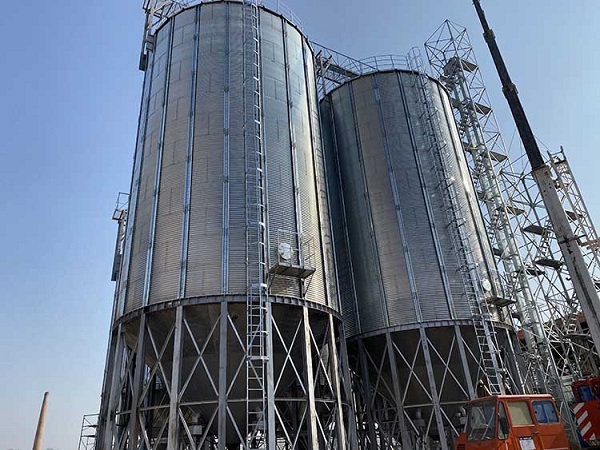
Silo Roof Vent
COBAN grain silos are designed to ensure safe storage, stable ventilation, and long-term grain preservation under different climate conditions. Each silo system can be customized based on capacity, grain type, and project requirements for optimal storage performance and reliability.

Silo Roof Vent
Application:Grain Storage Silo
Material:Galvanized Steel
Installation:Silo Roof
Function:Air Exchange & Pressure Relief
- Customized Capacity Design
- High Strength Galvanized Steel
- ISO Certified Manufacturing
- Global Installation Support
Applications
Corn Storage
Wheat Storage
Rice Storage
Soybean Storage
Feed Storage
Commercial Grain Storage
Product Details & Technical Information
The Silo Roof Vent is installed on the top of a grain silo to provide a controlled opening for air exchange. It is a small part of the silo structure, but it has a practical role during grain filling, unloading, aeration, and storage.
A grain silo cannot work as a completely closed container. When grain enters the silo, the air above the grain is displaced. When grain is discharged, air needs to enter and replace the volume of the removed grain. Changes in temperature can also cause the air inside the silo to expand or contract.
The roof vent gives this air a proper path through the top of the silo.
What Is a Silo Roof Vent?
A silo roof vent is a weather-protected ventilation outlet fitted to the roof of a steel grain silo.
For galvanized steel silos, the vent is normally made from galvanized steel or other corrosion-resistant materials. Its upper cover protects the opening from direct rain while keeping the ventilation passage open.
The design is simple. There is no complicated drive system in a standard passive roof vent. Its job is mainly to let air move while keeping the silo reasonably protected from outside weather and contamination.
| Item | Specification |
|---|---|
| Product | Silo Roof Vent |
| Application | Galvanized Steel Grain Silo |
| Installation Position | Silo Roof |
| Main Material | Galvanized Steel |
| Function | Air Exchange and Pressure Relief |

Silo Roof Vent for Grain Silos
How Does the Roof Vent Work?
The working principle is straightforward.
During grain loading, incoming grain takes up space inside the silo and pushes the existing air upward. The roof vent provides an outlet for this displaced air.
During grain unloading, the situation is reversed. As grain leaves the silo, air needs to enter the silo. The roof ventilation opening helps maintain the air exchange instead of leaving the silo working against an unnecessary pressure difference.
When the silo is being aerated, air is also moved through the grain and into the upper space. A suitable roof outlet is therefore part of the overall airflow arrangement.
The roof vent does not actively move air by itself. It provides the opening through which air can naturally move.
Construction
A typical Silo Roof Vent consists of a ventilation body, protective cover and fixing components.
The upper cover is particularly important. It needs to keep rain from falling directly into the ventilation opening while leaving sufficient space around the opening for air to pass.
For outdoor grain storage, galvanized steel is a practical choice because the component is continuously exposed to humidity, rain and temperature changes.
The connection between the vent and the silo roof should also be firm and properly sealed where necessary.
Why Is It Installed on the Silo Roof?
Warm air naturally rises, so the highest point of the silo is a logical location for an air outlet.
The roof also provides a direct connection between the upper air space inside the silo and the outside atmosphere.
This arrangement is useful for several operating conditions:
- Air displacement during grain loading
- Air entry during grain unloading
- Natural air exchange during storage
- Pressure equalization
- Air movement associated with silo aeration
The actual vent arrangement should be determined according to the silo design rather than simply adding vents according to storage capacity.
Roof Vent and Silo Aeration
The roof vent and the aeration system have different jobs.
The aeration fan supplies and moves air.
The aeration duct or floor distributes the air through the grain.
The roof vent provides an outlet at the top of the silo.
A simple way to understand the relationship is:
Fan → Aeration system → Stored grain → Upper silo space → Roof vent
For this reason, the roof vent should be considered when designing the complete silo airflow system.
It should not, however, be treated as a replacement for an aeration fan. A passive roof vent cannot provide the same grain cooling or moisture-control function as a properly sized forced-air aeration system.
Protection Against Rain and Dust
The silo roof is exposed directly to the weather, so an open ventilation hole would not be suitable.
The protective structure of the roof vent helps prevent direct rainwater from entering the silo. At the same time, the opening remains available for air movement.
The design also helps reduce the entry of larger foreign materials such as leaves and other debris.
In dusty grain-handling environments, the ventilation opening should be checked periodically. Dust accumulation can gradually reduce the effective ventilation area.
Main Features
Galvanized Construction
The galvanized steel surface provides corrosion protection for outdoor installation and matches the construction of most galvanized grain silos.
Passive Air Exchange
No separate motor is normally required. Air moves through the vent as pressure and temperature conditions change inside and outside the silo.
Weather Protection
The vent cover helps protect the silo interior from direct rain while maintaining an open ventilation passage.
Simple Installation
The vent is installed directly onto the silo roof and connected to the roof structure with suitable fixing components.
Easy Inspection
Because the structure is relatively simple, routine inspection and cleaning can be carried out without complicated maintenance procedures.
Where Is a Silo Roof Vent Used?
Silo roof vents are used on steel silos for bulk grain storage, including:
| Stored Product | Typical Application |
|---|---|
| Corn / Maize | Farm and commercial grain storage |
| Wheat | Grain collection and storage |
| Rice / Paddy | Rice storage facilities |
| Soybean | Commercial bulk storage |
| Barley | Feed and grain storage |
| Sorghum | Agricultural grain storage |
They can be found on farm silos, grain collection centers, commercial grain terminals, feed mills and grain processing facilities.
Selecting the Right Roof Vent
The size and quantity of roof vents should not be selected from silo capacity alone.
Several factors need to be considered:
- Silo diameter
- Roof configuration
- Grain loading rate
- Grain unloading rate
- Aeration fan capacity
- Aeration floor or duct arrangement
- Local weather conditions
- Required ventilation area
For a complete silo project, the roof vent is normally selected as part of the silo roof and aeration design.
Maintenance
A Silo Roof Vent does not require complicated daily maintenance, but it should not be completely ignored.
During routine silo inspection, check whether the ventilation opening is blocked by dust, grain residues, insects or other foreign material. The protective cover and fixing points should also be checked for damage or looseness.
If the silo is located in an area with heavy rainfall, high humidity or strong wind, more frequent inspection may be appropriate.
Silo Roof Vent for Galvanized Grain Silos
Although the Silo Roof Vent is much smaller than the silo itself, it forms part of the basic ventilation arrangement of a grain storage system.
A well-designed vent provides an open path for air at the top of the silo, protects the opening from weather and supports normal air-pressure changes during grain handling and storage.
For a galvanized steel grain silo, the vent should be selected to match the silo roof structure, aeration arrangement and operating conditions. The right design is less about adding a large number of vents and more about providing the appropriate ventilation area in the right position.
Request A Quote
Tell us your capacity, grain type, and project location. We will design a turnkey solution for you.