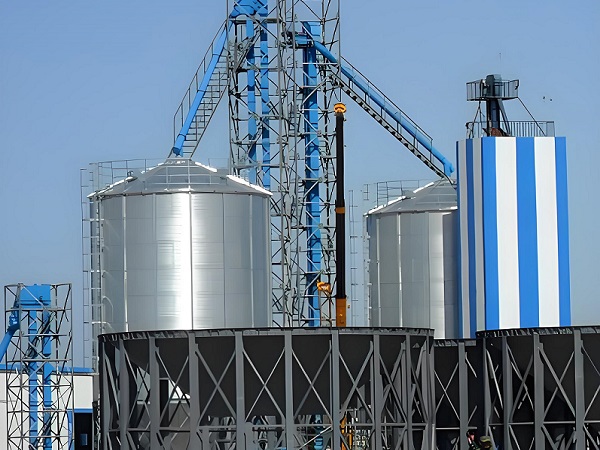
Procurement of Soybean Grain Silo: Choosing the Right Storage Solution
As global soybean production continues to grow, the issue of efficient storage becomes increasingly critical for farmers, grain companies, and other related businesses. Proper storage not only affects the quality and value of the grain but also impacts the efficiency of the supply chain. Therefore, the procurement of soybean grain silo plays a crucial role in the agricultural supply chain. This article will discuss the procurement needs, selection criteria, considerations during the purchasing process, and future trends in the soybean grain silo market.


1. The Necessity of Procuring Soybean Grain Silo
Soybeans are a high-protein, high-oil crop widely used in food, feed, and industrial production. However, storing soybeans poses challenges as they are highly susceptible to temperature, humidity, and pests. If not stored properly, soybeans can mold, sprout, or rot, leading to a loss in both quality and yield. For this reason, modern agriculture and grain enterprises increasingly demand efficient storage solutions, and procuring the right grain silos is essential.
1.1 Ensuring the Quality of Soybean Storage
Soybeans are often stored for extended periods, especially when market supply and demand fluctuate. Proper storage can help businesses mitigate market risks. The procurement of soybean grain silo provides optimized storage solutions, ensuring that soybeans are protected from external environmental factors and minimizing waste.
1.2 Enhancing Supply Chain Efficiency
Grain silos are not only a storage tool but also an essential part of the logistics supply chain. Effective silo management improves the efficiency of loading and unloading, optimizes storage space, and reduces logistics costs. Through appropriate procurement, large-scale silo systems can integrate automated loading, monitoring, and other functions, increasing grain transportation and distribution efficiency and ensuring that soybeans reach the market at the right time.
2. Key Criteria for Selecting Soybean Grain Silo
When procuring soybean grain silo, buyers must consider various factors to ensure the silos meet their business needs. Here are some key criteria to focus on when selecting silos:
2.1 Capacity and Specifications
The scale of soybean production determines the capacity required for storage. When purchasing silos, it’s essential to choose the appropriate capacity and specifications based on the company’s production output. Large agricultural enterprises, in particular, benefit from bulk purchasing of high-capacity silos. These large silos allow more soybeans to be stored at once, reducing per-unit storage costs and decreasing reliance on external storage facilities.
2.2 Material and Structure
The material and structure of the grain silo directly affect its durability and storage effectiveness. Common silo materials include steel, concrete, and composite materials. For soybean storage, high-quality steel silos provide better moisture resistance, corrosion protection, and durability, making them more capable of withstanding climate changes and environmental impacts. Structural design must also account for ventilation, insulation, and fire prevention to ensure the soybeans remain undamaged over long-term storage.
2.3 Level of Automation and Smart Technology
With advancements in agricultural technology, automated storage systems have become standard in modern grain silos. Procuring silos with automated monitoring systems enables real-time tracking of internal temperature and humidity, adjusting ventilation and moisture control systems as needed. This intelligent management not only improves storage efficiency but also reduces losses due to human error. Additionally, automated loading systems enhance operational efficiency, reducing labor costs.
2.4 Maintenance and After-Sales Service
The procurement of soybean grain silo represents a long-term investment, and the equipment’s lifespan and maintenance costs must be considered. Choosing a supplier that offers strong after-sales support and maintenance guarantees ensures that the equipment can be repaired and replaced promptly in case of malfunction, minimizing production interruptions. Regular maintenance and inspections can also extend the life of the silos, reducing overall procurement costs.


3. The Procurement Process and Key Considerations
To ensure the purchase of suitable soybean grain silo, businesses need to develop a clear procurement plan and follow a structured process. Here are some important steps and considerations during the procurement process:
3.1 Needs Analysis and Budget Planning
Before procurement, companies must first analyze their storage needs, considering factors such as annual production, storage duration, location, and budget. A detailed needs analysis helps in formulating a precise procurement plan, avoiding over-investment or under-investment and preventing unnecessary costs.
3.2 Supplier Selection and Comparison
There are numerous suppliers of soybean grain silo in the market. Companies should compare different suppliers’ products, services, and pricing to choose the most suitable one. In selecting a supplier, factors such as price, market reputation, product quality, and after-sales service should be considered to ensure the reliability of the business partner.
3.3 Contract Signing and Logistics Coordination
Once the supplier is chosen, the procurement contract should clearly define the product specifications, delivery time, warranty terms, and after-sales service. After delivery, companies should ensure proper installation and testing of the equipment to guarantee the silos meet expected storage performance and can be put into use on time.
4. Future Trends in Soybean Grain Silo Procurement
As technology evolves and market demands change, the procurement of soybean grain silo is also undergoing transformation. The following trends will shape the future of silo procurement:
4.1 Increased Automation and Smart Technology
Future grain silos will rely more heavily on automation and smart technology. Intelligent sensors, the Internet of Things (IoT), and automated management systems will become integral to silo management, helping businesses achieve more efficient storage. This technological progress will not only improve storage quality but also effectively reduce operational costs.
4.2 Environmental Sustainability
As environmental concerns grow globally, eco-friendly materials and sustainable development concepts will play a significant role in the design and procurement of soybean grain silo. Future silo systems will focus on environmentally friendly materials and energy-efficient designs, minimizing their environmental impact and helping businesses meet sustainability goals.
4.3 Increasing Demand for Customized Solutions
Different regions and companies of varying sizes have unique storage needs, and future silo procurement will trend toward more customized solutions. Whether it’s capacity, functionality, or automation levels, businesses will seek to tailor their storage equipment to meet their specific requirements, improving the efficiency and cost-effectiveness of their procurement.
5. Conclusion
The procurement of soybean grain silo is an essential component of modern agriculture and the grain industry. Through careful selection and procurement, businesses can enhance soybean storage quality, reduce costs, and improve overall supply chain efficiency. Looking ahead, with the continuous advancement of smart, automated, and eco-friendly technologies, procurement decisions will become more flexible and precise, further promoting agricultural modernization and food security.