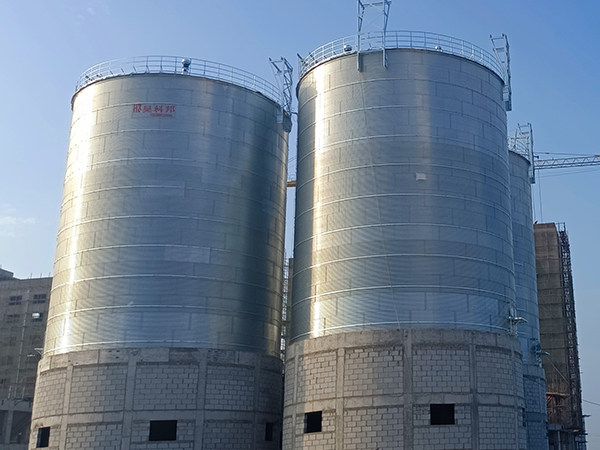
Price of Rice Grain Silo: Key Factors and Market Analysis
As agricultural modernization continues to progress, rice, as one of the primary grain crops, requires proper storage facilities to ensure food security. After the harvest, rice needs to be stored in a way that prevents moisture, mold, and spoilage, making rice grain silo essential storage tools. However, the price of rice grain silo is influenced by various factors, determining their market position and promotion. This article will focus on the “price of rice grain silo,” analyzing the main factors affecting the price and examining the current market trends, helping buyers better understand the value and selection criteria of silo.


1. Definition and Function of Rice Grain Silo
Rice grain silos are specialized storage facilities designed for rice, offering features such as moisture resistance, ventilation, and sealing. These silos ensure that rice remains unaffected by external environmental conditions during long-term storage while improving storage efficiency and reducing costs. Modern rice grain silo are typically made from steel or concrete and equipped with advanced automation systems, such as temperature control, humidity regulation, and ventilation systems, allowing real-time monitoring of the stored grain’s condition.
2. Key Factors Affecting the Price of Rice Grain Silo
1. Material Costs
The cost of materials significantly impacts the price of rice grain silo. Common silo materials include steel and concrete, with significant price differences between them. Steel silos are more popular due to their ease of installation, mobility, and low maintenance, but the material cost is relatively high. Concrete silos are sturdier and more durable but involve higher construction expenses. Therefore, the choice of material directly influences the price of rice grain silo.
2. Silo Capacity
The capacity of rice grain silo is another critical factor determining the price. Generally, the larger the capacity of the silo, the higher the manufacturing and installation costs. Large silos, capable of storing vast amounts of rice, are suitable for large-scale farms or grain storage companies, while medium and small silos are better suited for smaller farms or personal use. The price difference between different capacities is noticeable, so buyers need to select the appropriate capacity based on their actual needs.
3. Level of Automation
With advancements in agricultural technology, modern rice grain silo increasingly incorporate smart and automated systems. High-end silos come equipped with automated temperature and humidity control systems, ventilation, and grain condition monitoring devices. These intelligent features significantly enhance the safety and efficiency of rice storage but also increase the cost of manufacturing and installation. The higher the level of automation, the higher the price of the rice grain silos, so buyers should weigh the costs and functional requirements.
4. Transportation and Installation Costs
Due to their large size, rice grain silos require specialized transportation and installation teams, particularly for larger silos where transportation and installation expenses can be considerable. Buyers should consider not only the price of the silo itself but also the additional costs of transportation and installation. These expenses vary depending on the size of the silo, the distance involved, and the complexity of the installation process.
5. Supply and Demand
Market supply and demand is a significant factor influencing the price of rice grain silo. When the demand for silos increases, prices tend to rise. Conversely, if demand decreases and there is an oversupply, prices may drop. In recent years, the growing scale of agricultural production and increased awareness of food security have led to higher demand for rice grain silos, resulting in a price increase.


3. Current Market Status of Rice Grain Silo Price
Currently, the price range for rice grain silos varies significantly. Small rice grain silos typically cost tens of thousands of yuan, making them suitable for small to medium-sized farmers. In contrast, large industrial rice silos can cost hundreds of thousands or even millions of yuan, depending on the silo’s capacity, material, and added features.
1. Price Differences by Silo Type
Rice grain silo come in different types, including steel silos, concrete silos, and plastic silos. Steel silos are more durable and long-lasting, and their price typically ranges from a few hundred to over a thousand yuan per cubic meter. Concrete silos, though more costly to construct, are also long-lasting and are ideal for long-term rice storage. Plastic silos, while cheaper, are less durable and better suited for short-term storage.
2. Domestic and International Market Comparison
In the domestic market, the price of rice grain silo varies by region. Grain-producing areas tend to have more concentrated production and sales, resulting in more stable prices. In remote regions, the cost of transportation and installation may drive up silo prices. Internationally, rice grain silo prices are influenced by factors like tariffs, international shipping, and differing technological standards, leading to price fluctuations.
4. How to Choose Cost-Effective Rice Grain Silo
When considering the price of rice grain silo, buyers should also focus on cost-effectiveness and choose products that meet their needs. The following points can help buyers make more informed decisions:
1. Assessing Actual Needs
When selecting a silo, buyers should first determine the appropriate capacity based on their annual rice production and storage cycle. An oversized or undersized silo can impact efficiency and cost-effectiveness.
2. Considering Long-Term Costs
Although high-end silos may have a higher initial price, their smart and automated systems can reduce long-term maintenance and management costs, potentially offering better economic returns in the long run.
3. Comparing Quotes from Different Suppliers
Buyers should compare quotes and service offerings from several suppliers. The quality of products and after-sales service can vary between manufacturers, so comparing them comprehensively will help buyers find the best value for their money.
5. Future Trends in Rice Grain Silo Price
As technology continues to evolve and market demands shift, rice grain silo prices are likely to fluctuate in the future.
1. Technology Upgrades Driving Price Increases
As smart and automated technologies become more prevalent, future rice grain silos will be more efficient and safer, with enhanced functionality. However, these technological upgrades may increase manufacturing costs, driving prices higher.
2. Rising Environmental Demand
With increasingly stringent environmental regulations, the production and materials of rice grain silo will trend towards eco-friendly solutions. Silos made from environmentally friendly materials and designed for energy efficiency may become mainstream, affecting prices.
3. Policy Support Influencing Prices
Government support for agricultural infrastructure, including grain storage, will also impact rice silo prices. More subsidies or support policies could lead to lower prices, further promoting silo use and adoption.
6. Conclusion
The price of rice grain silo is affected by various factors, including material costs, capacity, automation level, transportation and installation expenses, and market supply and demand. Current prices in the market vary widely, so buyers should carefully consider their actual needs, long-term costs, and the credibility and service of suppliers. In the future, with advances in technology and increasing environmental concerns, rice grain silo prices may continue to fluctuate, but their importance and demand in grain storage will only grow.