Modern silos have moved far beyond being simple “storage bins.” They are now active systems that use automation to fight off moisture, heat, and insects. But here’s the thing: not every design works for every crop. Understanding the different types of silos is the only way to avoid a costly mistake. This guide breaks down the most common options—from galvanized steel to concrete—to help you find a setup that actually handles your local climate without breaking your budget.

Classification by Material: Choosing Your Silo Type
Selecting the right material is the first step in determining which types of silos fit your environment.
Wooden Silos
The old-school choice. They offer decent insulation but are a nightmare to maintain in wet climates. They warp, rot, and struggle with pests. Today, they are mostly for small, traditional farms.
Tile and Concrete Block Silos
These were popular for silage because they handle acid well. However, the joints between blocks often leak over time, requiring constant patching.
Galvanized Steel Silos (The Industry Standard)
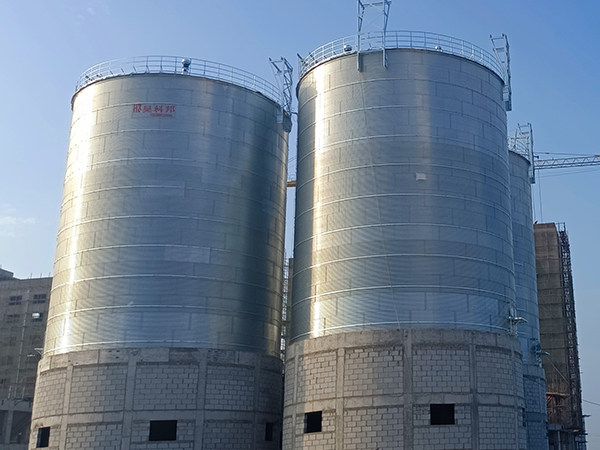
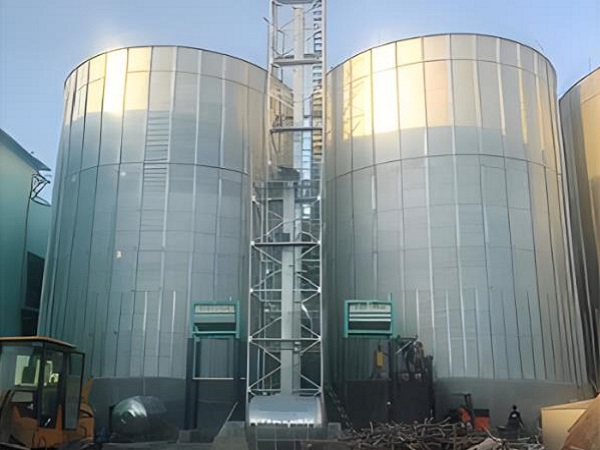
This is what most commercial operations use. Whether they are bolted or spiral, they are fast to build and extremely tough. With high-grade galvanization, they handle the elements for decades.
Best for: Commercial grain, feed mills, and export hubs.
Glass-Lined Steel Silos
Think of these as the “luxury” option. Steel coated in glass. They are nearly impossible to corrode and last 30+ years, but the upfront cost is much higher. Perfect for very corrosive materials or high-end seeds.
Reinforced Concrete Silos
The “set it and forget it” option. They are massive, earthquake-proof, and stay cool inside. The downside? They take forever to build and cost a fortune. Usually reserved for national grain reserves.
FRP & Bag Silos
FRP (Fiberglass) is great for liquids or chemicals. Bag silos are basically giant plastic “sleeping bags” for grain—cheap and portable, but strictly for short-term or emergency use.

Structural Design: How to Choose Your Discharge Method
Flat-Bottom Silos
Designed for large-capacity, long-term storage. These require a Sweep Auger for complete mechanical discharge.
Hopper-Bottom (Conical) Silos
Features a cone base for gravity-fed unloading. Best for high-frequency turnover and automated processing lines to save on labor costs.
Multi-Layer Silos
Ideal for urban or port projects where land is at a premium, utilizing vertical space for high-density storage.
Fluidized Bed Silos
Utilizes controlled airflow to “fluidize” powders, solving the issues of material bridging and wall-clinging in fine-particle storage.
Material Performance & Comparison Matrix
| Silo Type | Primary Material | Durability | Maintenance | Relative Cost | Best Application |
|---|---|---|---|---|---|
| Wooden Silo | Timber/Plywood | Low | High | Low | Small-scale traditional farms |
| Metal Steel Silo | Galvanized Steel | High | Medium | Cost-Effective | Industrial processing & trade |
| Glass-Lined Silo | Glass-Fused Steel | Very High | Low | High | Corrosive / High-hygiene materials |
| Concrete Silo | Reinforced Concrete | Very High | Very Low | High | National strategic reserves & ports |
| FRP Silo | Fiber Plastic | Medium | Low | Medium | Chemicals & liquid additives |
| Bag Silo | Synthetic Fiber | Medium | Low | Low | Seasonal / Emergency storage |
Grain-Specific Tech: Why “One Size Fits All” Doesn’t Work
As Grain Steel Silo specialists, we optimize technical specifications based on the physical properties of your crop:
Maize (Corn): Focus on Ventilation & Monitoring. To prevent aflatoxin caused by heating, we integrate multi-point temperature sensing and high-capacity fans.
Paddy (Rice): Focus on Insulation & Quality. In tropical climates, we recommend insulated walls to prevent condensation, significantly reducing the “broken rice” rate during milling.
Soybeans: Focus on Structural Reinforcement. Given the high lateral pressure of soybeans, we use high-density external stiffeners and automated circulation systems to prevent compaction.
Project Spotlights: From the Field
Nigeria: Fixing the 20% Spoilage Issue
A major maize farm in Nigeria came to us because their traditional bag storage was a disaster—losing 20% of every harvest to humidity and pests. We set up a 2,000-ton bolted silo system with integrated drying. It didn’t just store the grain; it stabilized the moisture. Now, their losses are under 5%, and the extra grain they save is literally paying off the investment.
Vietnam: Fighting Salt Air & Typhoons
Building a 5,000-ton project right on the coast near Ho Chi Minh City is a massive test for any steel structure. The salt air there is brutal—it can eat through standard steel in no time. To fight this, we didn’t just use regular panels; we went with extra-thick galvanization and beefed-up wind ribs to survive typhoon season. If you walk the site now, you’ll see older bins nearby already covered in rust streaks. Our silos, however, are still clean and solid, saving the owner from the nightmare of constant repainting and expensive repairs.
Thailand: Handling “Aggressive” Feed Additives
This wasn’t a standard grain job. The client was mixing specialty poultry feed with acidic additives that chew through galvanized zinc in no time. We went with glass-lined steel here. The glass-to-steel bond creates a surface that acids can’t touch. It’s been years, and the interior is as slick as day one, making batch clean-outs fast and keeping the hygiene levels exactly where the inspectors want them.
Real-World FAQ (What You Actually Need to Know)
No marketing fluff—just the technical truth about grain storage.
Conclusion & Expert Recommendation
Selecting a silo is not just a hardware purchase—it is a long-term strategy for loss prevention. Before finalizing your project, consider material characteristics, local wind/snow loads, and your future automation needs.
📢 Ready to Upgrade Your Storage Capacity?
Whether you need a 500T buffer bin or a 10,000T strategic terminal, our engineers are ready to provide Free Layout Design and Logistic Cost Analysis.
Please scroll down to the inquiry form at the bottom of this page 👇. Provide your crop type and capacity. Our senior project managers will send you a preliminary design and quotation within 24 hours.
COBANSILO ENGINEERING: 15+ YEARS OF GLOBAL GRAIN SECURITY.