What is a modular silo?
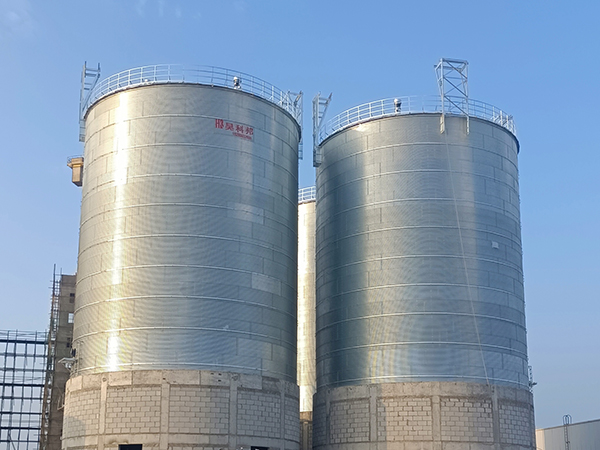
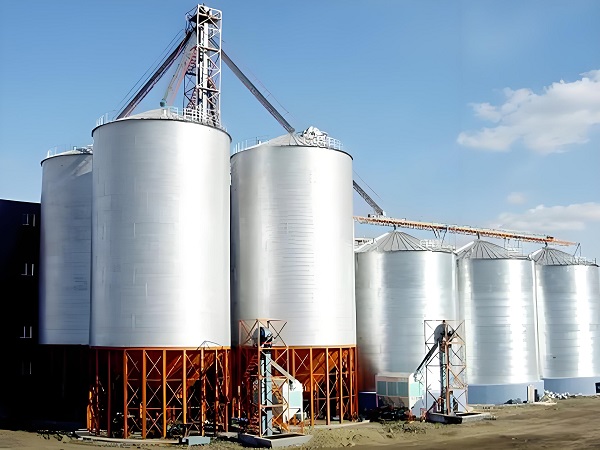
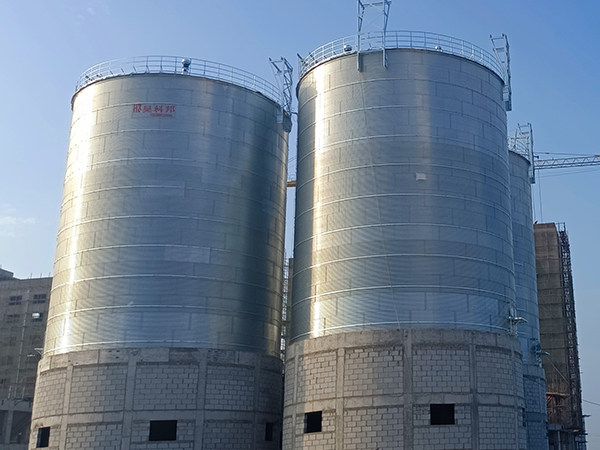
Modular silo are cylindrical storage systems composed of prefabricated steel components. Their core features are:
Standardized design
Using arc-shaped steel plates of uniform specifications (common diameter 3-8 meters)
Building block construction
Adjustable height through bolt connection (single section height is usually 1-2 meters)
Optional functions
Subsystems such as temperature control, metering, and ventilation can be installed. Compared with traditional concrete silos, the assembly time of modular silos can be shortened by more than 60%, which is particularly suitable for operation scenarios that require rapid expansion.

Analysis of structural composition of modular silo
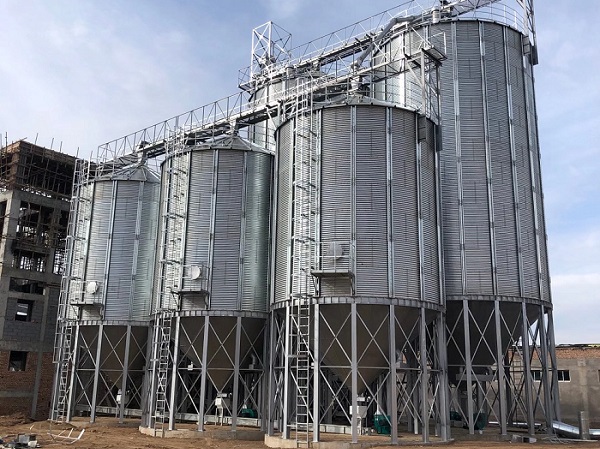
A typical modular silo contains 7 core components:
Foundation ring beam
Hot-dip galvanized steel load-bearing base, anti-settling design
Cylinder module
Corrugated steel plate adopts JIS G3302 standard, thickness 1.2-3mm
Reinforced hoop
A ring reinforcement belt is set for every 3 modules
Conical discharge hopper
Conical angle 55°-60° to ensure material fluidity
Top cover system
Optional dome/flat roof structure, integrated dust removal interface
Ladder platform
Anti-fall system that meets OSHA standards
Intelligent monitoring module (optional): temperature and humidity sensor + Internet of Things transmission unit
Five irreplaceable advantages of modular silo
Short construction period
2000 tons capacity The silo can be installed within 72 hours
Flexible expansion
Supports vertical stacking (up to 30 meters) or horizontal parallel connection
Easy to relocate
The transportation cost after disassembly is only 20% of that of a new project
Easy maintenance
Damaged modules can be replaced individually, and the downtime is less than 8 hours
Cost advantage
The life cycle cost is 35-40% lower than that of concrete structures
Application scenarios of modular silo
Modular silos have shown wide application potential in agriculture and industry due to their flexibility and efficiency.
In the agricultural field, modular silos can realize the storage of bulk materials such as grain and feed in separate warehouses, optimize the adaptability of grain storage, and integrate processing and distribution functions to improve the efficiency of the industrial chain. At the same time, as an emergency grain reserve center, it can quickly respond to disaster crises.
In the industrial field, modular silos are suitable for the storage of bulk materials such as cement, coal, and chemical raw materials to meet the needs of different industries. In addition, its modular design facilitates transportation and installation, especially for multimodal logistics centers and temporary storage scenarios, to achieve efficient resource allocation.
Conclusion
According to statistics from the North American Grain Council, the average storage efficiency of companies using modular silo increased by 27%, and the equipment idle rate decreased by 43%. In Brazil’s main soybean producing areas, 90% of newly built temporary storage facilities have adopted this technology.