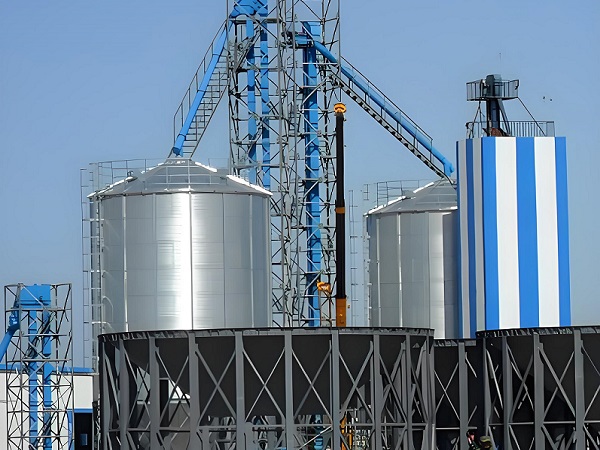
Metal Silo
COBAN grain silos are designed to ensure safe storage, stable ventilation, and long-term grain preservation under different climate conditions. Each silo system can be customized based on capacity, grain type, and project requirements for optimal storage performance and reliability.
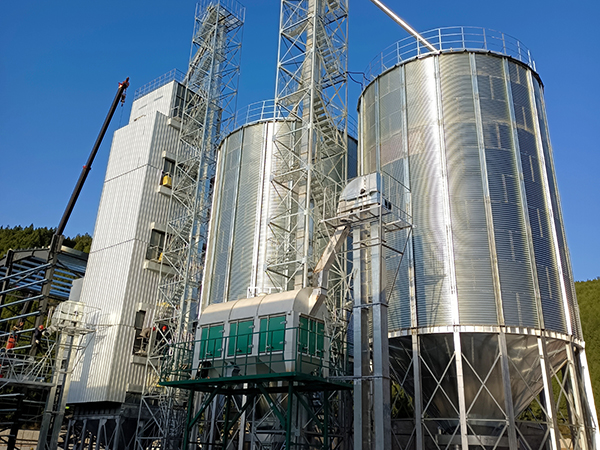
Metal Silo
Storage Capacity:50–10,000 tons
Material:Galvanized steel / Stainless steel
Structure:Corrugated steel panel design
Silo Type:Flat bottom / Hopper bottom
Application:Grain, feed, biomass, bulk materials
- Customized Capacity Design
- High Strength Galvanized Steel
- ISO Certified Manufacturing
- Global Installation Support
Applications
Corn Storage
Wheat Storage
Rice Storage
Soybean Storage
Feed Storage
Commercial Grain Storage
Product Details & Technical Information
What Is a Metal Silo?
A metal silo is a steel storage structure designed for storing bulk materials such as grain, feed ingredients, and agricultural products. In modern grain storage projects, it is widely used because it provides better storage control compared with traditional warehouses.
From our experience in grain storage projects, customers usually choose metal silos for three main reasons: they need to protect grain quality during long-term storage, they want to reduce storage losses, and they need a storage system that can be expanded in the future.
COBAN metal silos are manufactured using galvanized steel plates with a corrugated structure. The steel panels are processed by automatic production equipment and assembled on site with bolts. This modular design allows the silo capacity, diameter, and auxiliary equipment to be customized according to each project.
Depending on the storage purpose, COBAN provides different solutions, including flat bottom metal silos for large-volume grain storage and hopper bottom metal silos for frequent loading and unloading applications.

Grain Storage Metal Silo
Metal Silo Structure and Main Components
A complete metal grain silo is not only a steel cylinder. The performance of the storage system depends on the combination of the silo body, roof structure, discharge system, ventilation equipment, and monitoring devices.
Silo Body
The silo body is made from galvanized steel sheets with a corrugated design.
Compared with flat steel plates, corrugated steel panels provide higher strength and better resistance against pressure from stored grain.
During the design process, engineers consider:
- Storage material characteristics
- Bulk density of grain
- Silo diameter and height
- Local wind conditions
- Temperature and humidity environment
This ensures the silo can operate safely under different working conditions.
For normal grain storage applications, galvanized steel is commonly selected because it provides good corrosion protection and a long service life. For special environments requiring higher corrosion resistance, stainless steel options can also be considered.
Silo Roof
The silo roof protects stored materials from rainwater, dust, and external environmental changes.
Most grain storage metal silos use a conical roof structure because it helps drain rainwater quickly and provides space for ventilation and monitoring equipment installation.
The roof can also be equipped with:
- Access doors
- Ventilation openings
- Safety guardrails
- Temperature sensor installation points
Flat Bottom and Hopper Bottom Design
Choosing the correct bottom design is important because it directly affects unloading efficiency.
Flat Bottom Metal Silo
Flat bottom silos are mainly used for large-capacity storage.
They are suitable for:
- Commercial grain storage centers
- Grain trading companies
- Large farms
- Feed factories
The stored grain is usually discharged through mechanical equipment such as sweep augers or conveyors.
Hopper Bottom Metal Silo
Hopper bottom silos are designed with an inclined bottom that allows materials to flow out by gravity.
They are commonly used where frequent material discharge is required, such as:
- Feed production lines
- Seed processing plants
- Small and medium storage systems
| Type | Main Application | Advantage |
|---|---|---|
| Flat Bottom Metal Silo | Large grain storage | Higher capacity and lower storage cost |
| Hopper Bottom Metal Silo | Frequent unloading | Faster discharge and easier operation |

Customized Steel Silo Storage System
Why Choose Metal Silo for Grain Storage?
Better Protection for Stored Grain
The biggest purpose of a grain storage system is not simply to hold grain, but to maintain grain quality.
A properly designed metal grain silo works together with aeration and temperature monitoring systems to control storage conditions.
For example:
- Aeration reduces grain temperature
- Temperature sensors help detect abnormal conditions
- Sealed structures reduce moisture influence
These systems help reduce problems such as mold growth, insect activity, and quality loss.
Suitable for Different Storage Capacities
One important advantage of metal silos is flexibility.
A small farm may only need one silo for several hundred tons of grain, while a commercial grain terminal may require multiple silos with thousands of tons of total capacity.
COBAN metal silo solutions can be designed from small storage units to large grain storage projects.
Typical applications include:
- 500 ton grain storage systems
- 1,000 ton grain storage systems
- 5,000 ton grain storage projects
- 10,000 ton and above grain storage facilities
Faster Installation Compared with Traditional Storage Buildings
Metal silos are manufactured using standardized steel components.
Most components are prepared before shipment, which reduces complicated construction work at the project site.
Compared with traditional concrete storage structures, steel silos usually require:
- Less construction time
- Less on-site labor
- Easier future expansion
This is especially important for overseas projects where construction conditions and labor availability are different.
Lower Maintenance Requirements
Galvanized steel provides good protection against outdoor environments.
With proper design and regular inspection, a metal silo can provide stable operation for many years.
Maintenance work mainly includes:
- Checking bolts and connections
- Inspecting coating condition
- Cleaning ventilation equipment
- Checking temperature monitoring systems
Applications of Metal Silos
COBAN metal silos are used in many agricultural and industrial fields.
Grain Storage
Common stored materials include:
- Wheat
- Maize
- Rice
- Paddy
- Barley
- Sorghum
- Soybean
Feed Mill Storage
Metal silos are widely used for storing:
- Corn
- Soybean meal
- Feed ingredients
- Finished pellets
Other Bulk Materials
They can also be applied for:
- Biomass pellets
- Agricultural products
- Industrial raw materials
Complete Metal Silo System Solution
In actual projects, customers normally do not need only a storage tank. They need a complete system that allows grain to be received, stored, monitored, and discharged efficiently.
A complete metal silo system may include:
| Equipment | Function |
|---|---|
| Metal Grain Silo | Main storage structure |
| Bucket Elevator | Vertical grain conveying |
| Belt Conveyor | Horizontal transportation |
| Aeration System | Grain temperature control |
| Temperature Monitoring | Storage condition monitoring |
| Dust Collector | Cleaner operation environment |
COBAN can design the complete system according to project capacity, grain type, and customer’s operating requirements.
Customized Metal Silo Solutions for Different Projects
Every grain storage project has different conditions.
A silo suitable for dry climate areas may not be the best choice for tropical regions with high humidity.
When designing a metal silo system, we usually consider:
- What grain will be stored?
- How much storage capacity is required?
- How often will loading and unloading happen?
- What is the local climate condition?
- Is automatic control required?
Based on these factors, COBAN provides customized solutions instead of a standard storage model.
Why Work With COBAN Metal Silo?
A good grain storage project requires more than manufacturing steel panels. Proper design, suitable equipment selection, and reliable operation are equally important.
Based on years of overseas grain storage projects, COBAN focuses on providing practical silo solutions for farms, grain companies, feed mills, and agricultural investors.
From silo design and manufacturing to auxiliary equipment selection, we help customers build a complete and reliable metal grain storage system.
FAQ About Metal Silo
What materials are stored in a metal silo?
Metal silos are commonly used for storing wheat, maize, rice, soybean, feed ingredients, and other bulk materials.
Is a metal silo suitable for long-term grain storage?
Yes. When combined with proper aeration and temperature monitoring systems, metal silos can provide a stable environment for long-term grain storage.
Can a metal silo be customized?
Yes. The silo diameter, height, capacity, discharge method, and auxiliary equipment can be customized according to project requirements.
What is the difference between a grain silo and a warehouse?
A grain silo provides a closed storage environment with better temperature control and easier automation, while a warehouse usually requires more manual management.
Request A Quote
Tell us your capacity, grain type, and project location. We will design a turnkey solution for you.