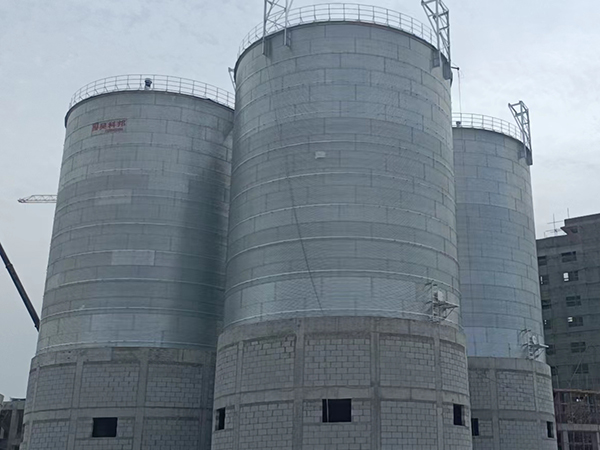
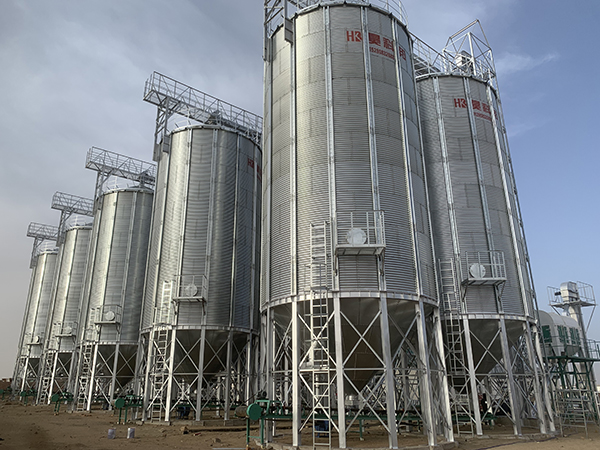
Metal Silo Supplier: Selection Criteria, Industry Trends, and Purchasing Advice
Metal silo are widely used in modern agriculture and grain storage due to their durability, corrosion resistance, and moisture protection, making them ideal for storing grains, feed, fertilizers, and other materials. Selecting the right metal silo supplier is crucial for ensuring product quality, extending equipment life, and achieving safe, efficient storage. This article explores the criteria for selecting metal silo supplier, current market trends, and practical purchasing advice to help you choose the right supplier.
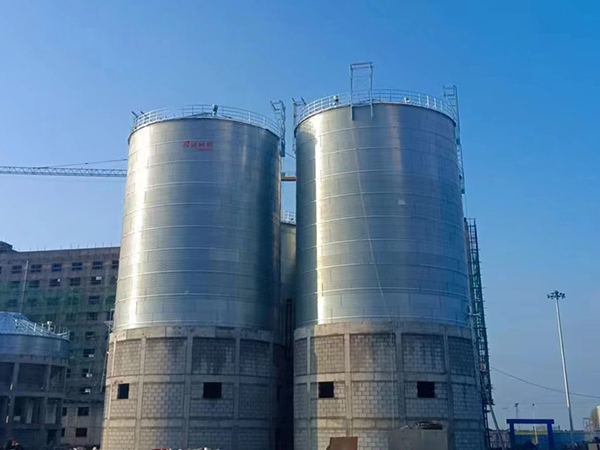
Key Criteria for Choosing Metal Silo Supplier
When selecting a metal silo supplier, there are several key factors to consider to ensure the supplier can meet your needs and provide reliable products and services.
Product Quality and Manufacturing Process
The quality of metal silos directly affects the safety and storage life of stored materials. Evaluating the materials used (such as carbon steel or galvanized steel), production techniques, and corrosion-resistant coatings helps buyers assess a silo’s durability and longevity. Top suppliers typically provide products that meet international quality standards, like ISO and CE certifications, to ensure reliable quality.
Technical Support and After-Sales Service
Installing, maintaining, and operating metal silos require professional technical support. Choosing a supplier who offers installation guidance, repair services, and technical training can make it easier to use the products smoothly. Comprehensive after-sales service, including regular inspections and emergency repairs, reduces usage risks and enhances the customer experience. Quality after-sales support not only boosts customer satisfaction but also extends the silo’s lifespan, lowering long-term costs.
System Features and Technological Innovation
With ongoing advancements in storage technology, many metal silo supplier offer intelligent systems such as temperature and humidity monitoring or automatic ventilation. These systems help maintain stable internal conditions, effectively preventing mold and improving storage efficiency. Suppliers with advanced technology and innovative capabilities provide more efficient and smarter storage solutions. Buyers should look for suppliers offering the right system features and support to ensure they get the most suitable silos.
Supplier Reputation and Market Reputation
The reputation of a supplier reflects their overall strength in products and services. When choosing a metal silo supplier, checking customer reviews and market feedback can reveal their industry standing. Reputable suppliers often focus on product quality and customer service and enjoy high customer loyalty. Industry awards and certifications can also serve as reference points for assessing a supplier’s reliability.
Price Competitiveness and Cost-Effectiveness
Pricing is a critical factor in choosing a supplier. A competitive price should consider the initial purchase cost, durability, maintenance expenses, and system configuration cost-effectiveness. Although high-quality silos may have a higher upfront cost, they are generally more cost-effective in the long run. Buyers should look for competitively priced options that meet budget requirements without sacrificing product quality.
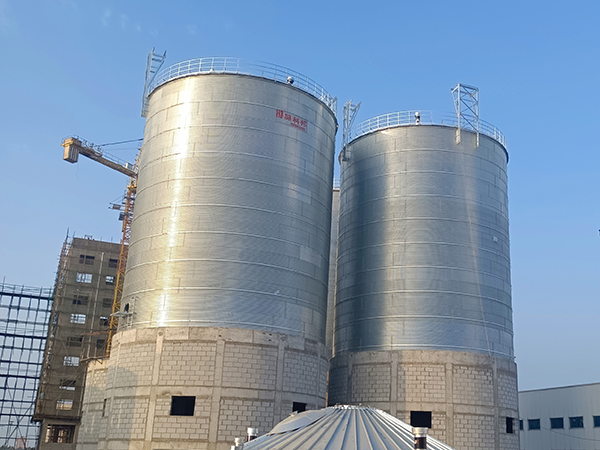
Market Trends for Metal Silo Supplier
As global awareness of food security rises and agricultural production scales up, the demand for metal silos is growing. This growth drives diversity and technological advances in the metal silo supplier market.
Environmental Sustainability
Environmental sustainability has become essential in today’s industrial development. Many metal silo supplier now use eco-friendly materials, reduce carbon emissions during production, and introduce recyclable technologies. In humid and hot regions, environmentally friendly silos with high corrosion resistance and low energy consumption are especially favored. These eco-friendly practices not only align with market trends but also make the supplier’s products more competitive.
Application of Intelligent Systems
Technological advancements have brought widespread use of intelligent systems in modern metal silos. More suppliers now offer smart silos equipped with temperature and humidity monitoring and automated ventilation, allowing users to remotely monitor and control internal conditions. These systems meet the needs of precision agriculture and help customers better preserve grain quality.
Increasing Demand for Customization
Different enterprises have different storage needs, and customization has become a significant trend in the metal silo market. Many suppliers offer customized services in silo size, material, and system configuration to meet specific customer requirements. Customized products and services enhance supplier competitiveness and better address customers’ unique needs.
Advice for Purchasing Metal Silo
Choosing the right supplier is crucial for ensuring product quality and storage efficiency. Here are some practical purchasing tips to help customers effectively evaluate and select a supplier.
Clarify Storage Needs
Before purchasing, customers should clarify their storage requirements, including grain type, storage quantity, and duration. Different grains require specific ventilation and moisture-proof measures, so defining needs helps buyers select the appropriate silo specifications and features to avoid resource waste.
Evaluate the Supplier’s Expertise
In practice, customers can assess the supplier’s expertise by visiting their manufacturing facility, reviewing product samples, and examining past projects. Professional metal silo supplier typically have extensive experience and advanced equipment to deliver high-quality products and services. In addition, buyers can ask if the supplier provides technical consulting and installation guidance to ensure the silo suits specific scenarios.
Emphasize Contracts and After-Sales Guarantees
Contracts protect both parties’ interests, so customers should carefully specify delivery times, product specifications, and after-sales terms. Choosing a supplier that offers robust after-sales service, such as regular inspections and repairs, effectively reduces the risk of issues and ensures a positive user experience.
Compare Price and Quality
Within budget, customers should compare prices across suppliers, factoring in quality, durability, and system configurations. Low prices don’t always indicate high value, especially in long-term use, where high-quality products prove more cost-effective. Buyers should consider price and quality comprehensively to find the best-value silos.
Conclusion
Choosing the right metal silo supplier is essential in grain storage, as quality suppliers provide reliable, durable, and well-suited products. In today’s market, eco-friendly practices, intelligent systems, and customized services make suppliers more competitive. When selecting a supplier, buyers should consider product quality, system features, after-sales support, pricing, and reputation to ensure their business needs are met and that they enjoy a positive experience with the product.