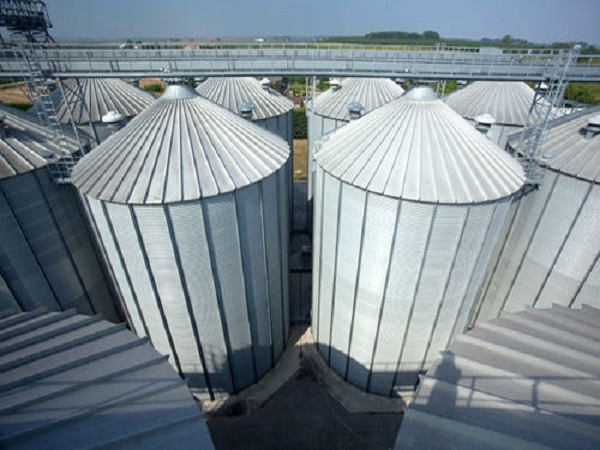
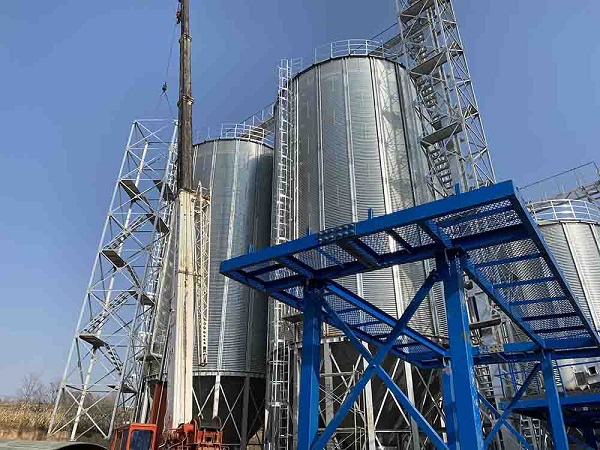
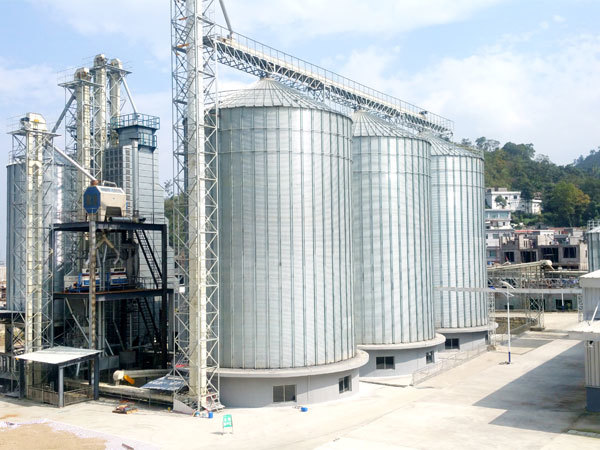
It is important to note that effective management starts with the right equipment. A [well-engineered soybean meal silo] with a steep hopper angle can significantly reduce the difficulty of daily maintenance.
Management of Soybean Meal Silo and Storage Requirements
The management of soybean meal entry is a crucial aspect of soybean meal silo management. Quality control personnel conduct random sampling and tests, and then move only the batches that pass the inspection into storage. Workers store each batch of soybean meal separately by type and grade to prevent mixing of different batches or grades. Workers should promptly remove and process any unqualified products to maintain overall quality in the silo.
Regular Quality Monitoring and Traceability
We must conduct regular quality inspections to ensure the quality of soybean meal during storage. The quality control department should carry out periodic sampling of the stored soybean meal and maintain a quality tracking ledger. This ledger should include detailed records of each batch’s moisture content, protein levels, and urease activity. We should link the results of these inspections with the entry and exit records to ensure traceability of the soybean meal’s quality.
Bin Reversal and Storage Safety
To prevent clumping or bridging of soybean meal in the silo, it is essential to plan bin reversal operations carefully. The frequency of bin reversal depends on the amount of stored material and the duration of storage:
- If the silo contains less than 500 tons and the storage period is less than 10 days, we do not need to perform a bin reversal. If it exceeds 10 days, we should perform a minor reversal.
- For silos holding between 500 and 1000 tons, perform a bin reversal every 12 hours in spring and summer, and every 10 hours in autumn and winter.
- For silos with 1000 to 1500 tons of soybean meal, a reversal should be done every 6 hours.
- For silos exceeding 1500 tons, a reversal should be performed every 4 hours.
- If we activate the unloading screw conveyor for shipping, we consider it equivalent to a bin reversal.
- For silos holding more than 2000 tons, we should activate the screw conveyor every 4 to 6 hours when not unloading. This is treated as a point-turn operation.
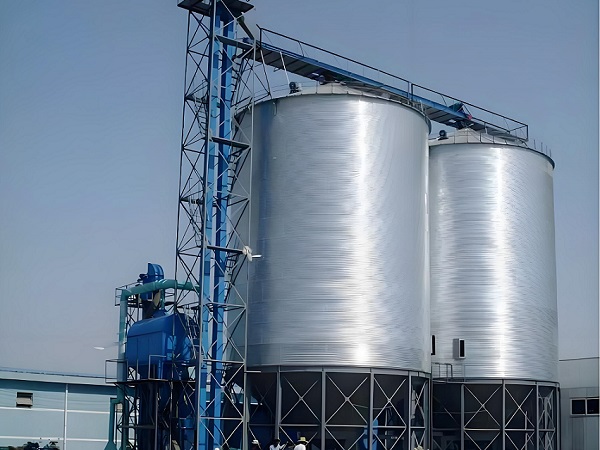
- While these manual operations are vital, choosing a [soybean meal storage silo with automated aeration] and high-grade galvanization can minimize the frequency of bin reversals.
Shipping Operations and Quality Management
According to the shipping plan, the dispatch team in the packing room should first confirm the arrival of the delivery vehicles. Then, they should verify the shipping documents before arranging vehicle loading. The dispatch team will coordinate with the soybean meal operations team. They will provide the appropriate soybean meal with the required protein content. The operations team must strictly follow the “first in, first out” principle. They should also arrange shipments efficiently according to stock levels and production status.
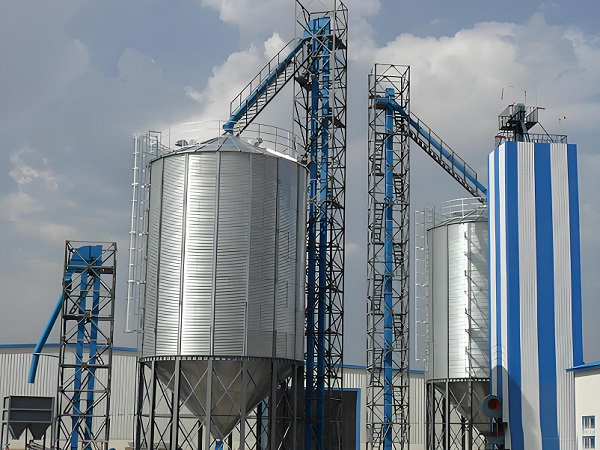
Bin Cleaning and Safety Management
To maintain the quality of the stored soybean meal, we may need to conduct periodic or ad-hoc silo cleaning operations. These operations must comply with confined space safety management regulations. After the silo doors are opened, cleaning personnel must inspect the interior to check whether the soybean meal is clumped or adhered to the walls. If the meal is not clumped or stuck, and if safety permits, cleaning can proceed directly.
During the cleaning process, we must close the silo top gate, power off and lock the unloading screw conveyor, and turn on the small top fan to ensure natural air circulation inside the silo. All cleaning tools must be provided by the silo and registered before use. After cleaning, we should check all tools and remove them from the silo to ensure no soybean meal residue remains.
We can effectively maintain the quality of soybean meal in the silo by implementing strict entry management, quality monitoring, bin reversal scheduling, shipping operations, and cleaning procedures. This ensures the safe and efficient operation of the soybean meal silo. Are you planning to upgrade your facility? Explore our [Ultimate Guide to Soybean Meal Silos] to find the perfect technical specifications for your feed mill.