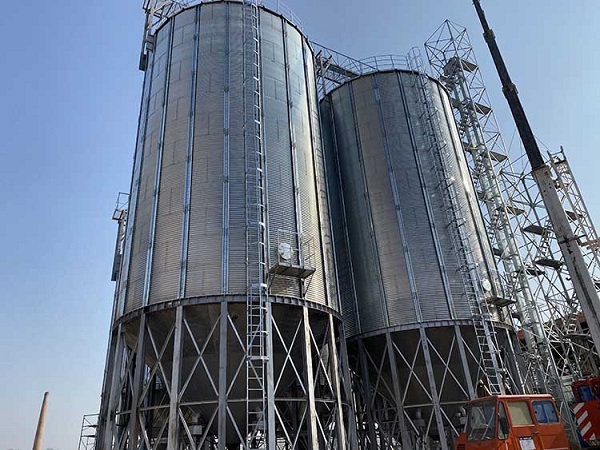
“Proper maintenance is critical for high-capacity assets. For those currently planning or operating larger facilities, such as the popular 500-ton models, our
500-ton silo technical guide
offers specific advice on anti-corrosion materials like Z450 galvanizing that work alongside these cleaning methods.”
The importance of regular maintenance
In Thailand’s tropical climate, grain silos are highly susceptible to mildew and pests due to heat and humidity. Timely maintenance not only extends the service life of your equipment but also drastically reduces grain loss and operating costs.
We recommend conducting routine inspections at least once a quarter using the following Silo Health Checklist:
| Inspection Focus | Maintenance Key Points | Why it Matters in Thailand |
| Silo Sealing | Check the top roof and bottom cone seals for leaks. | Prevents rainwater entry during monsoon season. |
| Vents & Ports | Ensure cleanliness of vents and smooth operation of discharge gates. | Prevents blockage and ensures proper airflow. |
| Monitoring System | Test sensors for temperature and humidity accuracy. | Detects early signs of grain fermentation or “hot spots.” |
| Inner Walls | Check for dust accumulation, residual grain, or odors. | Eliminates breeding grounds for mold and pests. |
Choosing the right equipment from the start is the best form of maintenance. As specialized grain storage silo manufacturers, we mitigate these risks by using high-tensile steel with Z350-Z450 galvanized coatings. This heavy-duty protection simplifies long-term maintenance, ensuring your storage remains rust-free for decades.

Cleaning process and technical points
Grain silo cleaning operations should strictly distinguish between the two key links of “pre-storage pretreatment” and “deep cleaning after leaving the warehouse”. Standardized operation procedures need to be formulated and implemented step by step to ensure that the hygiene standards are met.
Cleaning before grain storage
Before a new round of grain is stored in the warehouse, the interior of the empty warehouse should be fully cleaned and sterilized. The recommended operating steps are as follows:
Remove debris and residual particles
It is recommended to use industrial-grade vacuum equipment combined with manual cleaning to thoroughly remove the accumulated grain and impurities at the bottom of the warehouse to eliminate the hidden dangers of mold breeding.
Scrubbing and spraying disinfectants
It is recommended to use a high-pressure water gun to thoroughly rinse the inner wall of the warehouse and the working platform. After the surface is dry, use food-grade disinfectants to disinfect key parts such as the material channel, door frame joints and vents without dead corners.
Ventilation and drying
After cleaning, the ventilation system needs to be opened to dry naturally or use a blower to force drying to ensure that there is no moisture residue inside.
Clearing the warehouse after grain storage
After the grain is out of the warehouse, the warehouse should be cleared immediately to avoid residual grain fermentation or attracting pests. Cleaning at this stage emphasizes deep pest control and structural inspection:
Cleaning the temperature-controlled exhaust system:
Focus on cleaning the dust in the air duct and moisture outlet to ensure smooth air circulation;
Rust-proof maintenance of metal components:
Rust-proof paint or lubricant can be applied to the bottom plate, ladder frame, and fixing bolts;
Inspect the spiral conveyor:
If the silo is equipped with a loading or unloading machine, the body and spiral shaft should be disassembled and cleaned simultaneously to remove oil and grain blockages.

Pest control and sanitation control
During the rainy season in Thailand, the temperature is high and the humidity is high, and grain silo are very likely to attract beetles, moths and other grain storage pests. To this end, the following measures cannot be ignored:
Use phosphine fumigation:
Strictly control the dosage and sealing conditions, and wear protective equipment during operation;
Install rodent-proof fences and nets:
Prevent small rodents from invading the bottom of the silo or the air duct system;
Deploy automatic induction insect traps:
Effectively reduce the density of flying insects around the silo and maintain the overall grain storage environment.
Operators must strictly implement hygiene regulations and must wear disinfected special protective clothing before entering the silo to prevent external pollutants and pests from entering the storage environment.
Daily maintenance of automated monitoring systems
Most modern grain silos are equipped with intelligent temperature and humidity monitoring, automatic ventilation, and remote control systems. However, if these systems lack regular maintenance, data errors or response delays are prone to occur, putting your grain at risk.
It is recommended that operators:
Perform system calibration once a month to ensure sensor accuracy.
Clean sensors and control panels regularly to prevent dust interference.
Check connectivity for remote data synchronization and software stability.
For a closer look at how these systems are integrated into large-scale facilities, see our investment and technical guide for 1,000-ton hopper bottom silos, which features advanced real-time inventory and temperature management systems designed for the Thai market.
If your current storage facilities are beyond repair, it may be time to consider a modern upgrade. You can review the construction cycle of a 200-ton grain steel silo in Thailand and our detailed analysis of purchasing costs and freight to Thailand to plan your facility’s replacement.
Conclusion: Pay attention to every link to ensure food security
Grain silos are not only grain storage carriers, but also a safety barrier for agricultural logistics systems. Especially in a large agricultural country like Thailand, any small management omission may cause a large amount of grain to become moldy or lost. Therefore, establishing a standardized maintenance system, equipping professional cleaning equipment, and training operators’ safety awareness are the key to improving grain storage capacity.
Scientific and effective grain silo management is the core element to ensure the quality of stored grain. By establishing standardized operating procedures and a complete maintenance system, it can not only maintain the quality of grain to the maximum extent, but also provide a solid guarantee for the stable operation and sustainable development of the grain industry chain.