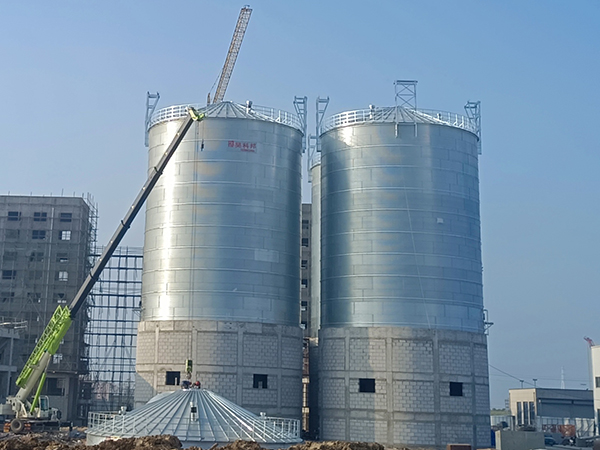
What Are the Main Functions of Flour Storage Silo?
With the rapid development of the grain processing industry, flour storage silo have become widely used as a modern grain storage solution. Compared to traditional storage methods, flour storage silos not only offer more efficient storage capacity but also ensure the quality and safety of flour. The design and functions of flour storage silos make them an indispensable part of large-scale production and modern management. This article will explore the main functions of flour storage silos, helping readers understand their vital role in grain processing and storage management.


Large Capacity Storage and Space Utilization
The primary function of flour storage silo is their large capacity storage advantage. Traditional storage methods, such as bagged or flat warehouse storage, occupy significant space and are complex to manage. In contrast, flour storage silos use a vertical design to maximize space utilization and greatly enhance storage efficiency.
- Efficient Space Utilization: Flour storage silo are typically designed as tall cylinders, allowing more storage capacity within limited floor space. A standard silos can store hundreds or even thousands of tons of flour, making it especially suitable for grain processing companies that need bulk storage. Compared to traditional warehouses, silos store much more flour in the same footprint.
- Adapting to Large-Scale Production: Flour storage silo are ideal for large-scale flour production and processing enterprises. In modern production lines, flour production, transport, and storage are continuous processes. Silos provide uninterrupted storage capacity, seamlessly integrating with the production line to ensure constant supply.
Ensuring Flour Quality and Extending Shelf Life
A key function of flour storage silo is to ensure the quality of flour during storage. Flour is vulnerable to moisture, mold, and pest infestation, but the sealed design and environmental control systems of silos effectively prevent these issues.
- Moisture-Proof Sealing: Flour storage silo are usually made from high-quality metals with special treatments to ensure excellent sealing. This prevents moisture and dust from entering the silo, keeping the flour dry and preventing spoilage. By maintaining a dry environment, silos significantly extend the shelf life of the stored flour.
- Temperature and Humidity Control: To further ensure flour quality, modern flour storage silos are equipped with temperature and humidity monitoring systems. These systems automatically adjust internal conditions based on environmental changes, maintaining the ideal storage environment for flour, which needs to be kept in a dry and moderate temperature environment.
Automated Management and Intelligent Monitoring
Automated management is critical for improving efficiency and reducing labor costs in modern grain processing enterprises. Flour storage silo provide automated management functions, allowing seamless integration with other systems and equipment for fully automated storage and handling.
- Automated Loading and Unloading Systems: Flour storage silo are equipped with automated loading and unloading mechanisms, such as pneumatic conveyors or screw conveyors. Flour can be efficiently transferred into and out of the silo without manual intervention, improving overall efficiency.
- Intelligent Monitoring Systems: Silos come with intelligent monitoring systems that provide real-time updates on storage conditions. Sensors monitor key factors such as temperature, humidity, and storage levels. The system also has an alert function, notifying managers of any anomalies so that they can take corrective actions before flour quality is compromised.


Minimizing Storage Loss and Maximizing Economic Efficiency
Flour storage and transportation often lead to losses due to damaged packaging or improper handling. The design of flour storage silo significantly reduces these losses, thus improving economic efficiency.
- Preventing Packaging Damage: In traditional storage, bagged flour is frequently handled, leading to packaging damage. In contrast, flour stored in silos is directly transported through pipes, eliminating the need for constant handling and reducing the risk of packaging-related issues.
- Reducing Storage Losses: The controlled environment within the silo prevents flour from absorbing moisture or developing mold, both of which contribute to storage loss. Additionally, regular monitoring and system alerts help identify problems early, further minimizing losses and improving overall economic returns.
Ensuring Food Safety and Meeting Industry Standards
Food safety is a top priority in flour storage management. As flour is a food ingredient, its storage must comply with strict hygiene standards. Flour storage silo are designed and built to ensure that flour remains safe and uncontaminated during storage.
- Preventing External Contamination: Flour storage silo are made from corrosion-resistant, food-grade materials that meet both national and international food safety standards. The sealed environment also prevents insects, dust, and other contaminants from entering the silo, ensuring that the stored flour remains clean and hygienic.
- Reducing Human Contact: The automated handling systems in silos minimize human interaction with the flour, reducing the risk of contamination from improper handling. This is critical for maintaining the safety and cleanliness of the stored product.
Flexibility and Ease of Maintenance
In addition to high storage efficiency and advanced automated management, flour storage silo are also known for their flexibility and ease of maintenance. Whether for daily operations or periodic maintenance, silos are designed with user-friendly features.
- Flexible Storage Management: Silos can be divided into multiple storage units, allowing different batches or types of flour to be stored separately, preventing cross-contamination. The design also allows for quick adjustments in storage volume to meet varying production demands.
- Easy Maintenance: Flour storage silo are easy to clean and maintain. Regular cleaning and maintenance can prolong the life of the silo and reduce the likelihood of malfunctions. Intelligent monitoring systems also provide early warnings for potential issues, enabling timely repairs and preventing major breakdowns.
Conclusion
In summary, flour storage silo offer numerous critical functions, including large capacity storage, ensuring flour quality, automated management, minimizing losses, and ensuring food safety. Their role in modern grain processing and storage management is invaluable. Through advanced design and technology, flour storage silos improve storage efficiency significantly. They also guarantee that the flour remains safe and in compliance with industry standards. As technology evolves, flour storage silos will become increasingly significant in the grain industry. They will serve as a key tool for enhancing storage efficiency and quality management.