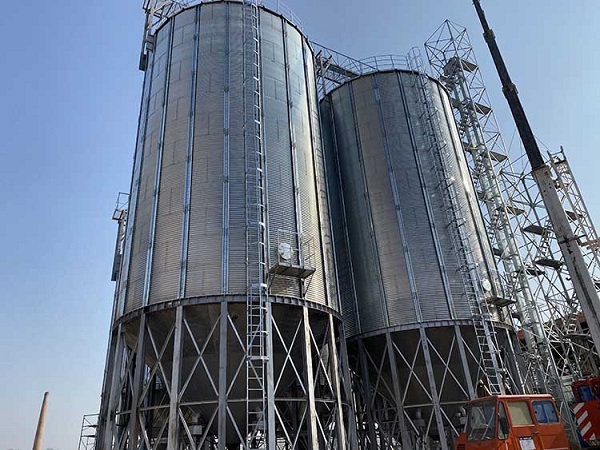
The Main Advantages of a Sunflower Seed Storage Silo
Sunflower seeds, as an important agricultural product, are widely used in industries such as edible oil production, food processing, and animal feed. To ensure the quality and yield of sunflower seeds, it is essential to use scientific and effective storage methods. The sunflower seed storage silo, a specialized facility for large-scale seed storage, offers efficient and reliable storage solutions and has become a key tool in agricultural and industrial production. This article will explore the main advantages of a sunflower seed storage silo and analyze its significance in modern agriculture and food processing.


Providing an Ideal Storage Environment
The primary advantage of a sunflower seed storage silo is its ability to provide an ideal storage environment. Sunflower seeds are highly sensitive to storage conditions, especially when it comes to controlling humidity and temperature. A sunflower seed storage silo is typically designed with a sealed structure that effectively prevents external air, moisture, and pests from entering. This sealing capability not only ensures the seeds remain dry but also minimizes the impact of external environmental factors on seed quality.
In addition, the silo is equipped with advanced ventilation systems that can adjust according to changes in humidity and temperature inside, ensuring optimal storage conditions. This enables sunflower seeds to be stored for longer periods without the risk of moisture, mold, or spoilage, thereby maintaining consistent product quality.
Enhancing Storage Efficiency
The second major advantage of a sunflower seed storage silo is its ability to enhance storage efficiency. Compared to traditional flat warehouses or simple storage methods, silos make more efficient use of vertical space, allowing for large-scale storage needs to be met. Modern sunflower seed storage silos are typically designed to store hundreds or even thousands of tons of seeds, offering a convenient solution for enterprises to store sunflower seeds during peak harvest seasons.
Moreover, silos are equipped with automated loading and unloading systems, allowing seeds to be moved in and out of the silo using mechanized equipment. This not only reduces labor costs but also significantly improves operational efficiency. During busy production periods, the automation of sunflower seed storage silos can greatly reduce the time required for seed handling, optimizing the entire production and processing workflow.
Increasing Safety
Safety is a critical factor in the storage of sunflower seeds, and sunflower seed storage silo offer substantial advantages in this regard. First, the structure of the silo is robust, typically constructed from high-quality steel or other materials resistant to corrosion and high temperatures. This ensures that the silo can withstand extreme weather conditions, protecting the stored seeds from external threats such as rain, strong winds, or fires.
Secondly, the silo’s automatic temperature and humidity control systems continuously monitor the internal environment. When temperature or humidity levels exceed the preset range, the system automatically adjusts the relevant equipment, ensuring the seeds remain in a safe storage condition. In addition, some advanced silos are equipped with fire detection and prevention systems, further reducing the risk of unexpected incidents.


Preventing Pest Infestation
Pest infestation poses a continuous risk to the quality of stored agricultural products. This is particularly true for high-oil seeds like sunflower seeds, as they are highly attractive to rodents and insects. A sunflower seed storage silo, with its sealed structure and integrated pest control systems, effectively prevents pests from entering and causing damage.
Some modern silos incorporate advanced features such as intelligent pest monitoring systems. These systems are capable of detecting pest activity and automatically initiating control measures when required. These systems can employ physical barriers or safe fumigation techniques to protect the seeds from pest-related damage. This advantage enhances the safety of sunflower seed storage by sealing the environment from potential pests. Additionally, it lowers the costs and risks associated with pest control for businesses.
Meeting Environmental Standards
As environmental awareness continues to grow, sunflower seed storage silo are increasingly designed with sustainability in mind. The sealed design and automated control systems of the sunflower seed storage silos contribute to energy efficiency. They do this by minimizing the need for extensive temperature regulation and ventilation, thereby reducing energy consumption. Certain sunflower seed storage silos incorporate renewable energy sources in their operations. For instance, they may utilize solar power to run their systems, which in turn helps to reduce carbon emissions.
Furthermore, the materials used in constructing these silos are often environmentally friendly and do not release harmful chemicals. Additionally, the silo’s intelligent management systems optimize the storage process, minimizing seed loss and waste, further improving resource efficiency. This environmentally responsible design aligns with the sustainability goals of businesses while offering a green solution for modern agriculture.
Reducing Costs
In the long run, sunflower seed storage silo can significantly reduce operating costs for businesses. The initial investment required for such equipment can be substantial. However, the silo’s efficient storage capacity, automation, and low energy consumption contribute to significant reductions in labor, energy, and maintenance costs over time. In large-scale sunflower seed storage and processing operations, the automation of silo equipment is particularly beneficial. It significantly boosts productivity and reduces the time required for storage and logistics processes.
The silo is designed with durability and high safety standards, which ensures it has an extended service life. As a result, it demands minimal maintenance throughout its usage. Compared to traditional storage methods, businesses using sunflower seed storage silos can achieve considerable economic benefits over time.
Conclusion
In conclusion, sunflower seed storage silo offer numerous advantages. They offer an optimal environment for storage, which enhances efficiency and safety while preventing pest infestations. Additionally, they meet contemporary environmental standards and significantly cut down business costs. Sunflower seed storage silos are widely applied in agriculture and food processing industries. They assist businesses in enhancing product quality, streamlining storage management, and boosting production efficiency. Technology is continuously advancing, and with it, the functionality and performance of sunflower seed storage silos are expected to improve. These improvements will contribute significantly to the ongoing development of modern agriculture.