Key Components of Metal Silo and Their Essential Role in Storage
Metal silo have become a critical facility in agricultural storage due to their efficiency, durability, and protective capabilities. Designed with scientific precision, metal silos rely on a combination of structural components that work together to ensure the safe and high-quality storage of grain. Understanding the structural components of metal silo helps us appreciate their working principles and optimizes their storage functions. This article will provide an in-depth look at the key components of metal silos and explain the role each part plays in grain storage. Our precision-engineered parts are what set us apart from other [Metal Silo Companies]. By focusing on Z600 galvanization and high-tensile steel, we provide a superior storage safe for your harvest.

Silo Body Structure
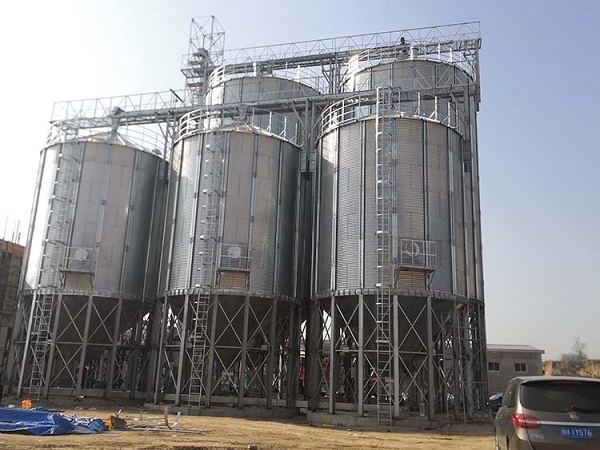
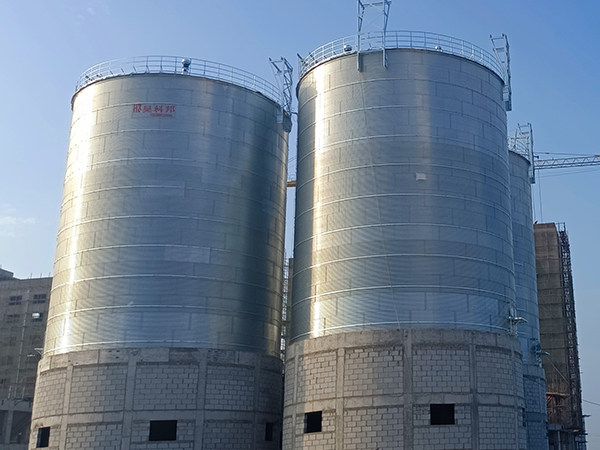
The silo body is the core of a metal silo’s structure. Generally cylindrical or polygonal, it is made of high-quality steel or galvanized steel sheets, which are highly corrosion-resistant and waterproof. This design enables the silo to withstand various weather conditions and ensures long-term use. The height and diameter of the silo body can be customized according to storage needs, with its vertical structure maximizing space efficiency, allowing a large amount of crop storage within a relatively small footprint.
The inner walls of the silo body are smooth, minimizing friction damage during grain loading and unloading. This smooth surface also makes cleaning easier, preventing residual grain or dust buildup that can lead to pests or mold. The sturdy body structure also enhances the silo’s resistance to natural disasters, providing added safety for grain storage. Each component is engineered to meet global standards. You can see how these parts come together in our full range of [Metal Silo] products.”
Roof System
The roof system of a metal silo is crucial for sealing and protecting the stored contents. Typically made from high-strength metal, it prevents moisture, dust, and other contaminants from entering. The roof can also withstand external pressure, maintaining the silo’s stability.
Advanced metal silo roofs often incorporate airtight and ventilation features. During storage, the ventilation system on the roof helps regulate internal airflow, preventing moisture and heat buildup that can lead to grain spoilage. The well-sealed design of the roof enhances the overall airtightness of the silo, effectively keeping out pests.
Loading and Unloading System
The loading and unloading system is a key component for efficient operation, consisting of inlet, outlet, and conveyor equipment. The inlet, located on the top or side of the silo, usually has an automated feeder that controls the flow of grain into the silo, preventing clogging from overloading.
The outlet, typically located at the bottom, allows grain to flow out by gravity. It includes control valves and conveyors, enabling precise control of the grain’s outflow speed and minimizing manual labor. Larger silos may incorporate fully automated conveyors, such as augers or chain conveyors, to automate the loading and unloading processes and increase storage efficiency.
Temperature and Humidity Control System
The temperature and humidity control system is essential for maintaining grain quality during long-term storage. Variations in temperature and humidity inside the silo directly affect the shelf life and quality of stored grain. Metal silo are often equipped with sensors that monitor these parameters, adjusting the ventilation and cooling systems as needed to create optimal storage conditions.
In advanced systems, sensors work with automated ventilation units. When the sensors detect temperature or humidity levels outside the safe range, the system automatically activates ventilation, reducing the temperature and humidity levels to prevent mold and pest growth. This system greatly extends the storage period, minimizing losses caused by poor storage conditions.

Ventilation System
The ventilation system is essential for maintaining air circulation within the metal silo, which helps disperse heat and lower humidity. Ventilation systems usually include inlets and ducts that introduce fresh air while exhausting hot air, creating a suitable environment inside the silo.
Ventilation can be either natural or mechanical. Natural ventilation relies on wind pressure or temperature differences to circulate air, while mechanical ventilation uses fans to force air through the silo. Mechanical systems can also adjust airflow automatically based on feedback from the temperature and humidity control system, ensuring grain is stored under ideal conditions.
Sealing System
The sealing system is crucial for keeping the internal environment stable and protecting stored grain from external contaminants. Effective sealing prevents moisture, dust, and pests from entering the silo, protecting grain from dampness, mold, and infestations.
A metal silo’s sealing system usually includes waterproof seals and high-strength coatings that enhance airtightness. Some systems also feature airtight valves that adjust internal air pressure to optimize the seal. This design allows the metal silo to maintain a stable internal environment under various weather conditions, improving the safety of grain storage.
Automated Control System
Many metal silo are equipped with automated control systems as part of the agricultural sector’s increasing adoption of automation. These systems control temperature, humidity, ventilation, and loading/unloading operations, enabling fully automated grain management. The automation improves operational efficiency and reduces the need for manual intervention, minimizing human error.
Automated control systems also transmit real-time data to central monitoring platforms, allowing managers to track storage conditions continuously and make timely adjustments. This intelligent management approach makes metal silo operations more efficient and reliable, supporting modern agricultural practices.
Conclusion
In summary, metal silo consist of several key components, including the body structure, roof system, loading and unloading system, temperature and humidity control system, ventilation system, sealing system, and automated control system. Each component plays a specific role that collectively ensures the safety and quality of stored grain. The silo body provides the main framework and storage space, while the roof system ensures airtightness, the loading and unloading system facilitates efficient handling, and the temperature and humidity control system along with the ventilation system maintain optimal storage conditions. The sealing and automated control systems further enhance storage safety and management efficiency.
Metal silo serve as a safe, reliable storage solution for agricultural production due to their scientific design and efficient management systems. As technology continues to advance, metal silos will likely become more intelligent, providing even better options for the efficient and secure storage of grain. Our precision components ensure maximum safety for delicate crops. Learn more about our grain-specific optimizations in the [Metal Grain Silo] guide.