This article will delve into the various methods of grain storage and their advantages and disadvantages, while also introducing how Kebang provides high-quality grain storage services through innovative technology, that your grains always remain in optimal condition.

Basic Requirements for Grain Storage
The most important thing when storing grain is to keep it dry and ensure good ventilation. Professor Ken Hellewan of North Dakota State University suggests that grains are best stored in an environment with the right temperature and controlled humidity to avoid rot and insects. The moisture, temperature and ventilation conditions of grains are key to the storage effect. Choosing appropriate storage facilities and technology is particularly important.
Several Common Methods of Grain Storage
Bag Storage
Bag storage is a traditional method used by many farms. The is placed in plastic or cloth bags and stored on the ground or on shelves. The advantage of this method is its simplicity and low cost, making it ideal for small-scale storage However, bag storage has its limitations, especially in terms of humidity control. If the grain moisture content is too high, the moisture inside the bag is difficult to discharge, which can to mildew, decay, and even pest infestation.
Advantages:
Suitable for small-scale storage, easy to operate.
Less equipment investment low cost.
Disadvantages:
Difficult humidity control, prone to mildew.
Easily affected by wildlife, bags may be torn.
to regularly check the condition of the bag to avoid damage.
Pile Storage
Pile storage is suitable for larger-scale grain storage, often piling grain in open stacks. Although this method can achieve bulk storage, its disadvantages are also very obvious. Severe weather such as downpours and floods can quickly damage the quality of grain pile, causing the grain to become damp or even lost. Although sometimes covering and ventilation equipment can be used to reduce moisture loss, open storage is always at risk.
vantages:
Suitable for bulk grain storage, large capacity.
Relatively low investment.
Disadvantages:
Easily affected by weather, rain humidity are the biggest threats.
Needs effective drainage and waterproofing facilities.
The grain pile is susceptible to wildlife and insect infestation
Cold Storage
Cold storage is one of the more advanced methods of grain storage. By controlling the temperature the grains in a low-temperature environment, it reduces the occurrence of pests and mold, and extends the storage period of the grains. Appropriate cooling can effectively reduce the of moisture and temperature fluctuations in the grains, thereby reducing the risk of spoilage. Especially in northern regions, the low winter temperature provides a natural cooling condition for grain storage, while southern regions, additional cooling equipment is needed to maintain a suitable storage temperature.
Advantages:
Significantly extend storage time through temperature control.
Effectively prevent and insect problems.
Disadvantages:
High initial investment, requiring refrigeration facilities.
Need for professional equipment and management, complex operation.
Warehouse Storage
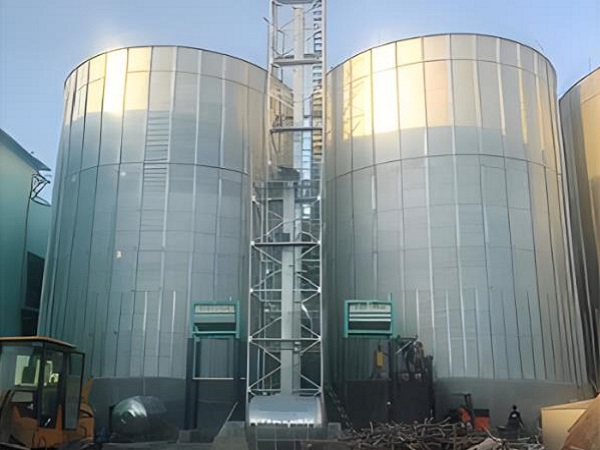
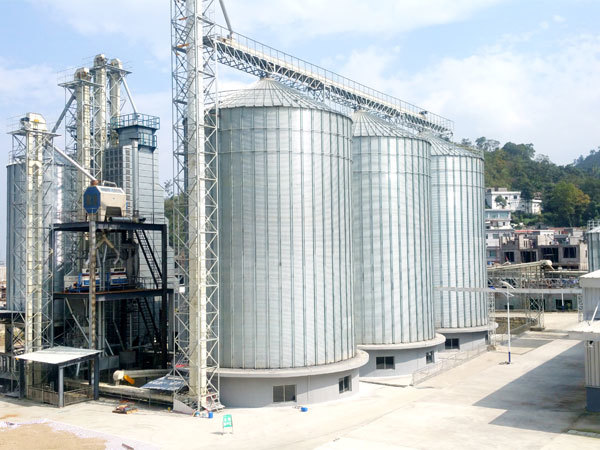
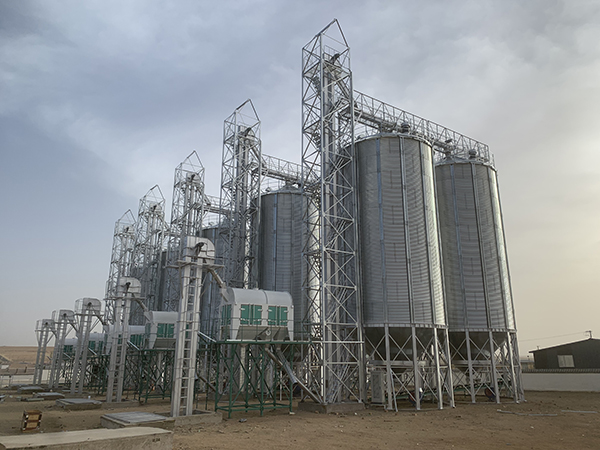
Warehouse storage is a standardized method commonly used by large-scale grain enterprises or cooperatives. Most of today’s storage facilities are equipped with ventilation systems, temperature and humidity control equipment, and are equipped with moisture-proof, rodent-proof and other safety measures, which can effectively ensure the quality and safety of grain during storage.
Advantages:
Efficient management, capable of large-scale storage.
Strict temperature and humidity control, reducing quality loss
High security, helps reduce external interference.
Disadvantages:
High initial construction and maintenance costs.
Need for more professional equipment and technical support.

Structural Requirements for Grain Storage
Regardless of how grain is stored, architectural design is particularly important. Especially when stored in warehousing facilities or in bags, the walls and supports of the building will bear the weight and pressure of the grain. If the design is not strong enough, it may cause structural deformation or damage. Therefore, when designing, it must be ensured that it can withstand these loads.
For example, before storing grain, is imperative to check whether there is any misalignment of the walls or structural deformation of the storage building. If any looseness or damage to the connection parts of the building is, it should be repaired and reinforced immediately. To ensure the long-term safety of grain storage, Kebang recommends regular inspection and maintenance of storage facilities to ensure that every link safety standards.
Kebang’s Grain Storage Solutions
As a leading provider of agricultural equipment and storage technology, Kang has extensive experience and professional technical support in grain storage. We provide customized grain storage solutions for various agricultural enterprises, including warehouse facility design, temperature and humidity control systems, ventilation system, and maintenance. Our goal is to help customers achieve efficient storage and maximum economic benefits for their grains through advanced technical means.
Kebang’s grain storage solutions offer following advantages:
Professional Design: Based on the climate characteristics and grain types of different regions, we provide customers with tailor-made storage facility designs.
E Ventilation System: Our ventilation system adopts advanced air circulation technology to ensure that the grains maintain a suitable temperature and humidity environment during storage.
Automated Control: We provide automated and regulation systems to ensure that the temperature and humidity always remain within the optimal storage range, reducing the need for manual intervention.
Long-term Service Support: Kebang customers with full-process technical support and equipment maintenance services to ensure the long-term safe and effective operation of storage facilities.
Conclusion
Grain storage not merely a physical process; it is related to the quality of the grain, the benefits of the enterprise, and the stability of the entire agricultural industry chain. Choosing the appropriate method and equipping professional facilities and technology can effectively extend the storage period of grains and reduce quality loss. As a leading supplier of grain storage solutions, Kebang will continue provide efficient and reliable technical support for global customers, helping them gain an advantage in the fierce market competition.
Welcome to contact Kebang. We will provide you with the quality grain storage solutions to ensure your grain storage safety and long-term benefits.