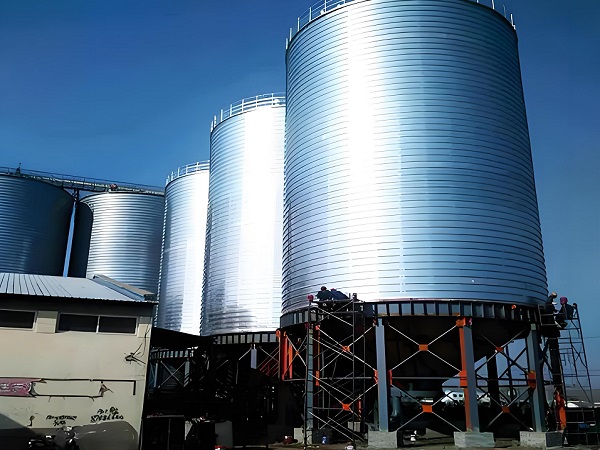
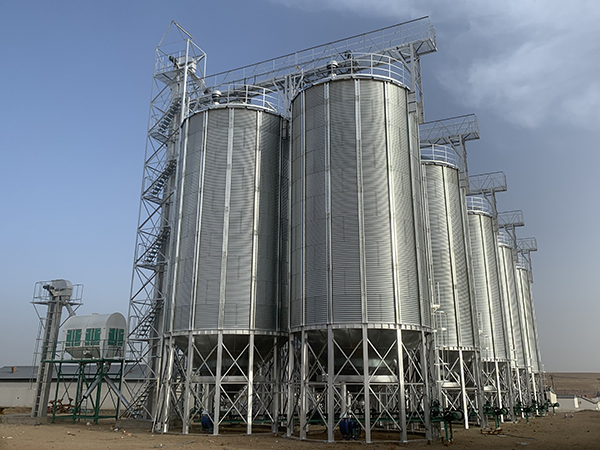
A scientific and reasonable fumigation scheme can not only effectively control the reproduction of pests, but also extend the storage period and reduce quality loss. This article will systematically introduce the fumigation method of soybean meal silo from the aspects of fumigation principle, implementation process, safety control and supervision standards.

Necessity of fumigation
Soybean meal has strong hygroscopicity during storage. Once the ventilation is poor or the temperature and humidity in the warehouse fluctuate frequently, it is very easy to cause the breeding of storage pests, such as rice weevils and grain beetles. Such pests will not only directly destroy soybean meal, but also carry mold, causing mildew to spread, further affecting the nutritional structure and storage stability of soybean meal. Especially in high temperature and high humidity seasons, pests reproduce rapidly, and conventional ventilation measures are often difficult to work. In order to effectively control the spread of pests and ensure the stability of the silo environment, regular fumigation of soybean meal silo has become an important management method to ensure the quality of grain storage and extend the storage period.
Commonly used fumigants and their selection
In the fumigation of soybean meal silo, phosphine (PH₃) is the most commonly used fumigant. It has strong penetration, a wide insecticide spectrum, and little residue. It does not affect the quality of soybean meal while ensuring the insecticide effect. In addition, according to the climate and pest types in different regions, combined fumigants such as aluminum phosphide, magnesium phosphide or combined carbon dioxide gas fumigation can also be used to enhance the fumigation effect.
The selection of fumigants should be based on the following principles:
No obvious pollution or nutritional impact on soybean meal;
Can maintain effective concentration for a long time in a closed environment;
After fumigation, it is easy to ventilate and disperse the gas to ensure the safety of personnel operations;
Comply with the use specifications of local agricultural or food security departments.

Implementation process of soybean meal silo fumigation
Storage silo airtightness inspection
Before fumigation, the airtightness of the soybean meal silo needs to be strictly inspected. Including key locations such as the silo body, discharge port, inlet and outlet ducts, inspection doors, and spiral conveyor systems, whether there are gaps, leakage or damage. A well-sealed environment can ensure the uniform distribution of fumigation gas and improve insecticide efficiency.
Temperature, humidity and insect assessment
Before fumigation, the temperature, relative humidity and insect pest activity should be recorded through the silo sensor system or manual inspection. It is generally recommended to perform fumigation at a temperature above 15°C and a relative humidity not exceeding 75% to ensure that the gas is highly active and has good penetration. At the same time, the fumigation concentration and duration are determined according to the insect density and insect age stage.
Fumigant placement
According to the warehouse content and design structure, the amount of fumigant should be accurately calculated. Put aluminum phosphide or magnesium phosphide tablets into special fumigation bags or release tanks, and evenly release them to each layer of the silo through the feeding port or inspection door. Some automated systems also support remote control of fumigation release to ensure scientific dosage distribution.
Closed fumigation and gas retention period control
After the release is completed, immediately close all entrances and exits, start the silo’s automatic monitoring system, and track the PH₃ concentration in real time. The gas retention period is generally 5 to 7 days, depending on the insect species and environment. During this period, personnel are strictly prohibited from entering the silo.
Ventilation and residual detection
After the fumigation is completed, turn on the forced ventilation system and continue to exhaust for no less than 48 hours until the phosphine concentration in the silo is lower than the national safety standard (generally below 0.3ppm). After the ventilation is completed, professionals should use a special gas detector to review the residual gas, and subsequent operations can only be carried out after confirming safety.
Safety management and operating specifications
Toxic gases are involved in the fumigation process of soybean meal silo. Operators must receive professional training, strictly wear protective equipment, and unrelated personnel are strictly prohibited from approaching. The operation process should be equipped with the following safety control measures:
Set up obvious fumigation warning signs;
A dedicated person should be on duty 24 hours a day during fumigation;
Emergency medicines and breathing equipment should be stored;
Emergency plans should be prepared before fumigation, covering the handling process of emergencies such as poisoning, fire and leakage.
In addition, fumigation operations should be carried out under the supervision of the food authorities or agricultural quality inspection agencies to ensure that the operation process is standardized and controllable, and the relevant records are fully retained with good traceability. This not only helps to improve management transparency, but also provides a strong basis for subsequent quality tracing and risk control.
Green alternatives and future trends
With the continuous improvement of environmental protection standards, some soybean meal silo management units have begun to try to adopt more environmentally friendly fumigation alternative technologies. For example, by injecting inert gases such as nitrogen or carbon dioxide for gas conditioning, pest activity can be effectively suppressed without using traditional chemical agents; at the same time, physical pest control methods such as low-temperature freezing and microwave radiation are gradually being introduced into actual operations. Although this type of technology has relatively high equipment configuration and operating costs, it has significant advantages in reducing chemical residues and improving grain storage safety, which is in line with the development direction of green agriculture and food safety.
Summary
The fumigation method of soybean meal silo must be based on scientific management and standardized operation. By rationally selecting fumigants, accurately controlling the implementation process and concentration time, and strengthening the management of safety measures, pest reproduction can be effectively inhibited to ensure the stability of soybean meal quality during the storage period. In the future, with the advancement of technology and the improvement of environmental protection requirements, green fumigation technology is expected to be more widely used in soybean meal silos management, providing strong guarantees for safe and efficient grain and oil storage.