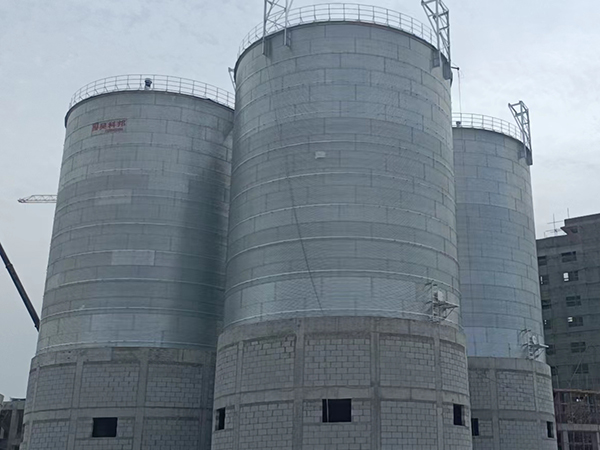
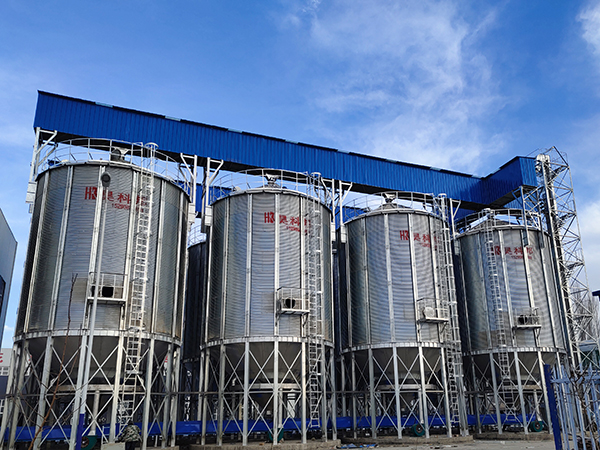
Rice silo: core equipment for modern grain storage
Rice silo are vertical cylindrical storage facilities designed specifically for grain storage, usually made of steel plates or concrete. Compared with traditional granaries, they are more airtight and can effectively isolate pests, moisture and external pollution. With the large-scale development of agriculture, rice silos have become standard equipment for grain depots and processing plants, especially suitable for medium- and long-term storage of large quantities of paddy or refined rice.
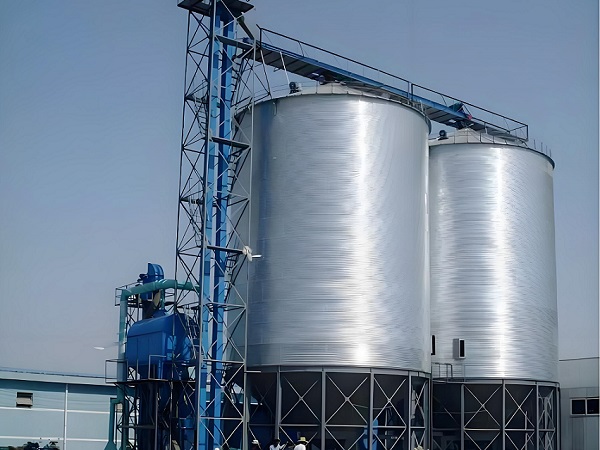
Three core advantages of rice silo
High space utilization
vertical structure saves floor space, single silo capacity can reach hundreds of tons
Significant preservation effect
equipped with temperature and humidity control system, the moisture content of rice can be stabilized below 14%
High degree of mechanization
supports automatic feeding and discharging, reducing the broken rice rate caused by manual handling
Five key indicators for selecting rice silo
Material selection
304 stainless steel silo body is rust-proof, concrete silo is suitable for long-term fixed storage
Capacity matching
We recommend configuring according to 30% of the annual processing volume; for example, selecting 3,000 tons for annual production.
Supporting system
necessary dehumidifier, ventilation device, temperature sensor are indispensable
Inlet and outlet design
the cone bottom angle should be ≥45° to ensure that the rice is completely discharged by gravity
Certification standard
passed ISO9001 and grain Warehousing-specific certification
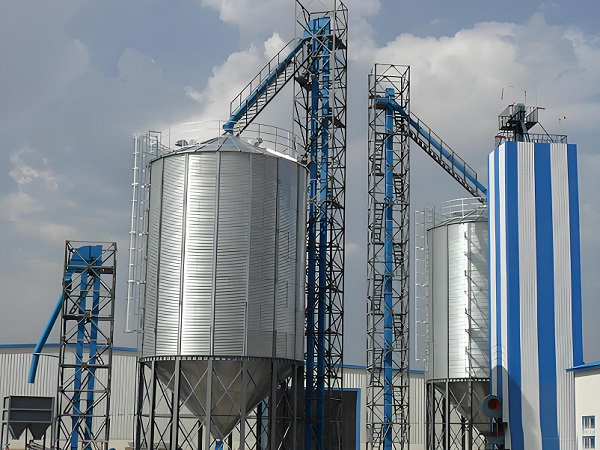
Six golden rules for safe storage
Pretreatment requirements
Screening and removal of impurities before storage to ensure that the impurity content is less than 1%
Environmental control
Keep the temperature less than 20℃ and the relative humidity below 65%
Pest control
Fumigation with phosphine every month, maintaining a concentration of more than 200ppm for 24 hours
Regular inspections
Check the air tightness of the warehouse every week, paying special attention to welds and flange interfaces
First in, first out
Use a batch management system, and the storage cycle of a single warehouse shall not exceed 12 months
Emergency preparation
The equipment uses a carbon dioxide fire extinguishing system and prohibits the use of water-based fire extinguishing agents.
Future trends of intelligent upgrades
The new generation of rice silo is integrating the Internet of Things technology. The grain monitoring cloud platform allows users to view the temperature and humidity curves of each warehouse in real time. Some high-end models have realized remote control of the ventilation system through mobile phone APP. Experts recommend that large grain warehouses upgrade their technology every 5 years to maintain storage competitiveness.