
Many producers may ignore the control of the storage environment, resulting in reduced germination rates of barley or troubled by pests and mold. Therefore, proper storage of barley and ensuring its quality is a key skill that every producer must master.
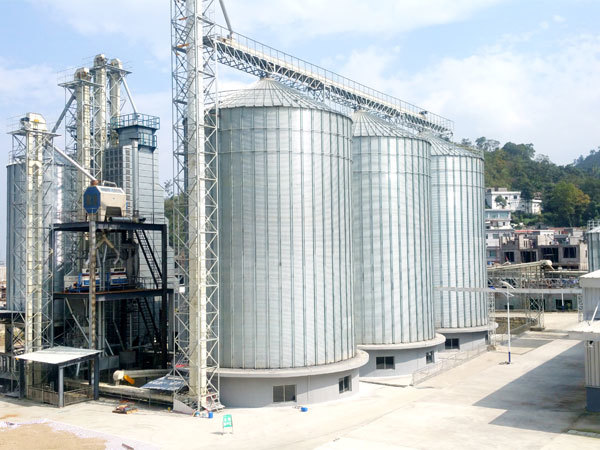
Optimal Environmental Conditions for Barley Storage
The storage quality of barley, especially high-quality barley used for wheat making, has strict requirements on its storage environment. To maintain the best condition of barley, the following key storage conditions must be ensured:
Temperature Control
The storage temperature of barley is best controlled at 10-15℃ (50-59℃). This temperature can not only maintain the quality of barley, but also prevent mold and insects. If the temperature is too high, the barley will easily deteriorate, the germination rate will decrease, and may also attract insects and mold.
Humidity Control
When storing barley, it is most appropriate to keep the moisture at 12%. If the moisture is too high, it is easy to grow mold. If it is too low, it will cause the wheat grains to crack, affecting the germination and malt quality. Therefore, the humidity must be strictly controlled so that the barley can be well preserved.
Ventilation Management
Ventilation is particularly important when storing barley, especially in humid or high-temperature areas. Good ventilation can prevent barley from getting damp and clumping, avoiding mold and pests. If ventilation is not good, moisture accumulation can easily lead to deterioration of the barley. Therefore, you must pay attention to keeping the air in the warehouse circulating so that the barley storage quality can be ensured.
Pest Control
Pests are a headache when storing and transporting barley. If not dealt with in time, the insects will chew on the wheat grains and cause losses. It is recommended to check the grain pile regularly and deal with the insect situation immediately if it is found, such as ventilation and cooling or medication prevention and control. Don’t wait until the insects spread before being in a hurry.

Best Practices for Barley Storage
To ensure barley maintains its vitality and quality during storage, the following are some industry best practices:
Automated Ventilation Control Systems
Ventilation is a key factor in barley storage. Especially when using flat warehouses, since their ventilation effect is not as good as that of steel silos, it is more likely to cause excessive local moisture. Using an automatic ventilation control system based on environmental conditions (EMC) can adjust the temperature and humidity in the warehouse in real time according to climate change, ensuring that the moisture of barley remains at around 12%, and preventing the negative impact of too high or too low on barley.
Carbon Dioxide Monitoring and Pest Control
The insects not only chew on the surface of the barley, but also make the wheat grains lose their ability to germinate. It is especially useful to install a carbon dioxide detector in the grain pile, which can detect insect movements at any time. If the instrument calls the alarm, turn on the fan to cool down or turn over the grain pile to disperse the insect nest. This method is much better than waiting for the wheat to be eaten up before processing, especially suitable for warehouses with a lot of grain storage.
Moisture and Temperature Monitoring
The most fear of moisture and mold in storing barley is that it has to be focused on humidity and temperature. Install a few sensors in the granary and you can see real-time data on the computer. When the humidity is high, the fan will be turned on automatically, and the temperature will exceed the start and cool down, so that the wheat will remain in a golden state of 12% moisture and 12-14℃. In the rainy season or high temperatures, this system is particularly effective and can prevent barley from sprouting or insects, and ensure both appearance and quality.
Strict Inventory Management
When storing barley, you should pay attention to first-in, first-out, and the Chenmai piled underneath moves first. Check the grain pile regularly and find that the wheat is deteriorated and quickly dispose of it. Don’t wait until the entire warehouse is broken before you are anxious. In a warehouse with fast turnover, the wheat is fresh and the selling price is also high.
Cleanliness and Hygiene
The hygiene of grain silos is directly related to the quality of barley, and daily cleaning must be paid attention to. Before each harvest, the warehouse should be thoroughly cleaned to remove aged dust and insect eggs. The grain storage container should be treated with quicklime or special disinfectant. Pay special attention to areas where dirt is prone to hiding dirt and ventilating, and keep it dry and ventilated. This can not only prevent rat pests, but also prevent different batches of barley from odor and spoiling.
Careful Handling and Transportation
Barley must be transported and handled to avoid mechanical damage and breakage. Damaged grain not only loses its ability to germinate but also becomes more susceptible to mold and insect infestation. Gentle handling is essential during barley handling to ensure its integrity.
Intelligent Monitoring Systems: Improving Storage Management Efficiency
Nowadays, all barley storage is made with high technology. The warehouse is full of smart sensors, the fan is turned on automatically when the temperature is high, and the humidity is high immediately to alarm, and even the insect activity can be monitored. Managers can check the grain pile situation at any time by using their mobile phones, and the data is directly transmitted to the cloud, which is much more reliable than old-fashioned manual inspection. Especially in plum rainy days or high temperature seasons, this system can be watched 24 hours a day to prevent the wheat from getting damp and moldy.
Summary
The core points of safely storing barley and maintaining its high quality lies in the effective control of temperature, humidity, ventilation and pests. Through modern automatic ventilation systems, carbon dioxide monitoring, real-time moisture and temperature monitoring, and intelligent inventory management and operation reports, the storage quality of barley can be significantly improved. Only on the basis of strictly controlling these storage conditions can barley maintain a high germination rate, thereby ensuring the smooth progress of the post-milling and brewing process, and providing a solid raw material foundation for the production of high-quality beer and whiskey.
Scientific storage and intelligent monitoring can greatly reduce barley storage losses. This not only saves costs, ensures quality, and makes the products more competitive in the market.


