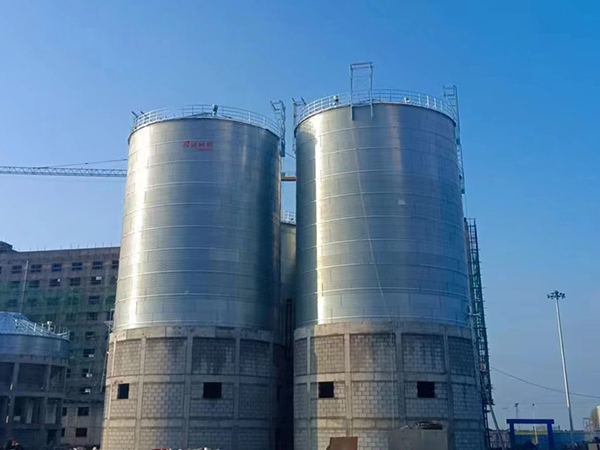
How to Prevent Mold in Stored Maize: Complete Guide for Safe Long-Term Grain Storage
Mold in stored maize is one of the biggest causes of grain loss for farms, grain traders, feed mills, and commercial storage facilities worldwide. In hot and humid regions, especially in Africa and Southeast Asia, poorly stored maize can quickly develop mold, heating problems, insect infestation, and dangerous mycotoxins.
Once mold develops inside maize storage, the losses can be severe:
- Reduced grain quality
- Lower market price
- Feed contamination
- Human and animal health risks
- Increased spoilage losses
- Export rejection risks
The good news is that most maize mold problems can be prevented with proper drying, cleaning, ventilation, and silo management.
At COBAN Machinery, we help customers build complete maize storage systems including grain silos, grain dryers, temperature monitoring systems, aeration systems, dust collection systems, and grain handling equipment for safe long-term storage.
This guide explains the real causes of mold in stored maize and the most effective ways to prevent it.

Why Does Mold Develop in Stored Maize?
Mold grows when maize is stored under conditions with:
- High moisture
- High temperature
- Poor airflow
- Grain impurities
- Insect activity
- Condensation inside silos
The most common storage molds include:
- Aspergillus
- Fusarium
- Penicillium
Some molds produce aflatoxins and mycotoxins, which are extremely dangerous in food and animal feed.
Even small moisture problems inside a silo can create hot spots where mold spreads rapidly.
1. Dry Maize Properly Before Storage
The most important step in preventing mold is reducing grain moisture before storage.
Safe Maize Moisture Levels
| Storage Period | Recommended Moisture Content |
|---|---|
| Short-term storage | 13–14% |
| Long-term storage | 12–13% |
| Tropical/high humidity regions | 11–12% |
Freshly harvested maize is often:
- 18%
- 22%
- 25% moisture or higher
This is unsafe for silo storage.
Why Wet Maize Becomes Moldy
Wet grain creates:
- Internal heat buildup
- Condensation
- Fungal growth
- Grain respiration problems
Even if the surface looks dry, internal moisture migration inside the silo can still cause mold.
Use Grain Dryers for Better Storage Safety
Professional grain drying systems help:
- Reduce moisture quickly
- Maintain grain quality
- Reduce cracking
- Prevent spoilage
COBAN provides:
- Batch grain dryers
- Continuous grain dryers
- Mobile grain dryers
- Maize drying systems
Proper drying is the foundation of safe maize storage.
2. Clean Maize Before Putting It Into the Silo
Dirty maize spoils faster.
Impurities inside grain storage increase:
- Moisture concentration
- Mold development
- Insect infestation
- Airflow blockage
Before storage, maize should be cleaned to remove:
- Dust
- Broken kernels
- Straw
- Chaff
- Fine particles
Why Grain Cleaning Matters
Broken kernels absorb moisture faster and are more vulnerable to fungal attack.
Fine dust also reduces aeration efficiency inside silos.
Professional grain cleaning systems improve:
- Storage life
- Ventilation performance
- Grain quality
- Market value
3. Use Proper Aeration and Ventilation
Aeration is essential for controlling:
- Moisture migration
- Condensation
- Internal heating
- Mold growth
Without airflow, warm air inside the silo rises and creates condensation near the roof and walls.
This moisture eventually falls back onto the maize and creates mold pockets.
Benefits of Aeration Systems
Proper ventilation helps:
- Keep grain temperature stable
- Remove excess moisture
- Reduce condensation
- Improve storage life
COBAN silos can be equipped with:
- Aeration fans
- Ventilation ducts
- Roof exhaust systems
- Automatic airflow controls
4. Monitor Grain Temperature Regularly
Temperature increases are often the first warning sign of mold.
Hot spots inside maize storage can develop because of:
- Moisture concentration
- Insect activity
- Poor airflow
- Wet grain pockets
If not detected early, mold spreads quickly.
Temperature Monitoring Systems Help Prevent Losses
Modern silo systems use:
- Temperature cables
- Multi-point sensors
- Real-time monitoring
- Automatic alarms
This allows operators to detect problems before serious spoilage occurs.
COBAN grain monitoring systems are designed for:
- Large grain silos
- Commercial maize storage
- Feed mills
- Grain reserve projects
5. Prevent Water Leakage Into the Silo
Rainwater entering storage systems is a major cause of mold.
Common leakage points include:
- Roof joints
- Manholes
- Sidewall bolts
- Damaged sealants
- Conveyor connection areas
Important Maintenance Checks
Inspect regularly for:
- Roof damage
- Rust
- Condensation
- Bolt loosening
- Water penetration
Even small leaks can damage thousands of tons of maize over time.
6. Control Insects and Pests
Insects increase grain temperature and moisture.
This accelerates:
- Mold growth
- Grain deterioration
- Mycotoxin formation
Common maize storage pests include:
- Weevils
- Beetles
- Grain borers
Use Proper Fumigation Systems
Professional fumigation systems help:
- Control insects
- Protect grain quality
- Reduce contamination risks
COBAN storage systems can include integrated fumigation channels and sealing systems for safer grain protection.
7. Avoid Overfilling the Silo
Overfilled silos reduce airflow efficiency.
This can create:
- Uneven ventilation
- Heat accumulation
- Moisture pockets
Always maintain proper storage levels according to silo design specifications.
8. Rotate Stored Maize Properly
Long-term storage without movement increases spoilage risk.
For commercial operations:
- Monitor grain condition regularly
- Rotate old grain first
- Avoid storing damaged maize too long
Good inventory management reduces mold risk significantly.
9. Choose the Right Storage Silo Design
Different silo designs affect mold prevention.
Flat Bottom Silos
Best for:
- Large-capacity storage
- Long-term reserve storage
Require:
- Good aeration
- Temperature monitoring
- Regular management
Hopper Bottom Silos
Best for:
- Faster grain turnover
- Easier cleaning
- Reduced residual grain
Often preferred for:
- Feed mills
- Poultry farms
- Seed storage
10. Use a Complete Grain Storage System
Many mold problems happen because buyers focus only on the silo itself.
Safe maize storage requires a complete system including:
- Grain dryers
- Cleaning equipment
- Conveyors
- Aeration systems
- Monitoring systems
- Dust collection systems
- Fumigation systems
Professional system integration improves storage safety and reduces operating costs.
Common Mistakes That Cause Mold in Stored Maize
Storing Grain Too Wet
This is the most common mistake.
Even slightly high moisture can cause serious spoilage.
Ignoring Temperature Changes
Small temperature increases often indicate early spoilage.
Without monitoring, problems may remain hidden until major losses occur.
Poor Ventilation
Lack of airflow creates condensation and moisture migration.
Storing Dirty Grain
Dust and broken kernels increase spoilage risks.
Using Low-Quality Storage Structures
Weak sealing and poor corrosion resistance can allow water penetration and shorten equipment life.
Why Professional Grain Storage Systems Matter
Modern maize storage is no longer just about storing grain in a bin.
Professional systems improve:
- Grain quality
- Storage safety
- Operational efficiency
- Profitability
At COBAN Machinery, we provide complete grain storage solutions from 10 tons to 20,000 tons.
Our systems include:
- Flat bottom silos
- Hopper bottom silos
- Grain dryers
- Conveyors
- Aeration systems
- Temperature monitoring
- Dust collection
- Steel structures
- Feed mill systems
With our own factory in Wen County, Henan, and international sales center in Zhengzhou, COBAN supports customers worldwide with one-stop grain storage solutions and after-sales service.
Final Thoughts
Preventing mold in stored maize depends on controlling four key factors:
- Moisture
- Temperature
- Airflow
- Grain cleanliness
Most maize spoilage problems can be avoided with:
- Proper drying
- Professional storage design
- Aeration systems
- Temperature monitoring
- Regular management
Investing in the right grain storage system protects both grain quality and long-term profitability.
If you are planning a maize storage project, upgrading an existing silo system, or looking for professional grain drying and storage solutions, COBAN can provide customized engineering support for your operation.